
The Trump administration intensifies economic sanctions on Iran with the initiative ‘Operation Economic Outcast.’ This includes threats of significant secondary sanctions against countries maintaining business ties with Iran.
This policy places countries such as India in a challenging position. While New Delhi is a vital U.S. partner in the Indo-Pacific, it possesses commercial and strategic interests in Iran that are crucial. These interests might conflict with the new U.S. policy.
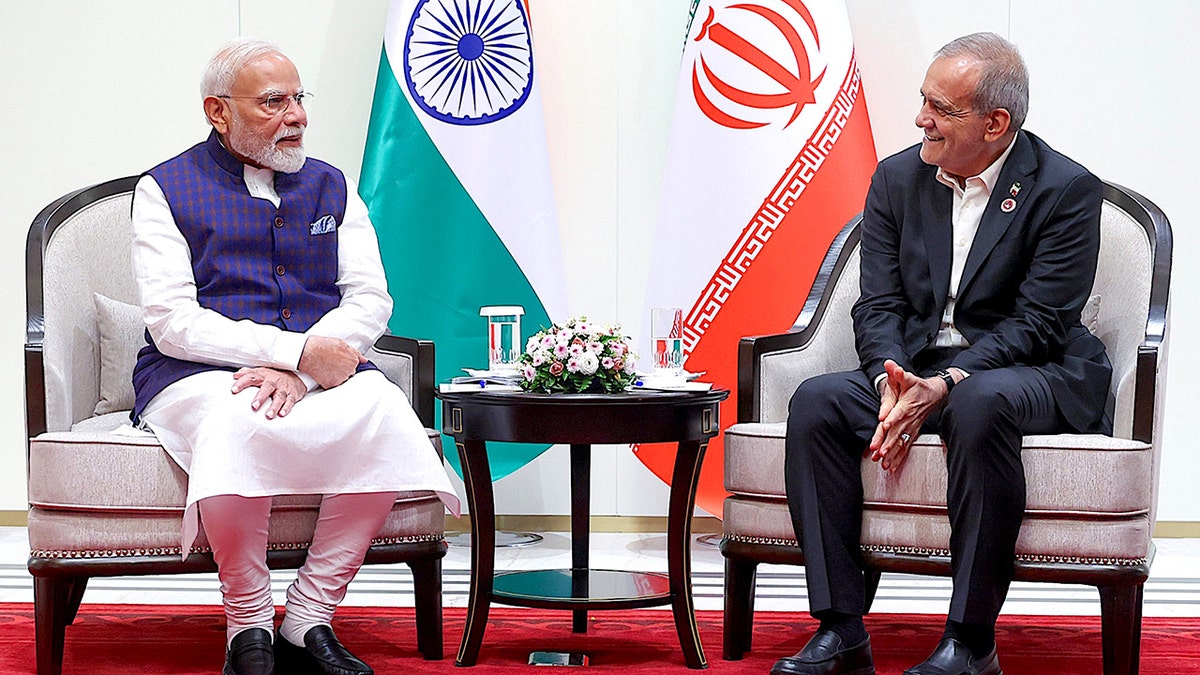
Indian Prime Minister Narendra Modi recently held a bilateral meeting with Iranian President Masoud Pezeshkian during the Shanghai Cooperation Organization (SCO) Summit in Kyrgyzstan. This was their first meeting since a war erupted six months earlier.
During the meeting, Pezeshkian requested Modi to leverage India’s extensive contacts to promote dialogue and mitigate conflict. Modi expressed the desire to enhance and diversify India-Iran trade.
Council on Foreign Relations Senior Fellow Sadanand Dhume highlighted India-Iran relations have diminished due to previous sanctions. There’s no question of India balancing between the U.S. and Iran, according to Dhume.
Secretary of State Marco Rubio, in an interview, maintained the stance that no country should assist Iran in evading sanctions. He emphasized that any country aiding Iran’s efforts to sponsor terrorism or develop nuclear arms will face sanctions.
India ranks among Iran’s top trading partners, but bilateral trade has seen a significant drop since its peak. New Delhi’s exports mainly include goods eligible for humanitarian exemptions, such as pharmaceuticals. India’s rice exports to Iran reached over $383 million in the first six months of the year.
Recently, India resumed importing Iranian crude oil after a seven-year gap when the Trump administration temporarily lifted sanctions. Iranian oil shipments to India valued around $707 million in the first half of the year.
India faced scrutiny, resulting in the U.S. sanctioning four India-based companies tied to Iranian petrochemical trade. The Treasury Department warned about consequences for Iran-related activities and issued timelines for ceasing such activities.
Dubai’s suspension of dealings with Iran affects Indian exporters. As Dubai serves as a critical trade hub, this complicates India’s operations.
India’s strategic interests with Iran extend beyond commerce. The Chabahar port in Iran connects India to Russia and Europe and provides critical access to Central Asia, bypassing Pakistan.
The Middle East conflict significantly raises energy costs for India, the third-largest oil importer, causing inflation. India stands firm against U.S. pressure when core interests are at stake, like its relationship with Russia.
The U.S. must consider the diplomatic risks when pressuring India over Iran ties. Despite recent strains, national security officials highlight the strategic importance of India’s partnership in counterbalancing Chinese power.
While recent tensions test U.S.-India relations, U.S. leverage remains strong, especially in trade. Ultimately, India’s priority will likely be its relationship with the U.S.
Upcoming BRICS summit may influence the dynamics as Chinese President Xi Jinping, Russian President Vladimir Putin, and Iranian President Masoud Pezeshkian are expected to attend.
Analysts argue the impact depends on Washington’s approach to enforcing secondary sanctions. Past successes of quiet diplomacy could guide the U.S. in managing India’s stance.
The Indian government remains silent on requests for comment. The situation continues to evolve as key international players converge at the BRICS summit.