
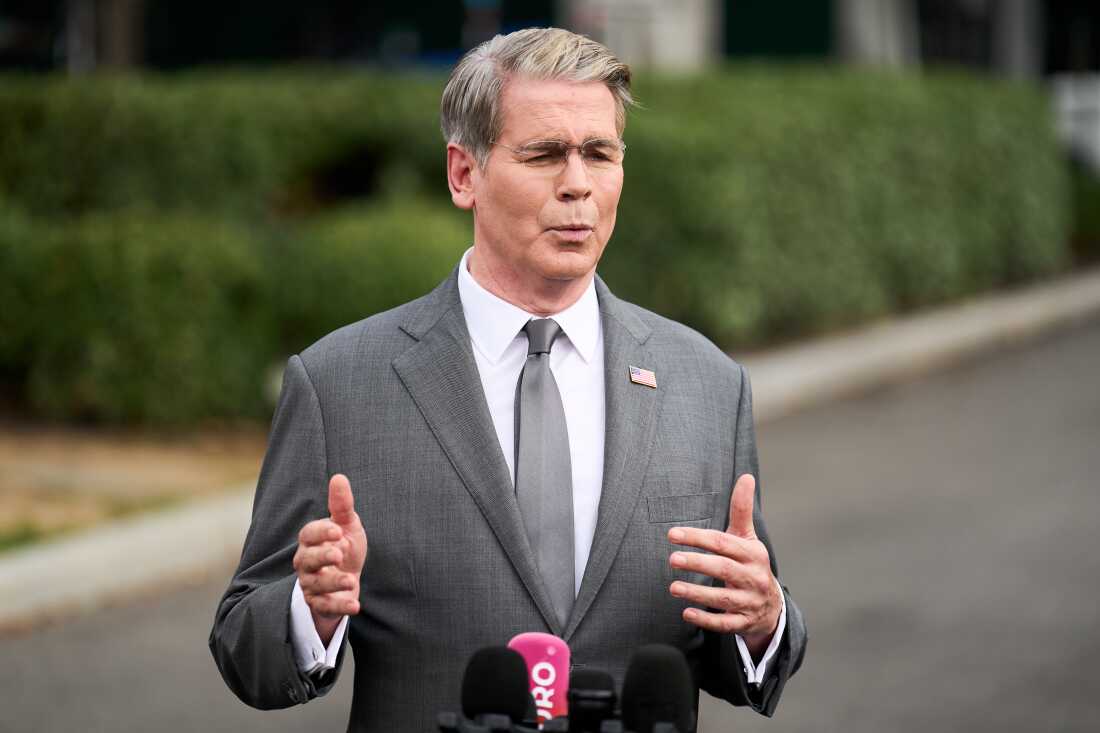
Treasury Secretary Bessent’s Announcement
Treasury Secretary Scott Bessent, speaking outside the White House, has detailed plans to introduce a substantial new series of economic sanctions on Iran. President Trump described this initiative as an ‘economic D-Day,’ signaling a strategic push against states that facilitate financial activities with Tehran. As a result, Iran’s currency, the Rial, has sharply devalued, reaching unprecedented lows.
Scope and History of U.S. Sanctions on Iran
The United States has long imposed sanctions on Iran, with some measures dating back nearly half a century. In recent months, additional penalties have targeted entities circumventing existing restrictions. A naval blockade has also significantly restricted Iran’s access to global goods. The latest approach by President Trump and Secretary Bessent emphasizes targeting not only businesses but also the countries and administrations sustaining Iran’s economy.
Focus on Countries Supporting Iran
In a Financial Times editorial, Bessent urged nations with ongoing trade relations with Iran, like China, to reconsider these interactions, citing pervasive consequences. China, a major oil customer for Iran historically purchasing about 90% of Iran’s oil, faces criticism from Bessent. Experts, however, express skepticism regarding the efficacy of new sanctions. Alan Eyre, a former U.S. diplomat involved in Iran’s nuclear negotiations, noted that the U.S. has already utilized extensive measures and questioned what new sanctions might achieve.
Iran’s Anticipated Retaliation
Iran’s security chief, Mohsen Rezaei, promises substantial retaliation against Trump’s policies. He categorized allies of these new sanctions as adversaries, particularly targeting Gulf states. Previous military responses from Iran included attacks on U.S. bases in Jordan and Gulf countries, resulting in casualties. Rezaei cautioned that oil traffic through strategic routes like the Strait of Hormuz could be heavily disrupted, threatening energy exports.
Impact on Ordinary Iranians
Years of sanctions have inflicted severe economic hardships on Iranian citizens. The already strained economy faces intensified challenges following the U.S. and Israel’s forceful actions against Iran since February, sharply increasing inflation rates and currency woes. An Iranian woman shared her experiences with NPR, highlighting struggles with basic expenses and medical costs. She described reliance on credit due to cash shortages and the difficulty in affording essential goods.
The economic turmoil, alongside a high cost of living, has fueled public demonstrations in Iran. Protests earlier in the year led to stringent government responses, evidencing rising discontent among the population.