
The United States government is preparing to revoke the B1 and B2 visas of up to 200,000 foreigners who have applied for or are seeking asylum. These visas are typically issued for business trips and tourism, respectively. This decision is part of an ongoing effort by the State Department to manage immigration concerns.
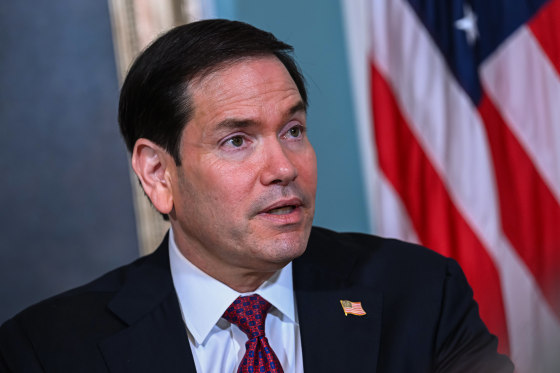
Secretary of State Marco Rubio is expected to announce the move, impacting visas issued between 2016 and 2026. The State Department documents and confirmations from two U.S. officials suggest coordination with the Department of Homeland Security. This plan, potentially the largest mass visa revocation in U.S. history, could face legal challenges.
State Department spokesman Tommy Pigott stated, “We are coordinating with DHS to identify and revoke the nonimmigrant visas of foreigners who have claimed to be short-term visitors but filed for asylum.” He highlighted that the number of revocations is not yet final and will occur gradually.
Revocation does not equate to immediate deportation. Most affected individuals would lose their business or tourism status but remain in pending asylum processes. These plans align with ongoing immigration restrictions since President Donald Trump’s re-election.
In a social media statement, Deputy Secretary Christopher Landau criticized those using tourist and business visas to enter the U.S. and then apply for asylum. “People in the U.S. and worldwide are fed up with bogus asylum claims,” he wrote.
The State Department began screening visa holders following asylum information from the Citizen and Immigration Service. Current B1 and B2 visa applicants must affirm they will not seek asylum and demonstrate intent to return home.
Over the past 18 months, around 175,000 visas have been revoked due to crimes or opposition to U.S. policies, particularly in the Middle East. Furthermore, the administration is addressing “birth tourism” concerns, seeking to end birthright citizenship despite previous court rejections, including those from the Supreme Court.