
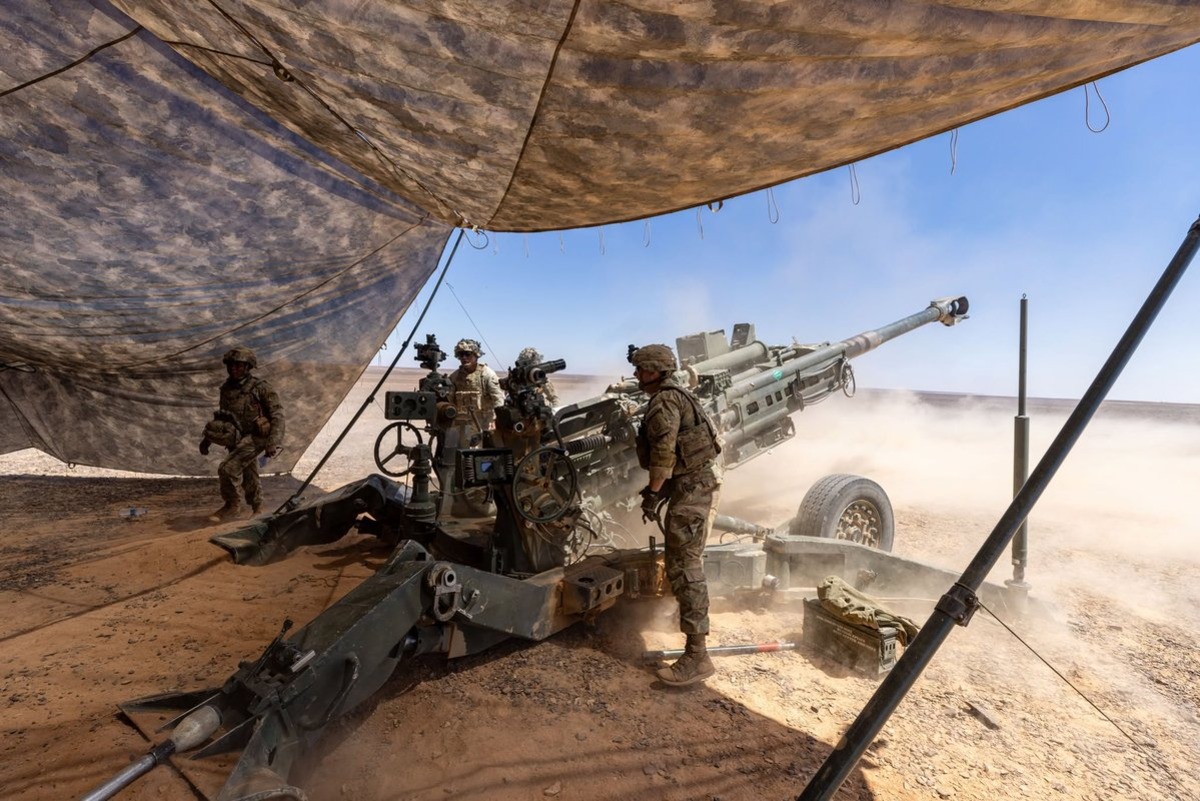
U.S. forces in the Middle East have a long history of developing innovative strategies, according to Captain Timothy Hawkins, a spokesperson for U.S. Central Command (CENTCOM), which oversees American troops in the region. Admiral Brad Cooper, the top commander at CENTCOM, encourages suggestions from all ranks. Currently, the U.S. military is gathering proposals on how to handle the ongoing conflict with Iran, which has persisted for six months.
We are looking for new creative and unconventional ways to pressure and punish Iran,
stated an intelligence officer working for CENTCOM, as reported by CNN. The network cited this message, sent on July 29, though details about the sender and recipients remain unspecified, and Newsweek could not independently verify the information.
Some observers interpret this as an indication that the U.S. military entered a major conflict without a comprehensive plan for a quick victory or an exit strategy. Others view it as routine, resembling communications typically circulated among commanders in various U.S. military branches.
Potential Strategies Under Exploration
The specific types of responses being sought are unclear. CENTCOM, beyond Hawkins’ statement, did not elaborate or confirm the message cited by CNN. As the war continues and costs rise, CENTCOM might be hoping for a strategy akin to Ukraine’s successful use of drones against Russia. Jim Townsend, a former Pentagon official, suggested that the request sought creative tactics similar to those used by Ukraine.
In recent months, Ukraine has targeted Russian infrastructure beyond military sites, including warehouses and oil refineries. These actions aim to demonstrate the war’s impact to ordinary Russians and strengthen Kyiv’s position in potential peace negotiations.
In the Middle East, despite the U.S.’s military and economic pressure on Iran, Tehran maintains a stronghold on the Strait of Hormuz, obstructing free passage for shipping. U.S. officials doubt that increased bombing alone will affect Tehran, and President Donald Trump stated he paused an extensive attack plan to allow for discussions, although Iran has refuted any negotiations with the U.S., opting instead for conversations with Oman.
Unusual Communication Request
The context of the message reported by CNN remains unclear, making it difficult to gauge its significance. Active-duty personnel often publish articles in media or academic journals, suggesting new strategies, including the use of drones or enhancing air defense systems. The U.S. military also conducts contests and challenges to inspire innovative strategies from both military personnel and civilians.
In past Middle Eastern conflicts, the intelligence community and the Pentagon developed and proposed action plans to the National Security Council, which were then reviewed by the president, according to Townsend.
Despite the message’s strong wording, one military official told Newsweek it is challenging to determine its intentions. Intelligence officers typically assess vulnerabilities and advise commanders on available options. Some criticized the request, suggesting it lacked a plan, as Townsend remarked.
While soliciting suggestions from across the military isn’t unusual, the written approach is notably odd. Several officials indicated that brainstorming typically occurs in classified settings, not through emails. A European defense official described the email request as unusual as f***, to be precise.
Mark Cancian, a retired U.S. Marine Corps colonel, told Newsweek that similar suggestions have arisen in past conflicts like the Iraq War, though not following formal requests.