
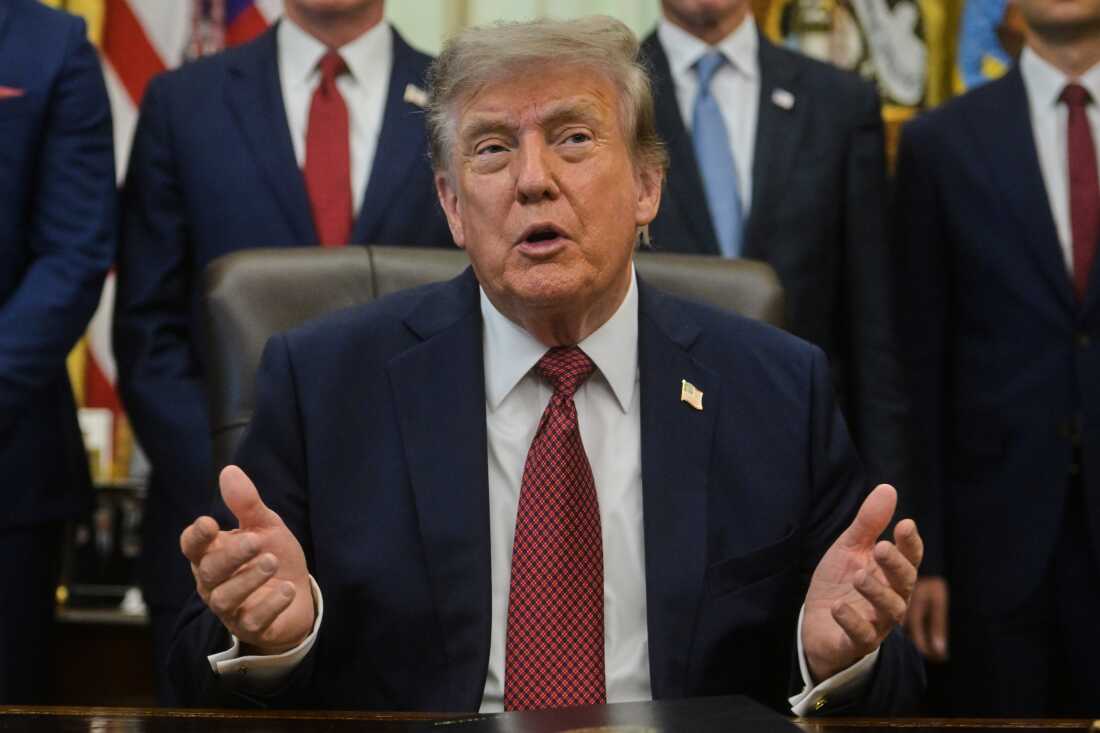
President Donald Trump addressed the situation in the Oval Office, noting the U.S. military’s decision to pause airstrikes on Iran. This decision follows nearly two weeks of intense bombing and a push from diplomatic efforts to avoid further escalation towards all-out war. The conflict is approaching its fifth month, causing uncertainty about the future.
Throughout this period, President Trump has both issued threats of additional strikes and maintained ongoing talks, despite concerns about rising gas prices possibly impacting upcoming midterm elections. A factor adding uncertainty is Israeli Prime Minister Benjamin Netanyahu’s planned visit to Washington. Although Israel initiated the conflict alongside the U.S. earlier this year, it has not rejoined the recent American actions against Iran.
Michael Singh, managing director at the Washington Institute for Near East Policy, commented on the situation. He noted the possibility of Israel entering the conflict could worsen conditions for Iran. However, Israel’s absence could indicate a strategic choice to limit conflict. Singh advises caution in interpreting the pause in hostilities.
Diplomatic Efforts Progress
A regional official involved in mediation reported significant diplomatic activity. They explained that the pause in U.S. and Iranian military actions sends a positive signal towards de-escalation efforts. The current focus is negotiating a compromise related to vessel transit through the Strait of Hormuz, a crucial oil shipping lane blocked by Iran’s military actions.
Iran’s Foreign Ministry spokesperson, Esmail Baghaei, confirmed progress in technical discussions with Oman. Despite tensions in the Persian Gulf, there have been signs of advancement in these talks, with both parties seeking to return to an interim ceasefire agreement.
Iran’s earlier aggressive actions in the waterway have contributed to soaring oil prices, creating unpopularity and political pressure in the U.S. following the ceasefire in June. Iran’s control demands and the U.S. oversight in the Strait have led to renewed conflict and subsequent strategic military responses, extending beyond Iranian coastal defenses.
Challenges and Strategic Considerations
Singh highlighted the complexities within Iran’s leadership, suggesting internal divisions could affect negotiations. Concerns about appearing weak may hinder their willingness to compromise.
Ultimately, economic motivations drive both nations to seek a resolution regarding the strait. Navigating differences about control and conditions remains a challenge that must be addressed for a lasting peace.
President Trump Balances Threats and Diplomacy
While a pause in combat offers some relief, regional tensions remain high. Meanwhile, Yemen’s Houthi rebels have targeted Saudi Arabia in retaliation for airstrikes, exacerbating conflicts involving strategic shipping routes like the Bab el-Mandeb Strait.
The U.S. Navy disabled a vessel in the Gulf of Oman, enforcing a naval blockade on Iranian ports. Despite ongoing diplomatic efforts, Trump has maintained military threats against Iran while highlighting negotiation possibilities.
During a recent press briefing, Trump mentioned that the U.S. could continue its strategy or negotiate with Iran. He acknowledged the possibility of heightened military actions if necessary. Although ongoing diplomatic advances suggest progress, Trump insisted that the election cycle does not pressure him to expedite decisions, asserting priority on resolving matters correctly.