
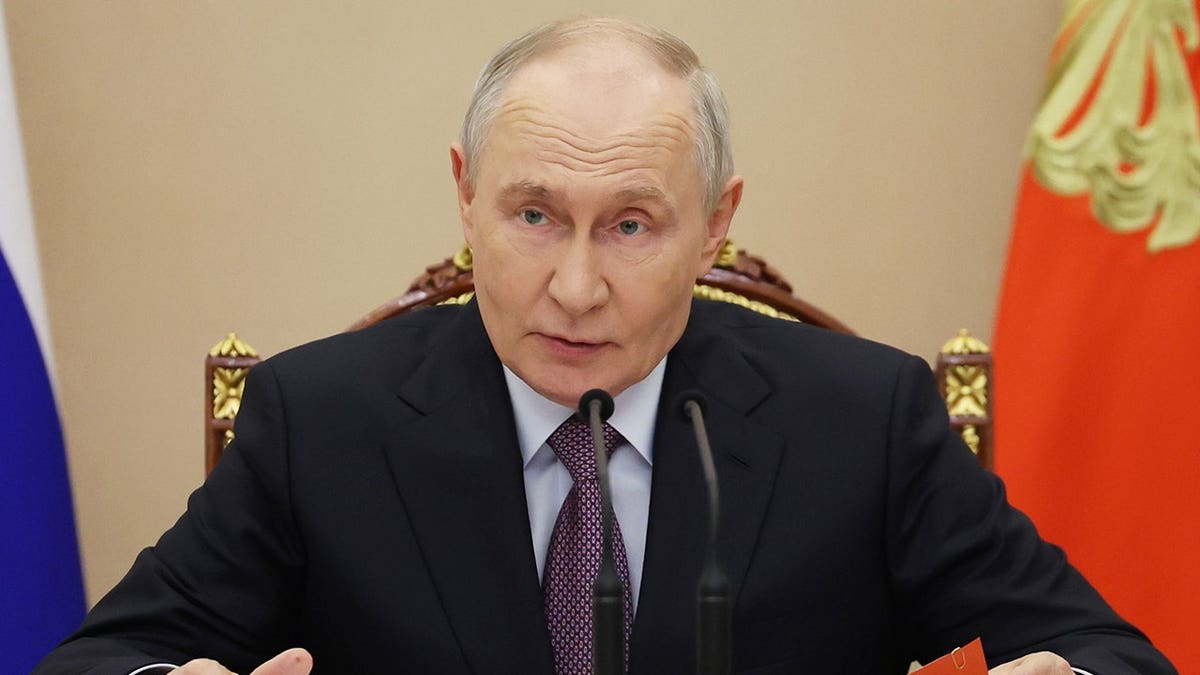
Russian President Vladimir Putin might attack a NATO member in the coming years. U.S. intelligence suggests this move aims to challenge the post-World War II alliance and Article 5.
Earlier assessments doubted Putin would target NATO during the Ukraine conflict. However, recent gains by Ukraine have shifted his strategy. Signs of testing NATO’s resolve have increased, highlighted by recent incidents.
In May, a drone hit a Romanian apartment. Poland faced cruise missile strikes last month. Both are NATO nations. These actions raise concerns about potential attacks focused on the Baltics or Poland, predicted to occur between this fall and 2029.
Heather Conley, from the American Enterprise Institute, notes the ambiguity of the U.S. response to such provocations. Putin’s strategy seems to aim at undermining NATO’s credibility and severing U.S. ties with its allies.
“The question mark is how the United States would respond in that case,” said Heather Conley.
Meanwhile, allegations of depleted U.S. munitions are countered by Pentagon spokesperson Sean Parnell. He assures that the U.S. maintains a strong arsenal. Any adversary misjudging the U.S. will learn otherwise.
Concerns about land incursions, deemed unlikely due to Article 5, contrast with uncertainties about NATO’s response to cyberattacks. Russia’s probing of NATO’s defenses with a shadow fleet further complicates the response dynamics.
“This has always been NATO’s challenge to respond to a sub-Article Five attack,” explains Conley.
NATO, according to spokesman Col. Martin O’Donnell, remains vigilant. It prepares for various scenarios to deter and defend.
Brie Stimson, a reporter from Los Angeles, provided these insights.