
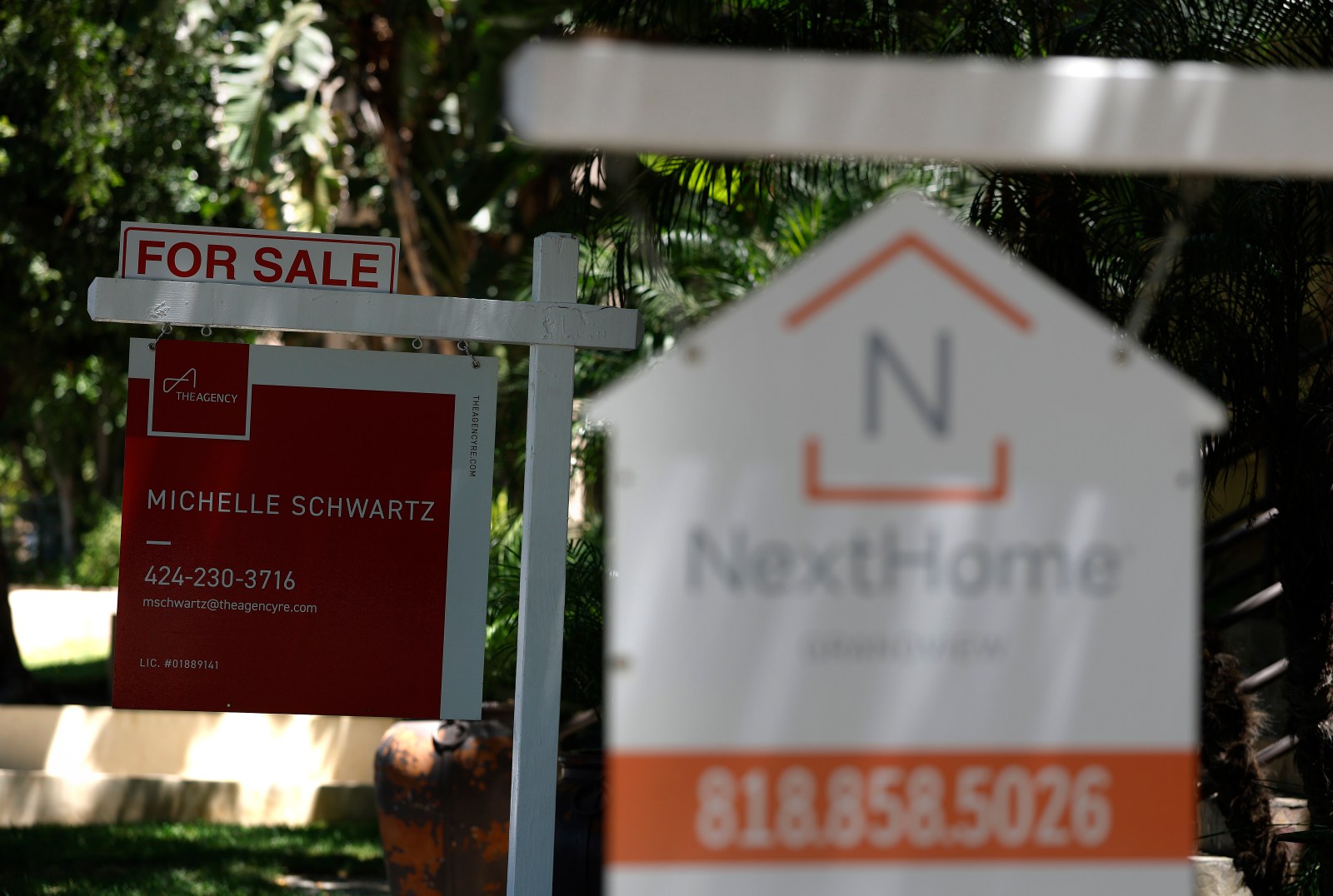
The U.S. housing market experienced a significant decline in September due to rapidly increasing mortgage rates. This situation poses an affordability challenge for President Donald Trump and Republicans in the lead-up to the midterm elections.
Market Decline
According to the National Association of Realtors, pending home sales, which reflect contracts signed to purchase existing homes, dropped 7.3% from August and 11.3% from the previous year. This decrease coincided with a sharp rise in mortgage rates, beginning September around 6.8% and reaching 7.6% by the end of the month, as reported by Mortgage News Daily.
“Higher rates will definitely slow the housing market and force those with much lower rates to stay put,” said Kevin Thompson, CEO of 9i Capital Group.
The Impact of Rising Costs
Affordability is a critical concern for voters in the upcoming midterm elections. Housing costs are a vital issue for younger voters, and the economy remains a primary concern for registered voters. Although home prices have not necessarily increased, higher mortgage rates have altered affordability.
In September, the median price for existing homes reached $417,500, marking a 1.3% rise from the previous year and the highest recorded September price.
Political Implications
President Trump campaigned on reducing household expenses, including borrowing costs, promising mortgage rates as low as 2%. Instead, rates have risen. Freddie Mac reported a 30-year mortgage average of 7.40% in early October, the highest since November 2023.
“Affordability is the name of the game, and if it continues to worsen, there will be a decline in approval ratings for the president,” Thompson noted.
Homebuilder Sentiment and Market Conditions
Homebuilder sentiment has been negatively impacted. The National Association of Home Builders’ (NAHB) recent report recorded its lowest level in 14 years. Current sales, expected sales, and buyer traffic have all decreased.
“Demand persists, but higher rates, elevated construction costs, and weak consumer confidence keep buyers on the sidelines,” said NAHB’s chief economist Robert Dietz.
Existing Home Sales and Inventory
Despite some improvement in existing-home sales by 1.5% in September, sales were still 2.2% lower than the previous year. The housing inventory increased by 1.9%, reaching its highest level since November 2019.
Economists do not primarily attribute the weak housing market to a shortage of listings, given the recent rise in inventory.
Price Adjustments
Buyers are gaining some leverage as sellers reduce prices. Realtor.com noted that 20.8% of listings experienced price cuts in September. Meanwhile, active listings increased by 5.5% to over 1.16 million homes.
Voter Concerns
As Americans prepare for the November 3 midterms, affordability remains a central issue. A Pew Research Center survey found that 84% of registered voters viewed the economy as very important to their vote.
Factors Behind Rising Mortgage Rates
Mortgage rates are influenced by complex factors, beyond the Federal Reserve’s benchmark interest rate. Long-term borrowing costs in the bond market, geopolitical issues, and monetary policy fluctuations play significant roles.
Reuters reported the average 30-year mortgage rate reached 7.40% in early October as inflation climbed. The Consumer Price Index increased by 3.7% from the previous year.
Future Outlook
Experts suggest the housing market may weaken further. Recent sales figures do not fully reflect October’s higher mortgage rates. Without lower rates or significant price drops, many potential homeowners will find rates unaffordable.
For Trump and Republicans, the timing is crucial.