
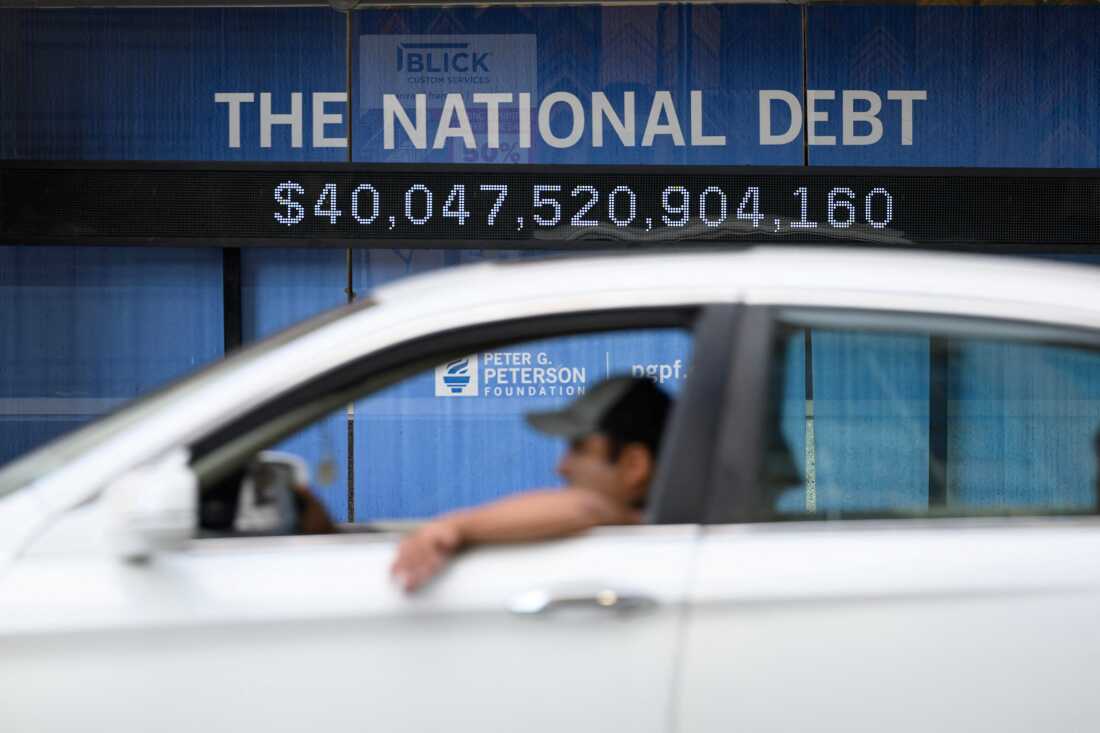
The U.S. federal debt has exceeded $40 trillion for the first time. Investors who purchase government bonds now demand higher interest rates to fund this growing burden.
Government’s Escalating Financial Commitment
The Treasury Department recently reported that the federal debt reached this unprecedented figure. The annual interest alone now surpasses $1 trillion, ranking it as the government’s second-largest expense next to Social Security.
Understanding the Debt’s Growth
The government has been spending more than it collects in taxes for years. Political decisions such as wars, tax reductions, and pandemic relief have driven this. An aging population also contributes, with increased expenses for Social Security and Medicare. Historically, debt rose during recessions and stabilized during growth periods. However, significant deficits continue even with economic expansion. The debt has doubled since 2017. Lenders now require higher interest rates.
Impact on Individuals
The federal debt influences all Americans, as it restricts the government’s ability to focus on other priorities. It also directly impacts some by raising borrowing costs. Michael Peterson, CEO of the Peter G. Peterson Foundation, notes that increasing government borrowing raises Treasury yields, which, in turn, increases rates for mortgages, car loans, and credit cards. Mortgage rates, linked with 10-year Treasury yields, have approached 6.7% as reported by Freddie Mac.
Efforts in Washington
The Treasury Department has worked to limit long-term bond yield increases. Yields momentarily decreased after Treasury Secretary Scott Bessent stated plans to bolster the bond buy-back program. However, this didn’t address the core issue. Yields rebounded shortly. Previously, the Treasury supported the Japanese yen to prevent Japan from selling U.S. Treasurys, which would elevate yields further.
Ultimately, Congress must decide to raise taxes, cut spending, or potentially do both. Previously prominent deficit hawks are less common, yet market pressures may prompt change.
“$40 trillion should be a wake-up call,” stated Carolyn Bordeaux, executive director of the Concord Coalition. “Both parties have contributed to our current situation and must take action to rectify it.”