
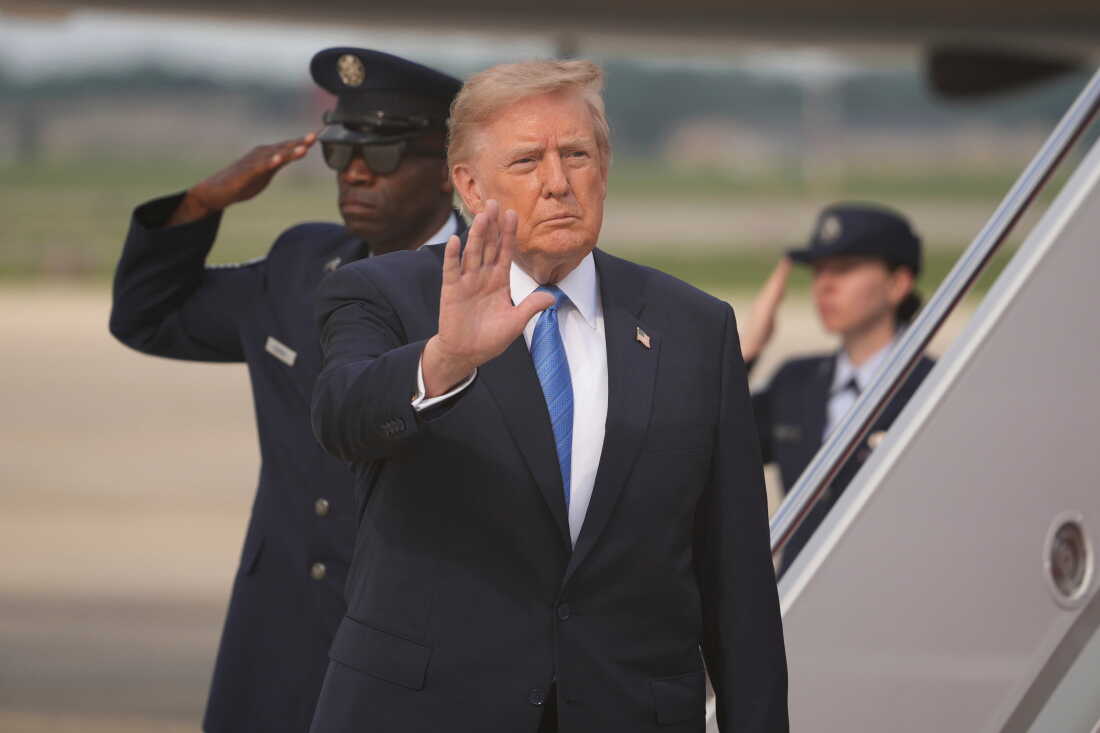
President Donald Trump announced a significant agreement with Venezuela on Friday. If successful, this deal could provide the U.S. with access to Venezuela’s vast untapped oil reserves at cost. Trump revealed this through social media, crediting Secretary of State Marco Rubio and Defense Secretary Pete Hegseth for negotiating the agreement with Venezuela’s acting President Delcy Rodríguez.
Details of the Agreement
Rodríguez’s administration stated that the deal involves developing 17 oil fields with proven reserves of 65 billion barrels. The agreement could bring in $100 billion in investment and generate over $209 billion in taxes for Venezuela. Rodríguez expressed optimism, suggesting the deal could significantly impact the nation’s economic revival.
The agreement permits the U.S. to collaborate with a private operator in Venezuela to form a new company to manage the reserves. An anonymous U.S. official mentioned Rodríguez granted this entity 100-year development rights. The U.S. would receive 55% of the company’s effective output, including an ownership stake and the right to purchase oil at cost. This new company could become the second-largest holder of proven reserves after Saudi Aramco.
Political Context and Challenges
The announcement follows the U.S. military operation that removed Venezuela’s former President Nicolás Maduro. President Trump is under pressure to lower U.S. oil prices as conflicts in Iran have tightened global supply, leading to higher gas prices. The average gas price in the U.S. has risen to $4.09 a gallon, compared to $3.21 the previous year.
Experts warn that an immediate drop in U.S. gas prices is unlikely. Increasing Venezuelan oil production will require years of infrastructure repairs and investment. American oil companies express caution over returning to Venezuela due to political instability and infrastructure challenges. Despite Trump’s call to action, oil executives like Darren Woods of ExxonMobil describe Venezuela as currently “un-investable.”
Rodríguez, soon after taking office, enacted a law allowing for oil sector privatization, reversing a policy that nationalized foreign-owned assets in the past. Rubio indicated the agreement could bring substantial private investment to Venezuela and reduce U.S. gas prices.
Venezuela holds substantial oil reserves, approximately 303 billion barrels or 17% of global supply. However, due to degraded infrastructure, it only contributes around 1% of global oil production.