
The United Nations has addressed its financial challenges by ceasing refunds to member states, whether or not they have contributed to the organization’s budget. Traditionally, the U.N. refunded unspent funds to prevent financial bloat at its headquarters in New York, but recent times have shown this system’s inadequacy. Refunds were being given to countries that either delayed payments or did not contribute at all.
The non-payment from the U.S., which is the largest contributor at 22 percent, has exacerbated the U.N.’s fiscal issues. Additionally, China owes around $400 million, as reported by the Wall Street Journal. Secretary-General António Guterres had warned about the body nearing bankruptcy.
“Kafkaesque financial rule of reimbursing funds never received” — Annalena Baerbock, General Assembly President
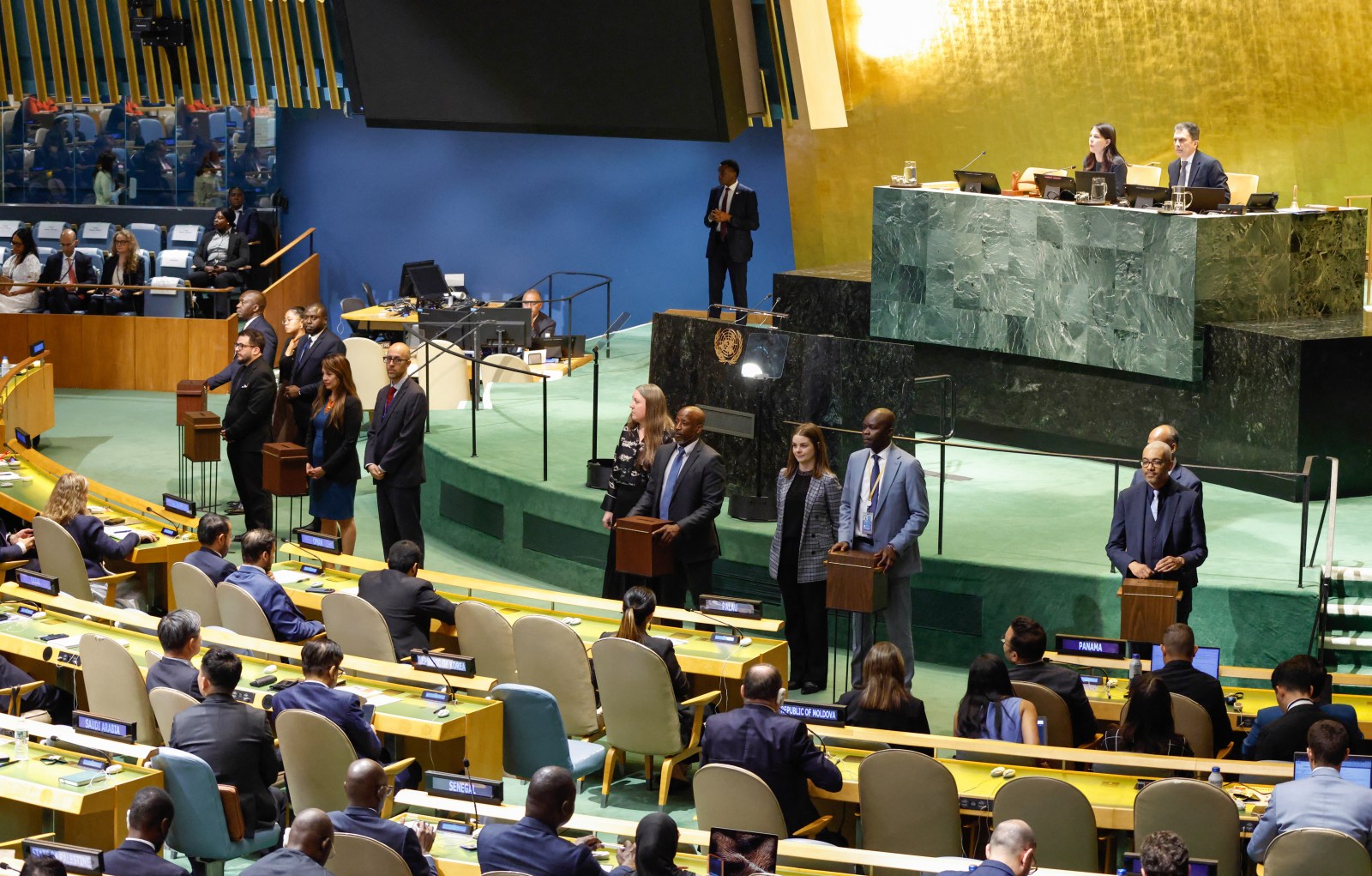
The General Assembly voted to reform this budget rule. Annalena Baerbock, President of the General Assembly, informed the European Parliament of the financial rule causing an existential liquidity crisis. After the resolution’s passage, Baerbock stated that they had averted the looming financial collapse of the U.N.
Annual U.N. dues are determined by a member country’s GDP. Former President Donald Trump expressed dissatisfaction with the U.N., pulling the U.S. from several agencies like the Population Fund and cutting peacekeeping operation payments. The U.S. accounts for roughly 95 percent of unpaid dues, approximately $2.2 billion, based on information from The New York Times.
The U.N. closed the year 2025 with $1.6 billion in unpaid assessments. Arrears across budget, peacekeeping, and tribunals totaled over $6.5 billion. In January, the U.N. warned of potential closures if countries, especially the U.S., did not settle dues.
The previous month, the General Assembly approved a $3.45 billion budget for peace, sustainable development, and human rights. Guterres applauded the rule change, emphasizing its importance for resource management in regular and peacekeeping budgets.