
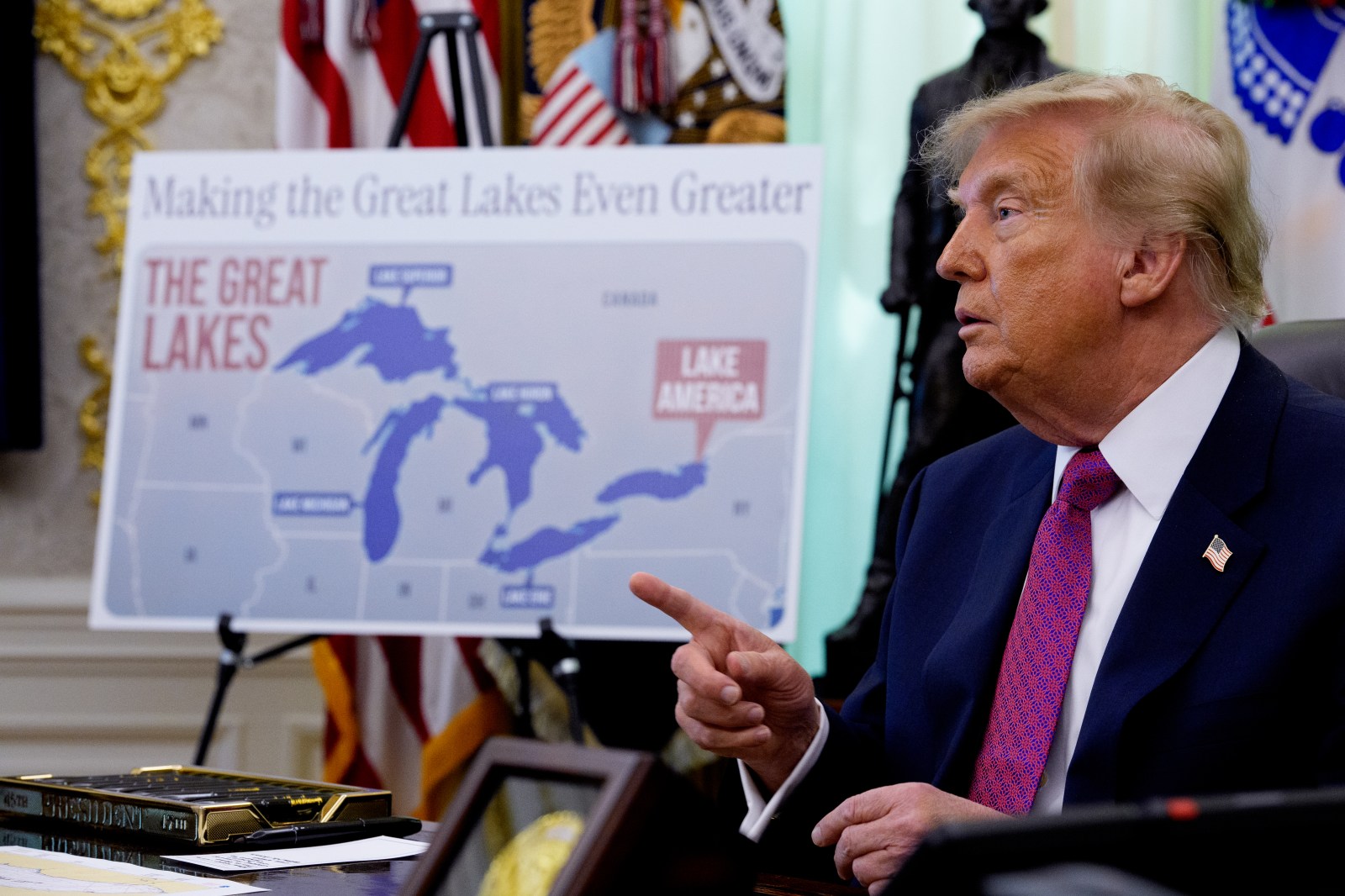
President Donald Trump has sparked renewed debate over presidential power in altering geographic names with his decision to rename Lake Ontario as ‘Lake America.’ His executive order on August 27 directs federal agencies to adopt the new name, impacting U.S. records but exempting Canada and international bodies from compliance.
Executive Orders and Geographic Names
Trump’s order instructs Interior Secretary Doug Burgum to update the Geographic Names Information System, the federal database for consistent place naming across U.S. government departments. Though U.S.-centric, the decision does not obligate Canadian or global organizations to implement changes.
This approach follows Trump’s previous order to rename the Gulf of Mexico ‘Gulf of America’ in official documents. During subsequent remarks, Trump humorously mentioned potential future renaming of the Atlantic and Pacific Oceans.
Renaming Oceans: Symbolism and Limitations
A president can direct federal agencies to adopt new names for oceans in governmental records. The U.S. Board on Geographic Names facilitates uniform nomenclature across federal documents. However, ocean renaming holds symbolic significance globally, as no nation possesses ownership over these vast waters.
International law provides coastal nations sovereignty within territorial waters extending up to 12 nautical miles offshore and economic rights within Exclusive Economic Zones reaching 200 nautical miles. Beyond these, international waters belong to the global community, making unilateral name changes largely symbolic on the world stage.
Implications of Renaming Lake Ontario
Trump’s order to label Lake Ontario ‘Lake America’ followed tensions in trade discussions with Canada. While suggesting no direct message, the renaming mirrors efforts to reshape federal naming practices through executive authority.
The lake spans the U.S.-Canada border, emphasizing limitations of presidential naming power. U.S. entities may utilize new names, but Canada and foreign institutions remain detached from adoption requirements. Presidential power affects federal references but does not redefine global recognition.
Gulf of Mexico and Sovereignty
Trump’s previous executive order modifying the Gulf of Mexico’s name triggered discussions about jurisdiction and ownership. Although labeled ‘Gulf of America’ in federal contexts, adjacent countries’ sovereignty remains unchanged.
No alteration in maritime claims occurred, and the National Oceanic and Atmospheric Administration adjusted references, constrained by legislative preclusions. These scenarios highlight the divide between naming authority and governing jurisdiction.
Ocean renaming would likely parallel past endeavors, with impacts restricted to U.S. nomenclature. Federal naming modifications are complex when addressing globally accepted geographic features, given shared ownership among nations.
Trump’s power is limited in extending naming conventions internationally. Federal changes influence domestic terminology, yet worldwide adoption is uncertain.