
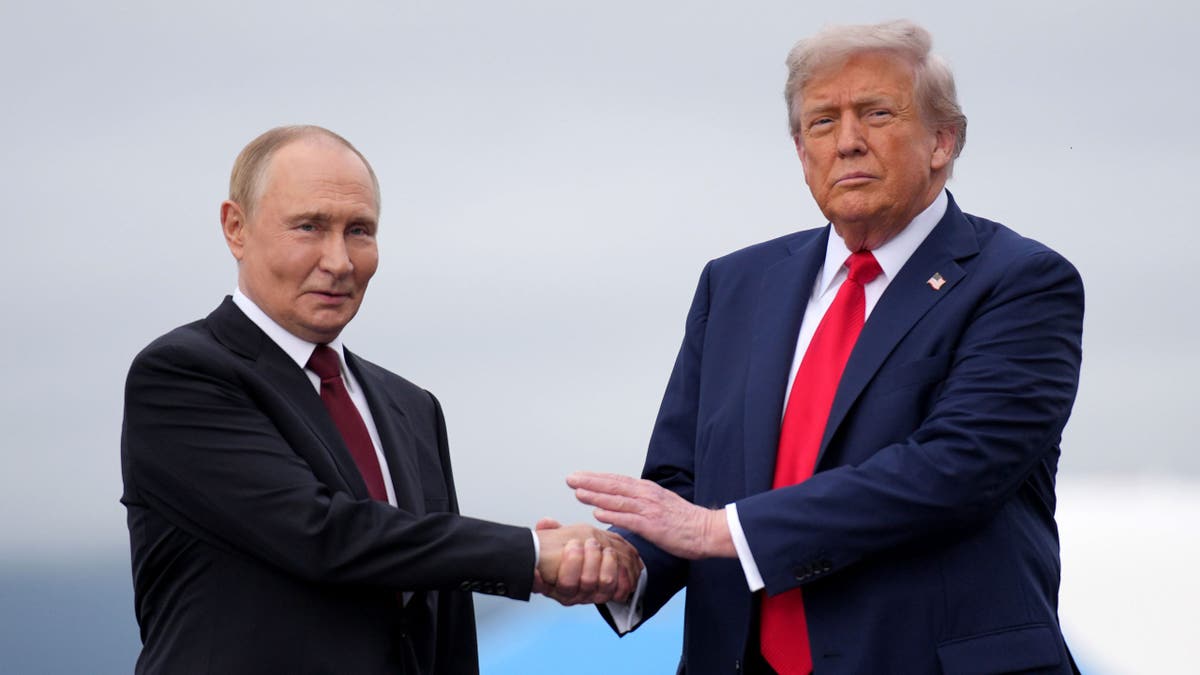
President Donald Trump has taken a strategic step to ease economic pressure on Russia, hoping to bring Vladimir Putin closer to a peace agreement. The move involves temporarily easing restrictions on Russian diesel imports, a decision that has sparked opposition from both Republicans and Democrats.
Economic Pressure and Diplomatic Incentives
The Trump administration argues that allowing Russian diesel to re-enter global markets could help lower prices for American consumers. The aim is also to demonstrate the economic advantages Russia could enjoy through improved relations with the United States. Trump has defended the agreement, emphasizing that it is meant to boost supply in a global diesel market challenged by high prices.
Energy analysts remain doubtful about the potential impact of these volumes on prices. Meanwhile, Russia continues attacking Ukrainian energy infrastructure even after Trump announced an energy ceasefire.
Political Resistance and Sanctions Legislation
A bipartisan group of senators and representatives have urged the President to revoke the diesel deal. Resistance resurfaces as Washington approaches the deadline to implement a new sanctions law designed to intensify economic pressure on Russia.
The White House insists the diesel agreement serves two purposes: increasing supply in global fuel markets and showing Moscow the benefits of improved relations. Yet, analysts question the extent to which this diesel supply would impact global demand, noting the potential for only minor changes in U.S. diesel prices.
Impact on Russia and Ukraine
Ukrainian President Volodymyr Zelenskyy has criticized the deal, arguing that it undermines efforts to curb Russian aggression. Moscow persistently targets Ukraine’s energy system, causing significant damage and power outages as winter nears.
Trump envoys have engaged Ukrainian officials to revive peace discussions. Some believe the diesel deal signals Moscow that the U.S. remains open to diplomatic engagement.
Experts caution that Russian diesel exports, despite their $7 billion value, merely reflect existing substantial trade volumes. Any sanctions relief could offer minor commercial advantages but may not significantly boost Russian revenues.
Ukrainian strikes have hindered Russia’s capacity to escalate supply. Export limitations further constrain the potential financial benefits for Russia and the deal’s impact on global prices.
Political Dynamics and Military Pressure
Analyst John Hardie notes that perceived divisions between Washington and Kyiv might encourage Putin to heighten military pressure rather than seek compromise.
The administration previously suggested sanctions relief as a reward for a negotiated settlement. Offering such benefits prematurely, Hardie warns, might erode their potential as incentives.
Legislative Action and Energy Costs
Congress is advancing in the opposite direction, with newly enacted legislation granting the administration authority to target Russian officials, institutions, and entities. Senators from both parties acknowledge the need to reduce energy costs but assert that Russian diesel will have minimal impact on prices while benefiting Moscow.
The White House defends the agreement as part of Trump’s commitment to lower costs for consumers and support efforts to end the conflict.
Ultimately, the success of Trump’s approach hinges on whether economic enticements can effectively shift Putin’s position or whether alleviating pressure could prompt Moscow to demand more advantageous terms.