
Trade Dynamics Between U.S. and China
President Donald Trump diverged from previous approaches on China, reshaping U.S.-China trade relations with concrete actions. His administration imposed tariffs and measures to recalibrate trade flows, providing relief to American workers affected by factory closures. Trump’s strategy marked a departure from prior Presidents who engaged in dialogues but failed to address the trade deficit and industrial decline.
Challenges from China’s Strategic Maneuvers
Chinese leader Xi Jinping responded by restricting access to vital minerals, manipulating currency values, and creating barriers. These efforts undermined U.S. tariffs, contributing to China’s massive $1.2 trillion trade surplus. Xi’s upcoming visit to Washington for a summit holds significant implications for the trade relationship.
The Automotive Sector: A Global Challenge
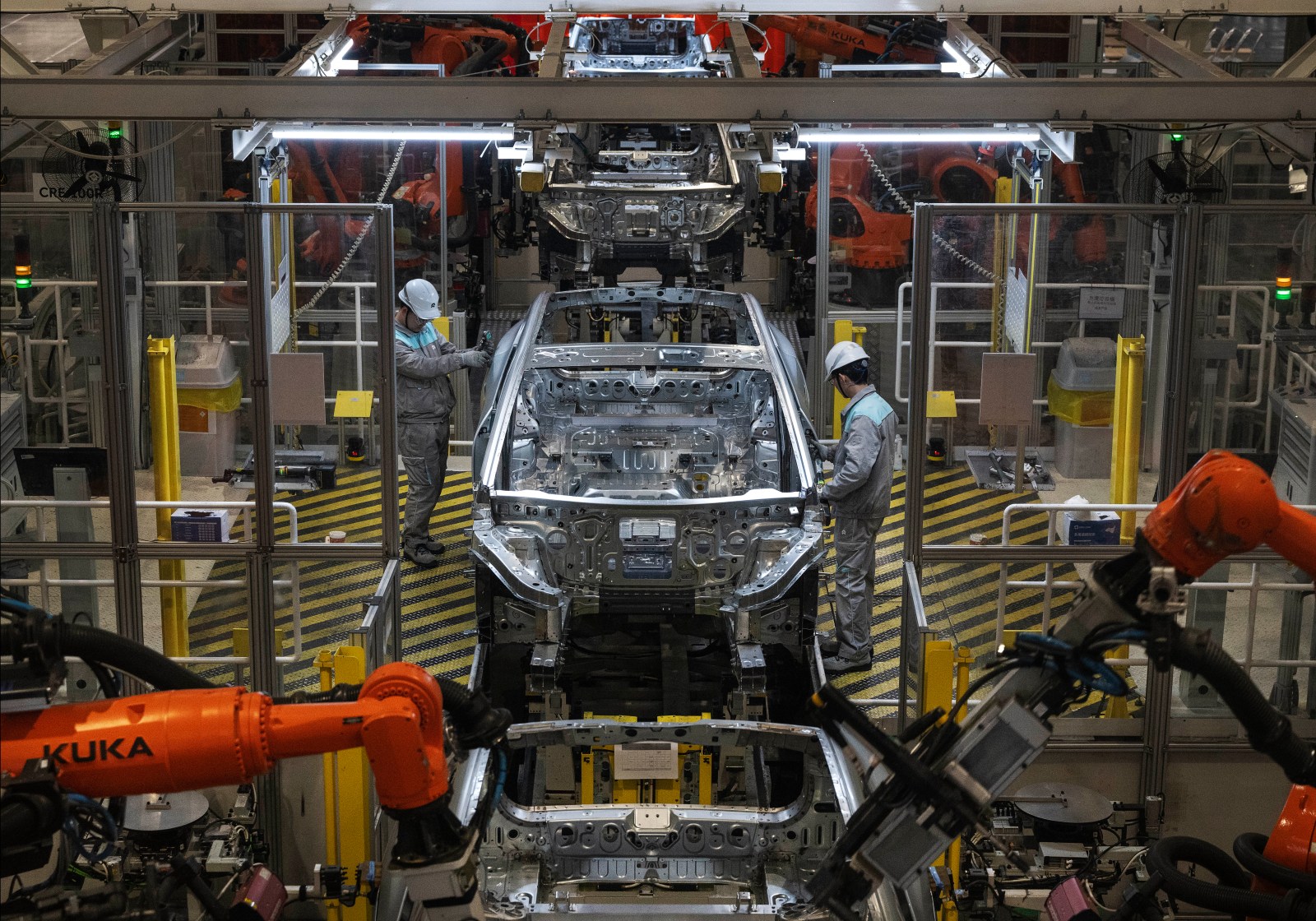
China’s auto industry, bolstered by subsidies and technology transfers, poses a threat to U.S. manufacturing jobs. Despite agreements on the industry’s existential danger, Trump has indicated support for Chinese auto factories in America while restricting imports. The auto sector’s manufacturing ecosystem is vital, and foreign ownership could hinder national mobilization during crises.
Currency Manipulation: Undermining Trade Enforcement
China’s currency, the renminbi, is managed to remain devalued, weakening the impact of U.S. trade enforcement. This manipulation affects tariffs and duties, evidenced by China’s export growth despite U.S. tariffs. The Trump administration has not addressed this issue, although options like confronting exchange rate manipulation and targeting currency practices exist.
Semiconductor Chips: A Mixed Commitment
Trump has advanced domestic chip production, securing commitments from major manufacturers like Micron and Intel. However, inconsistent responses to multinational complaints about chip sales to China raise doubts about his commitment to reshoring microelectronics.
Confronting Past and Present Trade Policies
It’s unclear whether Trump will persist in allowing Chinese auto manufacturing in the U.S., ignoring currency issues, or complicating chip production efforts. His decision to ease tariffs and forego enforcement actions on critical sectors signals possible retreat at times. While Trump’s overall China strategy differs from predecessors, challenges with cars, currency, and chips misalign with his broader trade objectives.
Scott Paul, president of the Alliance for American Manufacturing, provides these observations and insights, highlighting the ongoing complexity of U.S.-China trade disputes.