
President Donald Trump is gearing up for a significant weekend that promises to impact his presidency substantially. The World Cup returns to U.S. soil on Friday after 32 years, an achievement Trump actively pursued during his first term. On Sunday, the president will celebrate his 80th birthday with a UFC fight night expected to attract thousands to the White House.
Later that weekend, Trump will head to the G7 summit in the French Alps. There, he plans to engage in discussions with several world leaders concerning ongoing issues related to war and tariffs. However, the president heightened anticipation by announcing potential progress in talks between the U.S. and Iran. He claimed the possibility of reaching an agreement to end the three-month-old war, which has been unpopular among Americans and disrupted global oil markets. Trump expressed plans to send Vice President JD Vance to the agreement signing.
This announcement comes after a series of military threats from Trump to escalate actions against Iran. These included intensified bombardment and targeting Iran’s oil infrastructure, such as the strategic Kharg Island facility. Trump remains optimistic that negotiations with Iran could prosper despite previous statements about the imminent resolution proving inconclusive. Although specific details regarding the deal remain sparse, Trump indicated confidence in the Iranian leadership’s willingness to sign the agreement.
Despite Trump’s aggressive stance, recent social media posts suggested a desire to de-escalate hostilities. He publicly questioned whether Americans supported further military engagements. Later, mediators from countries like Pakistan, Turkey, and Qatar reported progress in their negotiations with Iran. Iran’s recent military actions against Israel have also added complexity to the situation, reflecting a raised cost for U.S. involvement.
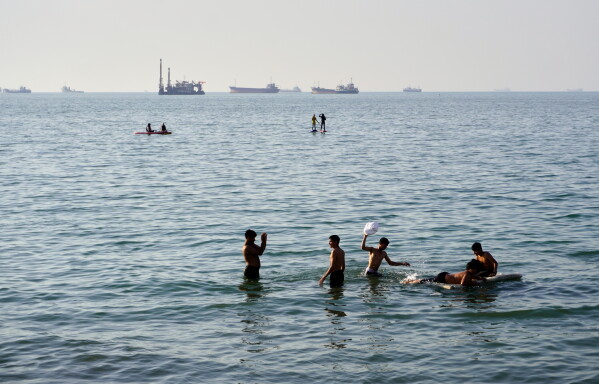
Observers note Trump’s intent on both achieving a significant diplomatic win and finding an exit strategy, though these goals may conflict. Trump has consistently highlighted how Iran’s military capabilities have been considerably weakened, yet the Strait of Hormuz, a critical maritime passage for oil, remains blocked. This ongoing situation affects global oil supply and complicates diplomatic relations.
As part of his media strategy, Trump has voiced concerns about public perception, believing that media coverage favors Iranian narratives. He faces internal political pressure, with some U.S. representatives noting that Iran might delay talks until closer to American midterm elections, affecting negotiation momentum.
The upcoming G7 summit will place these issues at the forefront of discussions. Trump’s contentious relationships with leaders from the U.K., France, Italy, and Germany add to the diplomatic challenges, particularly due to their critiques of his war strategy and its economic impact. Despite these tensions, Trump remains hopeful about achieving a resolution soon, possibly aligning the signing with the G7 meetings in Europe.