
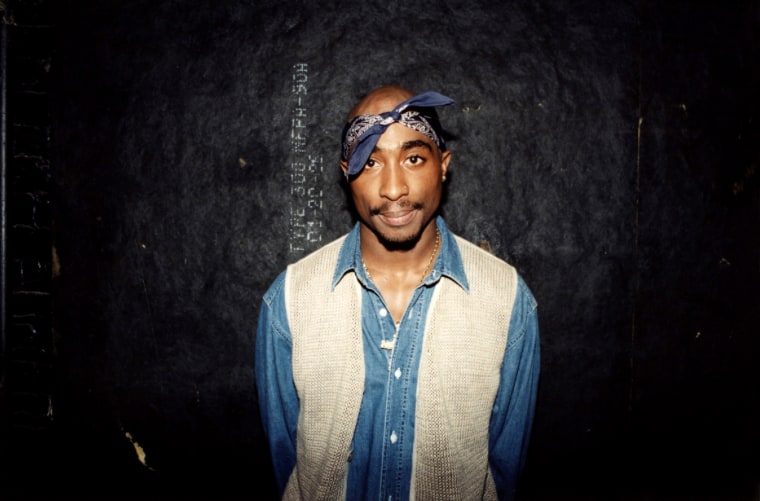
In Las Vegas, the trial of Duane “Keffe D” Davis begins on Monday, decades after the 1996 murder of iconic rapper Tupac Shakur. Davis, 63, is charged with murder with a deadly weapon, with allegations that he intended to support criminal gang activity. He faces trial years after Shakur’s death captivated fans, who regarded Tupac as a transformative figure in hip-hop. Known for his powerful lyrics on love, pain, and family, Shakur was a key figure in a music environment troubled by gang rivalries.
The trial is expected to last around a month, focusing on proving Davis’s involvement in organizing the attack rather than identifying the person who fired the weapon. Prosecutors suggest Davis orchestrated the attack from the Cadillac where he was present, a vehicle linked to the shooting. Despite numerous accounts, direct evidence remains scant, but Davis’s own admissions in interviews and a memoir played a pivotal role in his indictment.
The night of Shakur’s death, September 7, 1996, was marked by violence near Las Vegas’s iconic Strip. While in a BMW, Shakur and Marion “Suge” Knight were ambushed by shooters from a Cadillac. Shakur was hit multiple times and succumbed to his injuries six days later. Knight managed to survive with minor wounds. The revelation of Davis’s connection came years later, catalyzed by his public confessions and writing.
Davis’s defense argues he had retired from criminal activities long before being charged and disputes the reliability of evidence based on second-hand accounts. Shakur’s family, enduring a long quest for closure, cautiously hopes this trial offers the clarity and justice they seek.
The grand jury’s findings tie the killing to rivalries between influential record labels and gangs, painting a picture of ongoing conflicts between Death Row Records and Bad Boy Records, and their respective gang affiliations. The prosecutors claim the chain of events leading to Shakur’s death was retaliation against the South Side Compton Crips, once aligned with Bad Boy, after a confrontation involving Davis’s nephew.
Davis’s book, Compton Street Legend, serves as a cornerstone for the prosecution, detailing his account of the night. Although Davis’s legal team contests the use of the book and a related police interview, citing its fictional elements, the narrative within implicates Davis in providing a gun used in the attack.
The defense seeks to challenge the admissibility of Davis’s memoir as evidence due to its purported fictional aspects and involvement of a co-author. They also claim confidentiality was breached regarding a 2008 task force interview.
Mopreme Shakur, Tupac’s stepbrother, acknowledges the raw emotional toll of revisiting such traumatic events but expresses hope for a fair trial. He also calls for a deeper look into claims regarding other alleged conspirators in Tupac’s death.
Shakur’s impact endures through more than 75 million records sold globally. With influential tracks like “California Love” and “Changes,” his music and its social messages remain relevant. Professor Jeffrey O.G. Ogbar praises Shakur’s lasting influence on hip-hop and society.