
The Trial’s Opening
The murder trial of Duane “Keffe D” Davis started with prosecutors detailing the events leading to Tupac Shakur’s 1996 fatal shooting. They argue Davis orchestrated the murder in retaliation after Shakur and his group attacked Davis’ nephew, Orlando Anderson, in Las Vegas.
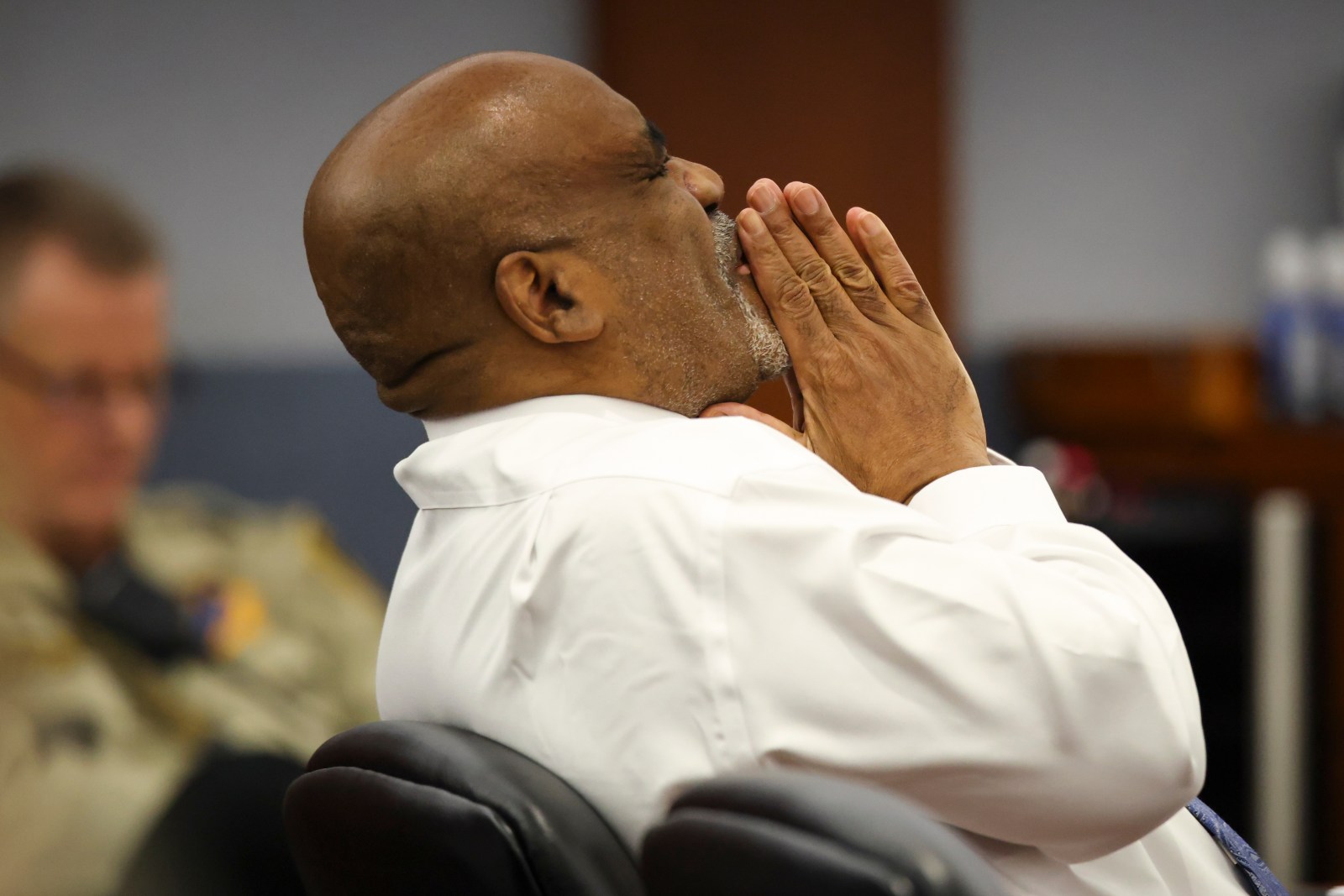
In court, Davis appeared in a blue suit, maintaining a blank expression as prosecutors recounted a series of events that escalated into this infamous murder. Although Davis didn’t fire the gun, prosecutors claim he planned the attack and provided the weapon.
Retaliation for Nephew’s Assault
Prosecutor Marc Wall presented the case that the confrontation at the MGM Grand casino, captured on video, intensified gang rivalries. This happened shortly after Mike Tyson’s fight, where Shakur’s group assaulted Anderson.
Wall emphasized the distinction between Shakur as an artist, not a gangster, despite his association with gang members. The prosecution argues Davis was provoked by this assault, leading to the tragic retaliation against Shakur.
Davis’ Recorded Statements
Davis’ admissions to investigators during questioning for unrelated drug charges form a crucial part of the case. Prosecutors revealed that Davis offered information on Shakur’s murder rather than help with their original investigation target.
In a secret session with federal agents, Davis allegedly detailed the shooting and identified people present that night. Such recordings, publicly known since 2009, are considered pivotal evidence. Prosecutors assert that Davis attempted further involvement by trying to gain testimony from others involved.
Reflections on Davis’ Intentions
A significant aspect of the opening statements was Davis’ explanation for not shooting Shakur himself. When the car was near Shakur, Davis reportedly passed the gun to the backseat, indicating his participation and intent, as maintained by the prosecution.
Prosecutors argue this setting showcases the gang tensions and calculated retribution for Anderson’s beating, demonstrating Davis’ role and the group’s resolve to execute the attack.
Defense’s Argument
Davis’ attorney contends the prosecution’s case relies on unverified, old statements rather than concrete evidence. He consistently emphasized to the jury the lack of factual connection tying Davis to the crime beyond once-alleged statements.
The defense acknowledged undisputed elements, like Shakur’s shooting and recovered casings, but highlighted a lack of proof for the prosecution’s theory. The defense criticized the fragmented investigation, referencing stalled leads and uncorroborated witnesses.
The defense pointed out previous task forces’ inaction on Davis’ claims, arguing inadequate verification of his admissions. They claimed recent investigative efforts focused on closing the case rather than seeking truth, heavily relying on Davis’ statements and a memoir.
Upcoming Testimonies
After opening statements, witness testimonies are anticipated to clarify the situation leading to the shooting and Davis’ alleged orchestration of events. While prosecutors won’t claim Davis as the shooter, they aim to demonstrate his essential role in organizing the attack and supplying the gun.
The trial, expected to last for several weeks, will determine Davis’ fate. If convicted for his alleged involvement, he could face a life sentence.