
Top finance officials from the world’s wealthiest countries gathered in Paris on Monday. Their main goal was to develop a strategy to manage the economic consequences of the ongoing conflict in Iran. This war has caused a steep rise in global energy prices and slowed economic growth.
The meetings occurred at a tense time for the global economy and the United States. The U.S. had imposed tariffs on Western allies for over a year and had threatened more. Now, the Trump administration seeks aid from fellow Group of 7 nations members to stabilize the economic crisis it has caused.
During the two-day event, discussions included sanctions policies, illicit finance concerns, and plans for Ukraine support.
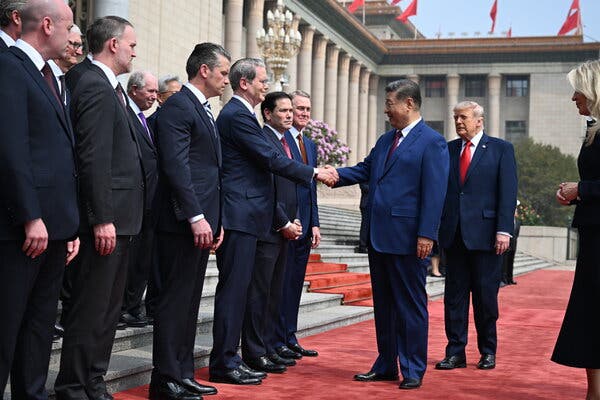
This summit followed President Trump’s meeting with China’s leader, Xi Jinping, in Beijing. Their talks focused on strengthening ties between the largest economies in the world. While Mr. Trump favors bilateral negotiations, Iran’s situation and China’s control over vital minerals have forced the U.S. to seek support from long-standing allies.
Achieving this will not be straightforward. Mr. Trump criticized and threatened America’s closest allies, like Europe and Canada, throughout his second term.
French Finance Minister Roland Lescure commented in an interview with The New York Times, “I think there’s one lesson to be taken from the last six months, the law of the fittest doesn’t work.” He emphasized that reopening the Strait of Hormuz, which Iran blocked at the war’s start, required international cooperation. China’s mineral export restrictions also necessitate a global response.