
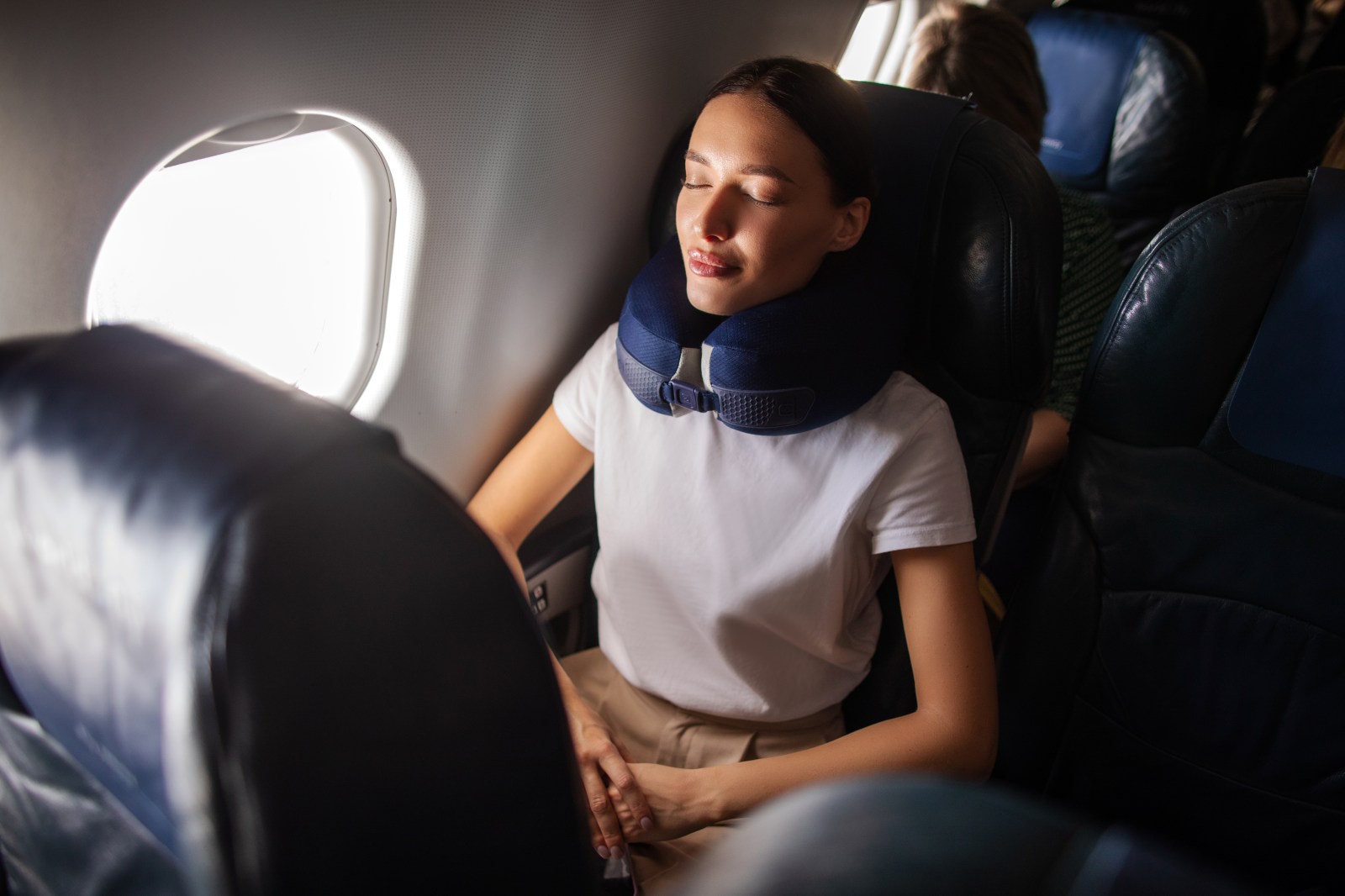
Flying can be stressful on your body, even on short trips. Dehydration, stiff muscles, and jet lag often leave travelers more fatigued than anticipated. Jason Martinelli, director of operations and chief pilot at Cirrus Aviation Services, shares some simple habits to improve how you feel after disembarking.
Challenges in the Cabin
One major issue is the dry air inside the plane. Martinelli notes that the cabin’s low humidity contributes to dehydration, headaches, dry eyes, and fatigue. Prolonged sitting can also hinder circulation, causing stiffness or swelling in your legs and feet. Crossing time zones can further disrupt sleep patterns, worsening jet lag.
Preparation Before Boarding
Martinelli emphasizes that preparation starts before the flight. Hydrate well before boarding and continue drinking water during the journey to combat the dry cabin air. Wearing comfortable clothing and avoiding too much alcohol also make the trip more bearable.
Staying Active During the Flight
For long flights, get up when it’s safe. Standing, stretching, and walking every hour or two boosts circulation and reduces stiffness. Even short moments of movement matter.
If you stay seated, engage in simple exercises. Flex and point your feet, roll ankles, stretch calves, and tighten and relax leg muscles for better blood flow. Rolling your shoulders and stretching your neck can alleviate upper-body tension. Walking through the cabin, if possible, is highly beneficial.
Common Mistakes to Avoid
Many travelers don’t drink enough water, Martinelli warns. Over-reliance on caffeine or alcohol exacerbates dehydration.
His advice is straightforward: Treat flying like any long journey. Hydrate, move when possible, listen to your body. These habits significantly impact how refreshed you feel upon arrival. For both business and leisure travel, a bit of preparation ensures a more comfortable flight.