
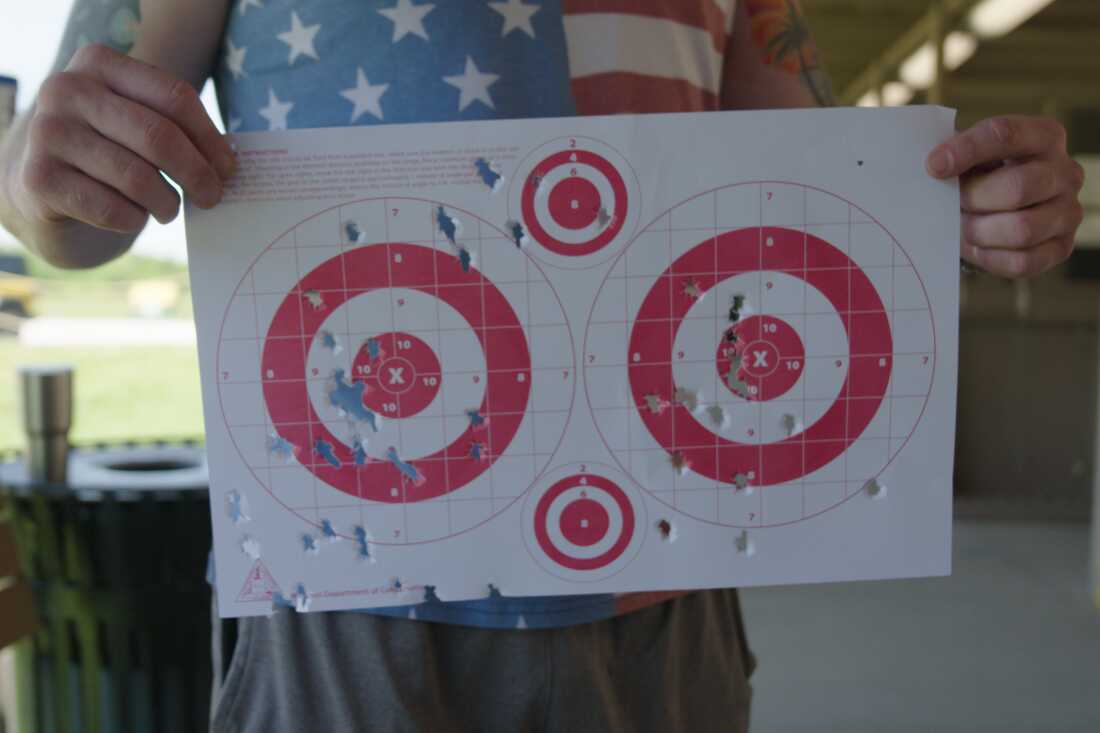
Matthew Mealer displayed his targets at the Busch Shooting Range in Weldon Spring, Missouri. Skeptical about new vaccines, Mealer might consider one for Lyme disease if confirmed safe and effective. This hesitancy resonates amid tick season, potentially the worst in a decade, with Americans increasingly exposed to ticks as climate expands their habitat. This exposure brings diseases like Rocky Mountain spotted fever, alpha-gal-related red meat allergy, and notably, Lyme disease.
Pharmaceutical giants Pfizer and Valneva aim to seek regulatory approval for a new Lyme disease vaccine. A past vaccine in the late 1990s was quickly withdrawn due to legal challenges, fear of side effects, and low public interest. Skepticism towards vaccines has been heightened in the post-COVID era, influencing the reception of any new vaccine.
KFF Health News interviewed a group of hunters for insights on potential reception among rural populations at high risk. Hunters typically spend extensive time in tick habitats and often exhibit vaccine hesitancy.
“Given my proclivity for the outdoors, absolutely,” Jess Manganelli, a fervent hunter, expressed willingness to adopt the vaccine.
Manganelli suspects a past encounter with Lyme disease but lacked formal diagnosis. Muscle weakness and fatigue followed a tick bite, yet testing at urgent care was unavailable. Despite this, most hunters she consulted would consider the vaccine but wanted information on safety, efficacy, and personal risk.
The difficulty in diagnosing and treating Lyme disease is acknowledged by the Centers for Disease Control and Prevention. Approximately 476,000 Americans are diagnosed and treated annually, coinciding with a significant expansion in the range of reported cases since 1995.
Steven Rinella, a conservationist and host of the hunting show MeatEater, shared his Lyme story. Both he and his son contracted Lyme during a fishing trip in New York’s Hudson Valley. Though his son’s Bell’s palsy resolved with antibiotics, Rinella struggled for months, needing intravenous antibiotics.
“I thought my life had changed,” Rinella recounted, yet eventually recovered and remains open to a vaccine if proven effective.
Hunter Jeremy Hollingshead expressed reluctance, influenced by a former roommate’s prolonged Lyme ordeal. Hollingshead’s reservations stem from familiarity but a belief in minimal personal risk. Conversely, Julian Barnes acknowledged witnessing relative hardships due to Lyme, affecting his vaccine view.
The potential vaccine, requiring four doses, missed a trial benchmark due to insufficient infection numbers but reportedly achieves 75% effectiveness in case reduction. Pfizer plans regulatory submission, yet no updates have emerged as of June. Health and Human Services Secretary Robert F. Kennedy Jr., known for anti-vaccine activism, has also campaigned against Lyme. An approval and endorsement could influence resistance, especially considering trust in his Make America Healthy Again movement.
Among the interviewed hunters, only JP Cummings insisted he wouldn’t consider the vaccine, trusting in natural resilience yet expressing curiosity about peer adoption. Hunters prioritize wildlife and health, as reflected in Cummings’ sentiments.
KFF Health News, responsible for this health journalism, is a pivotal program under KFF.