
The Women’s National Basketball Association (WNBA) faces questions about its core identity nearly 30 years since its inception. Its inability to clearly define ‘woman’ has sparked significant debate.
The WNBA was established by women for women, providing a platform for female athletes to compete and gain recognition. Originally envisioned as a celebration of women in sports, the league now struggles to clarify the definition of the term at the heart of its name.
The question of what constitutes a woman seems straightforward, rooted in biology. Yet, debates have arisen around this issue, even involving public figures like Governor Tim Walz, who encountered the inquiry during an Oversight Hearing. The confusion stems from wider societal discussions on gender identity, leading some to assert that men can become women through changes in appearance and identification.
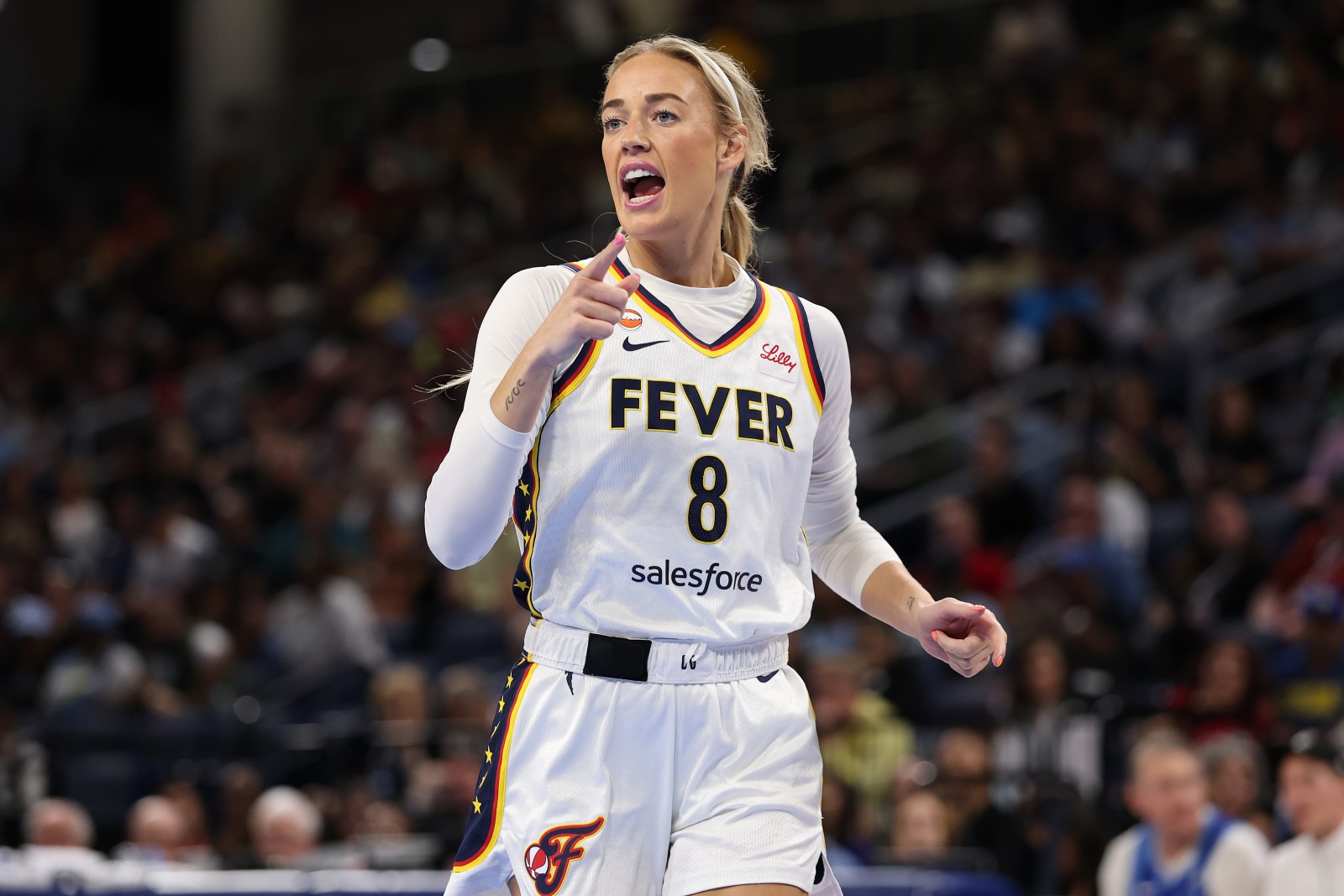
Players like Indiana Fever’s Sophie Cunningham have openly stated that girls in sports should compete against biological females, labeling it as common sense. Despite facing backlash, Cunningham emphasizes the need to protect the integrity of women’s sports.
The WNBA’s approach to these discussions has drawn criticism. The league’s response includes establishing a task force to address the definition of ‘woman,’ a move seen as unnecessary by some. Minnesota Lynx coach Cheryl Reeve’s stance, shown by wearing a shirt advocating for trans kids, highlights the league’s internal division on the topic.
“There is no such thing as a trans kid,”Mace comments, questioning Reeve’s support for transgender rights in sports. She argues that prioritizing these views endangers female athletes, suggesting that the support of transgender individuals in sports comes at the expense of women’s safety and fairness.Instances like the removal of a mother and daughter from a game for wearing shirts that expressed a belief in biological definitions of gender demonstrate the tension within the league. The situation draws attention to the balancing act between personal expression and league policies.
Former NBA players Enes Kanter Freedom and Royce White also challenged the league’s identity issues by declaring for the WNBA draft. Although deemed ineligible, their actions shine a spotlight on the league’s lack of clarity in its own eligibility criteria.
Nancy Mace, a Republican representative, argues strongly for limiting participation in women’s sports to biological females. She sees the current discourse as a detachment from reality, emphasizing the need for the WNBA to refocus on its original mission.
The league must decide whether to continue with its current approach or to honor its foundation by supporting women athletes unequivocally.
These opinions reflect Nancy Mace’s views as a representative from South Carolina’s 1st Congressional District.