
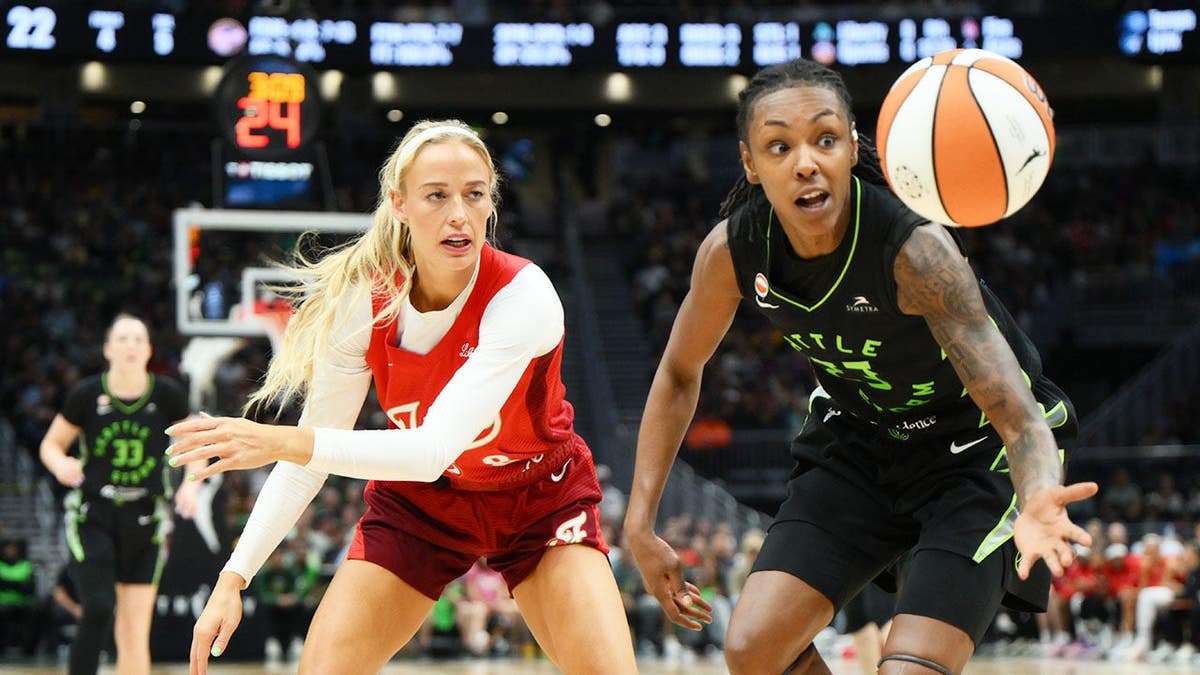
The WNBA has been gaining attention with the rise of players like Caitlin Clark and Sophie Cunningham. They’ve sparked fan engagement, increased viewership, and injected personality into the league. Yet, there’s an ongoing tension between the league and its stars, particularly seen in recent controversies and the handling of vibrant personalities.
WNBA’s Rising Stars
Caitlin Clark’s return to form has been noteworthy, showing her ability to perform at elite levels. Meanwhile, Sophie Cunningham and her interactions with fans demonstrate the growing appeal of WNBA players. This influx of attention is precisely what many sports leagues seek. However, some question why the WNBA seems uncomfortable channeling this energy.
Controversies and Challenges
The WNBA has faced several challenges this season, including controversies like the technical foul on Clark and Cunningham’s outspoken nature. These incidents have highlighted a disconnect between the league’s management and its talent.
There’s also been criticism toward players expressing personal beliefs, as seen with Seattle Storm’s Stefanie Dolson wearing a “Trans Rights Are Human Rights” shirt. This sparked discussions about the place for activism within the league. Sophie Cunningham has clarified her stance by expressing that biological men do not belong in women’s sports, a viewpoint rooted in maintaining competitive fairness.
Sophie Cunningham’s Market Impact
Sophie Cunningham’s influence extends beyond the court. Her exclusive Adidas shoe sold out in under an hour, demonstrating her market appeal. This is a testament to her influence and the growing interest in WNBA merchandise and athletes.
League Performance and Struggles
While individual stars shine, some teams like the Seattle Storm have struggled. Currently at 6-24, they face challenges in maintaining competitive performance in the league.
Issues Beyond the Court
Recent headlines have also involved unexpected incidents, like Tony Romo’s field sobriety test, showcasing a mix of sports news beyond gameplay. Additionally, questions around team compositions and performance persist, adding to ongoing debates within professional sports leagues.
Looking Forward
The WNBA’s path seems intertwined with balancing player personalities, societal issues, and improving team success. With ongoing developments and increasing fan engagements, the league appears poised for growth, provided it manages its internal dynamics effectively.
As the league navigates these challenges, the ultimate goal remains to enhance both the sport and its market presence, drawing more viewers and supporters to women’s basketball.