
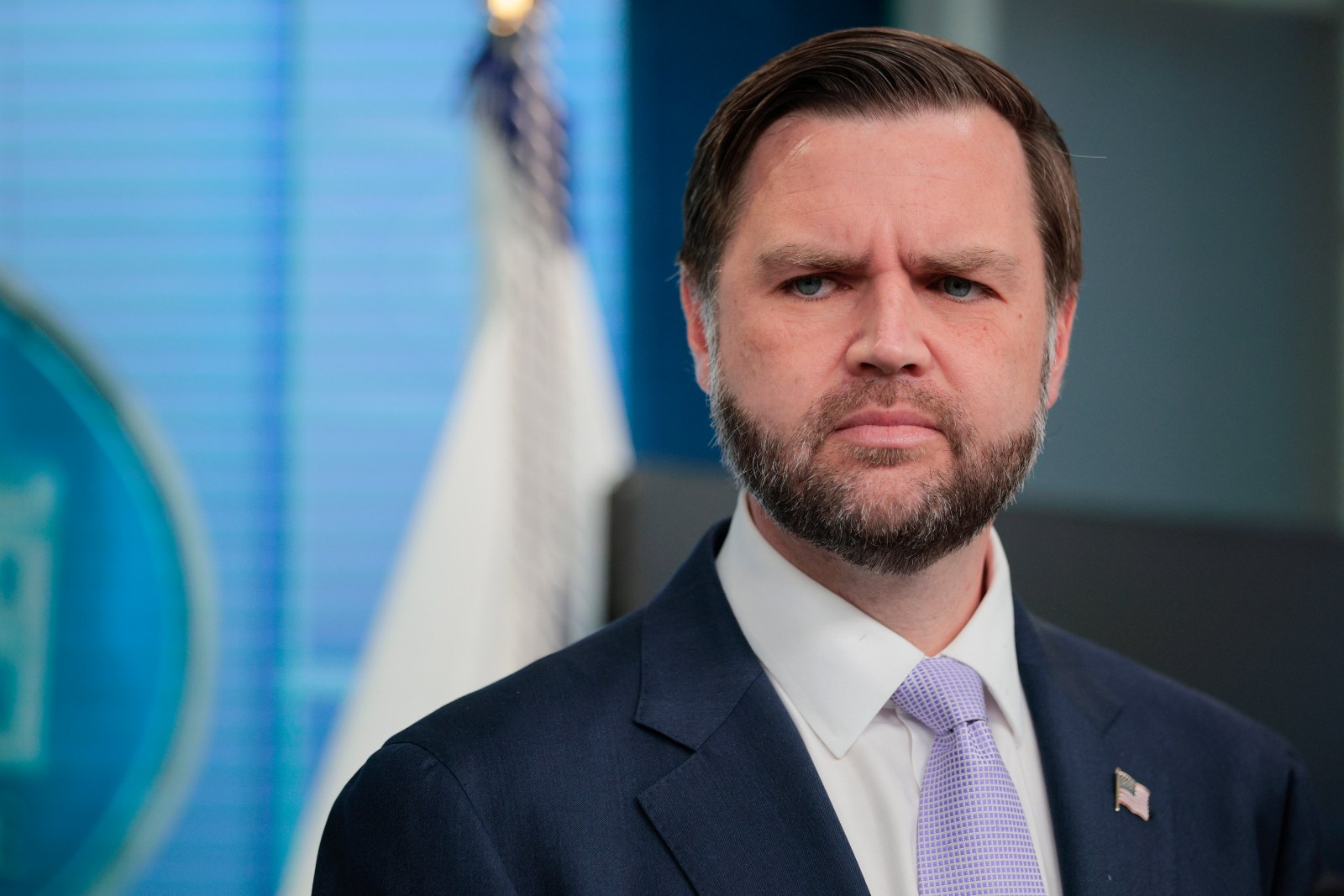
Religion’s Influence in Politics
Vice President JD Vance emphasizes religion as a tool to address some of America’s major challenges. He critiques Republicans for separating politics and religion when convenient. In his book Communion: Finding My Way Back to Faith, Vance takes aim at Christians for applying faith without considering real-world impacts. His criticism spans across political lines, addressing libertarians and the far left on key issues like the economy and immigration.
Vance argues Republicans overvalue the market, believing in the goodness of free transactions. In contrast, Democrats prioritize self-discovery. According to Vance, many push to separate church and state, but Christian involvement can help resolve societal issues.
“When the Church offers its insights on abortion, some people say, ‘The Church should stay out of politics.’ This attitude renders the Church irrelevant.”
Vance believes Christianity should inform all aspects of life, warning against isolating the Church’s influence.
Immigration and the Catholic Church
The Trump administration faced criticism from pastors and the Catholic Church regarding its immigration policies. In 2025, the Conference of Catholic Bishops expressed concern about the fear and rhetoric towards immigrants. They highlighted issues like family separations and detention conditions while advocating for meaningful reform to balance humane treatment with order.
The bishops stressed human dignity regardless of immigration status, urging solidarity with immigrants and recognizing their contributions. Some Republicans disagreed, but Vance found the bishops’ statement measured.
“Immigration is a daily challenge: applying moral principles in reality as a Christian leader.”
Vance noted discussions on immigration should focus on reality. For example, deportations lead to heartache despite being lawful. Solutions involve controlling borders and humane treatment.
- Loose enforcement promotes trafficking.
- Excessive immigration hinders assimilation.
Vance argues increasing immigration created diversity, leading to the rejection of Christianity, which could foster cultural unity. This shift caused societal divisions and demographic issues, suggesting embracing Christianity would nurture debate and dissent.
Economic Principles and Christianity
Vance discusses the Christian perspective on today’s economy. The focus on GDP often sidelines family interests, which contrasts with a Christian approach emphasizing human flourishing.
“The economy should enable people to live good lives. Viewing it as an end dehumanizes us.”
He criticized former Vice President Kamala Harris’ proposal to extend the school day to ease working parents’ schedules, calling for more family time.
On conservative views, Vance criticized Vanessa Brown Calder’s stance against paid parental leave. He found her arguments centered on labor and health costs for employers, saying it’s a worship of commerce.
“A Christian economy should focus on creation and dignity, rather than cultural aspects.”
Vance encourages a focus on social life economics alongside cultural considerations.