
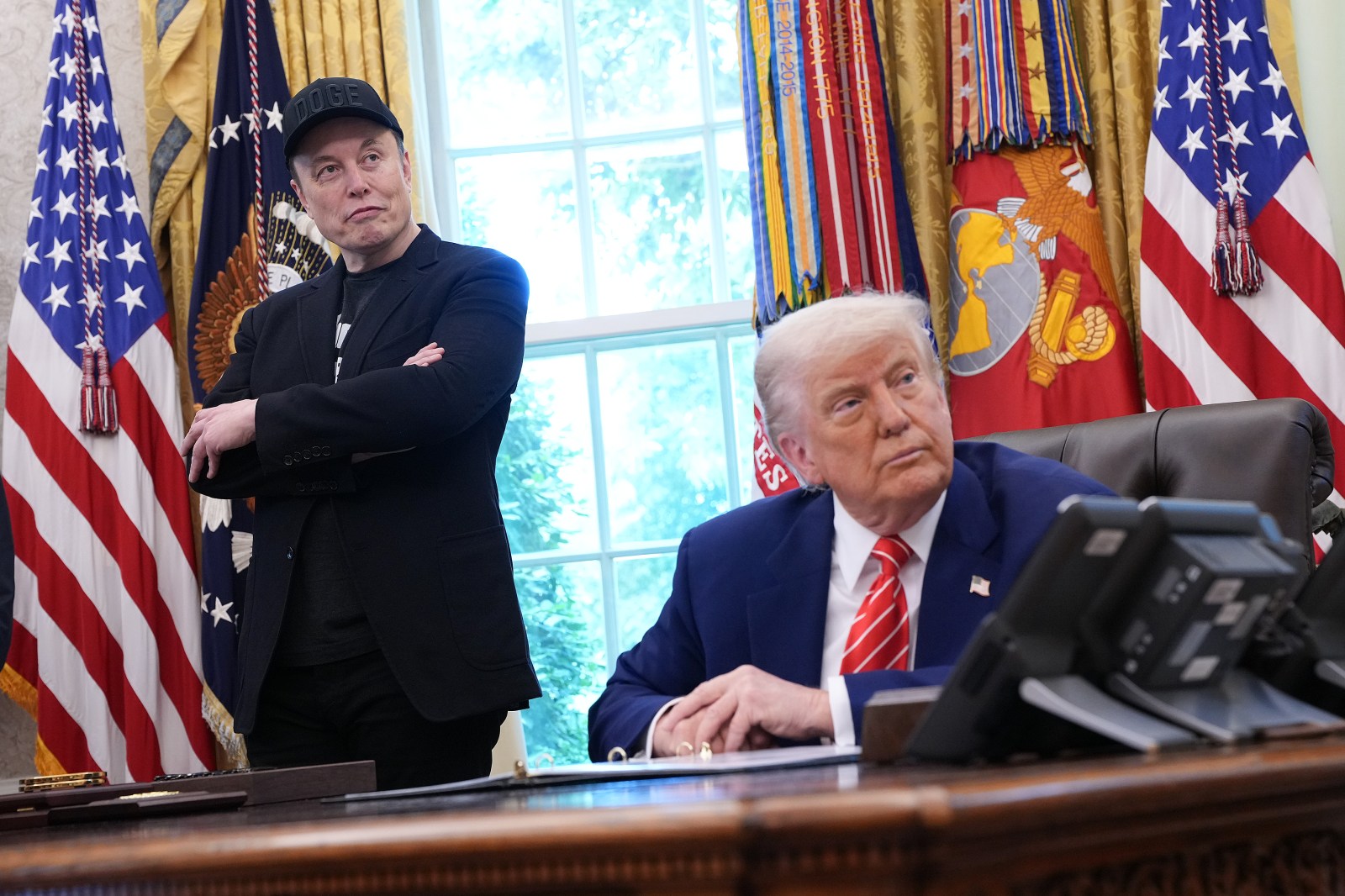
The Department of Government Efficiency (DOGE), established during Donald Trump’s second term, was aimed at reducing government costs. It was officially phased out by late 2025, with its functions absorbed into the broader federal structure, despite an 18-month agenda set by the White House on January 20. The department’s charter expired on July 4, eight months earlier than planned.
DOGE’s official statement over the weekend emphasized, “Good stewardship of taxpayer dollars and accountable government are not temporary initiatives. We hope those principles endure long into America’s next 250 years.” This signifies a continued commitment to minimizing waste, fraud, and abuse, even as the department itself ceased operations.
Initial Activities
Originally led by Elon Musk, DOGE’s activities included reducing the federal workforce, cutting funding from various programs and agencies, and canceling substantial government contracts. Despite these efforts, the initiative achieved only a small portion of the savings it targeted. Critics, including Democratic lawmakers and affected agencies, voiced their disapproval of its methods.
President Trump established DOGE through an executive order on his second term’s first day, with a mission to enhance government efficiency. In its early weeks, DOGE placed its employees in various federal agencies, initiating staff buyouts and deferred-resignation programs to decrease governmental size.
Impact and Controversy
The Office of Management and Budget reported that over 260,000 federal employees left service in 2025 due to DOGE’s actions. This led to lawsuits from federal worker unions. Controversy grew after DOGE accessed internal data systems of agencies like Health and Human Services, the Social Security Administration, and the Department of Energy.
United States Agency for International Development (USAID) Targeted
USAID was heavily targeted by DOGE in 2025, aiming to cut funding and staff, significantly reducing the agency’s capacity to deliver foreign aid. Proponents argued that USAID needed reform due to inefficiency, while opponents worried that important humanitarian programs would suffer. Although USAID still exists nominally, reports indicated that most programs were cut by 83% and it was anticipated to close by September.
Musk’s Departure and Subsequent Developments
In May 2025, Elon Musk stepped down from his role at DOGE to focus on his business ventures. This decision followed growing concerns from Tesla investors that Musk’s involvement in DOGE was detrimental to Tesla. Concerns about transparency, legal status, employee qualifications, and how savings were calculated also surrounded DOGE.
Following Musk’s departure, DOGE’s activities diminished significantly. By November, officials noted that the project ended ahead of schedule. Remaining responsibilities shifted to the Office of Personnel Management (OPM), continuing DOGE’s core agenda.
Ongoing Legal Fallout and Financial Impact
Courts still address cases related to layoffs, grant cancellations, agency restructuring, and data-access issues. DOGE claimed to have terminated over 13,440 contracts, 15,887 grants, and saved $215 billion, though this was far below the original $2 trillion target. Recent challenges underscore potential long-term repercussions for impacted agencies.
Federal job postings have risen as agencies recover from the widespread staff reductions initiated in 2025, highlighting the enduring impact of DOGE’s short-lived tenure.