
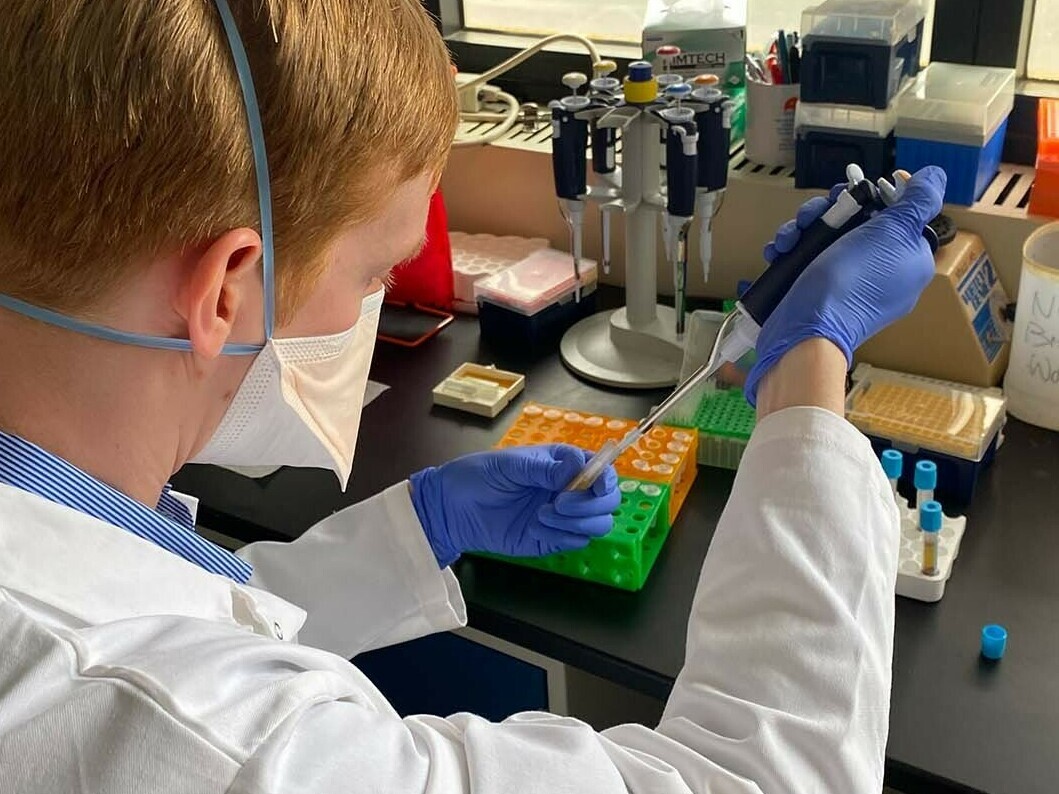
Bradley Wade Hamilton, a graduate researcher, focuses on understanding long COVID by analyzing microclots in blood samples. Despite the end of the COVID-19 public health emergency, millions worldwide continue to suffer from long COVID symptoms. This condition lacks a specific biomarker for diagnosis, posing challenges for both researchers and patients.
From Lungs to Blood:
COVID-19 was initially thought to be a respiratory disease. However, Resia Pretorius from Stellenbosch University discovered blood-related symptoms resembling patterns seen in diseases like diabetes and arthritis. She noticed severe clotting issues in the blood samples of COVID patients, indicating that the disease significantly impacts blood clotting.
Pretorius and her team are studying blood samples from long COVID patients. Their goal is to understand how COVID affects blood during acute infections, focusing on how the spike protein alters clotting proteins.
Activated platelets and microclots are common in acute COVID, causing vascular damage. In some cases, the body does not dissolve these microclots, leading to widespread inflammation and compromised blood flow. This affects organs, resulting in the vast array of symptoms associated with long COVID.
A Possible Biomarker:
The absence of a diagnostic test for long COVID complicates research efforts and patient care. Many patients face skepticism about their symptoms due to normal blood test results. Pretorius aims to create a test that can detect microclots, providing a clearer diagnostic tool for long COVID.
David Putrino from Mount Sinai Health System collaborates with Pretorius. He advocates for tests that go beyond standard blood panels, as current panels have limitations in capturing physiological abnormalities.
Initial findings show that patients with long COVID have microclots and activated platelets not found in individuals who have recovered. Putrino believes this pattern could serve as a biomarker for long COVID.
Roy Silverstein from the Medical College of Wisconsin, who is not involved in the research, emphasizes the need to determine if microclots are exclusive to long COVID. He questions whether targeting these microclots could lead to effective treatments.
Unlike other diseases that affect blood clotting, the clots in long COVID consist of unusual fibrin structures, presenting a new challenge.
A Unique Source of Funding:
With urgency fueled by patients suffering for years, Pretorius turned to crowdfunding to purchase a flow cytometer critical for her research. This tool allows a thorough examination of individual cells, crucial for developing a clinical test.
Hannah Davis, part of the Patient Led Research Collaborative, highlights the prolonged suffering and the need for significant research funding. She believes that more financial resources should be dedicated to finding a biomarker and developing tests.
The collaborative efforts continue to push forward despite funding challenges, emphasizing the importance of advancing diagnostic tools for long COVID.