
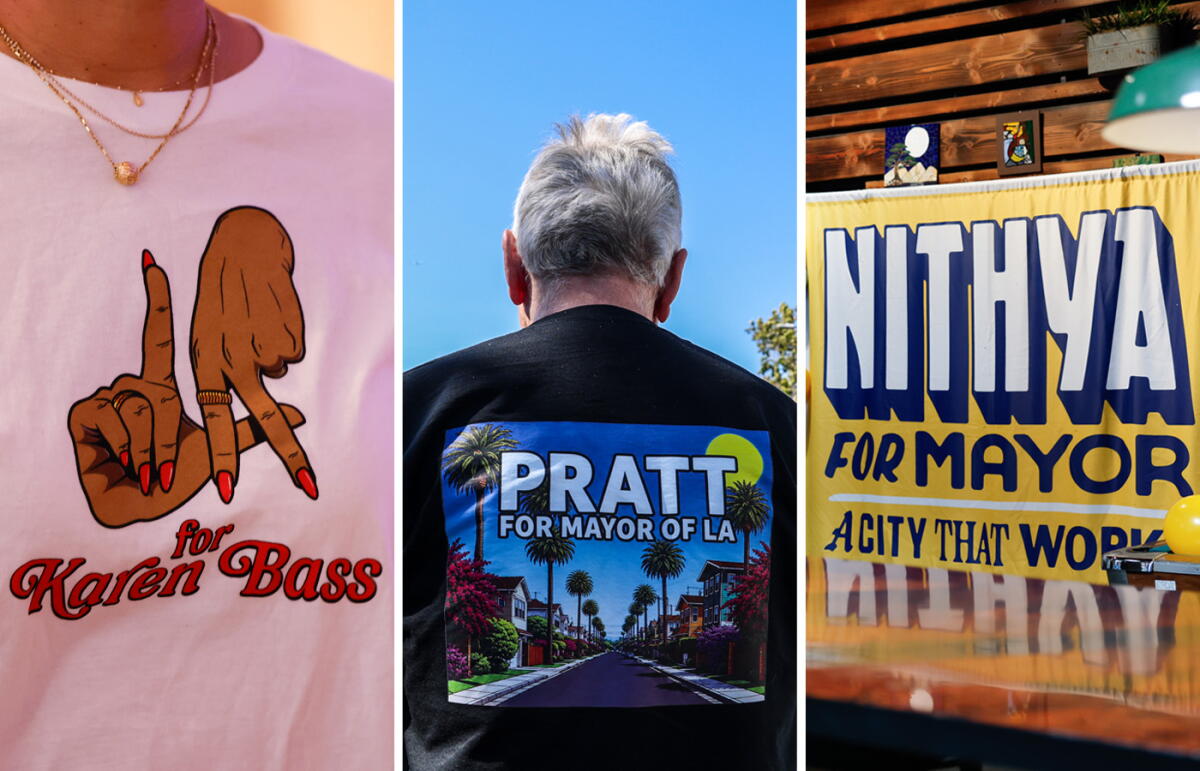
Over 300,000 voters in Los Angeles have transitioned from backing losing candidates in the mayoral primary to becoming pivotal players in the upcoming November 3 runoff. This critical group includes those who initially supported Spencer Pratt, a Republican candidate, predominantly from Pacific Palisades and conservative neighborhoods. His influence persists as he critiques both Karen Bass and Nithya Raman from the sidelines.
Spencer Pratt’s voter base is crucial according to Dan Schnur, a former Republican political consultant and professor. Although Pratt himself did not reach the runoff, his supporters could play a decisive role in a tight election contest.
Strategies for Engagement
Both Bass and Raman, as Democratic candidates, need to appeal to Pratt’s supporters while maintaining the allegiance of their liberal and progressive bases. Fernando Guerra from Loyola Marymount University emphasizes the delicate balance of attracting Pratt voters without alienating core supporters.
Bass’ effort involves collaboration with outside spending groups and campaign surrogates. By leveraging the Police Protective League, which represents LAPD officers, Bass aims to connect with moderate and conservative voters who previously backed Pratt.
“The more voters that supported Spencer Pratt know about Nithya Raman, her record and the DSA agenda, the more they move away from Nithya Raman,” said Tom Saggau, spokesperson for the Police Protective League.
Conversely, Raman positions herself as the anti-establishment candidate, hoping to resonate with Pratt supporters’ dissatisfaction with the current administration. Despite links to the Democratic Socialists of America and their controversial defund police agenda, Raman has strategically avoided major cultural disputes, focusing instead on practical issues like city infrastructure.
Challenges and Opportunities
Raman faces a challenge in appealing to conservative Pratt voters due to her progressive stance and DSA affiliation. Her campaign, however, takes advantage of the negative sentiment many Pratt supporters harbor against Bass.
According to Ana Dahan from Thrive LA, Bass’ policies on public safety and homelessness are more aligned with Pratt voters’ expectations. Bass has supported measures like the anti-encampment zone law, unlike Raman, who has often opposed such laws.
Lisa Becker, a 65-year-old Pratt supporter, perceives the DSA’s influence as alarming, opting to support Bass as the less threatening choice. Conversely, Jay Handal, another Pratt voter, expresses dissatisfaction with Bass’ performance, favoring Raman as a lesser-known alternative.
The Impact of Pratt’s Neutrality
While Spencer Pratt has not officially endorsed either candidate, his critical rhetoric towards both remains apparent. Political analysts suggest Pratt’s neutrality could lead to a split vote, with each candidate gaining a portion of his supporters.
Mike Murphy, a Republican political consultant, maintains that Pratt’s voters could potentially provide a meaningful edge needed to sway the election outcome.
- Dan Schnur highlights the critical role Pratt’s voters may play.
- Fernando Guerra emphasizes strategic messaging to attract Pratt supporters.
- Tom Saggau narrates the Police Protective League’s efforts.
- Ana Dahan discusses policy alignment with Pratt voters.
The complex political dynamics surrounding Pratt’s voter base continue to shape the trajectory of L.A.’s mayoral race as November approaches.