
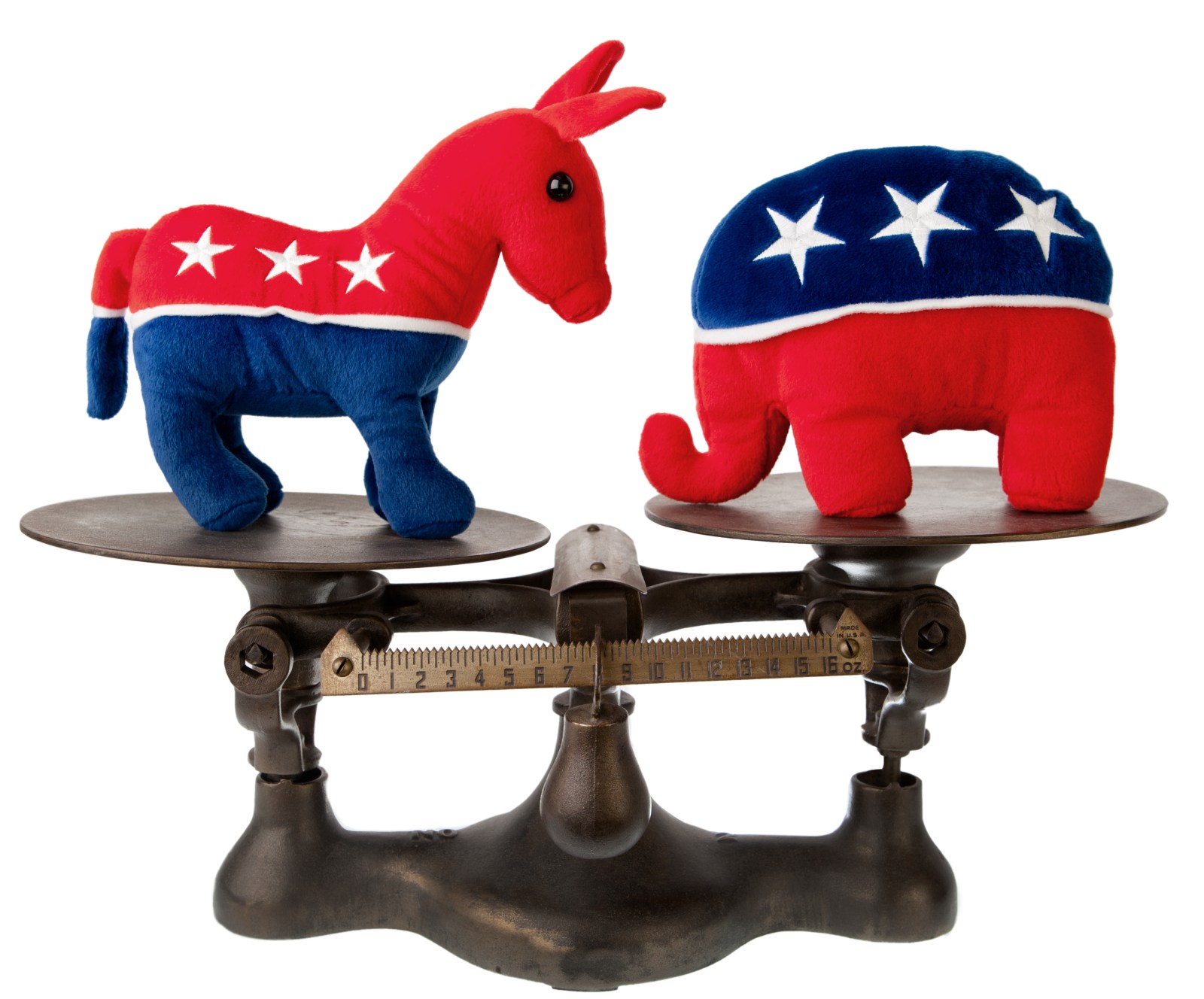
One of us has a background with Donald Trump, while the other is a political science professor and elected Democrat from our shared hometown. We often clash on public policy issues, engaging in heated debates about candidates and policies. Despite our differences, we concur on one vital point: Americans, regardless of disagreements, are Americans first.
As the United States nears its 250th anniversary, a fundamental question looms—are we still committed to the founding principles of unity that made this nation possible?
The Gravest Threat
The greatest threat to our nation is not political discord. Vigorous debate is central to American democracy. The real danger lies in drifting away from the unity that originally bound us. The founders chose the name United States of America deliberately, highlighting the importance of unity. At a time when loyalty was local, they introduced a vision of a united people—despite divergent interests and ideas.
The Constitutional Convention was a gathering underscored by significant disagreements. The miracle was not conformity but crafting a constitutional framework allowing ongoing debate without shattering the nation.
Present Political Climate
Today, political, media, and cultural institutions often reward division. Politicians fundraise by depicting opponents as existential threats. Media figures thrive on amplifying hostility, and algorithms deepen divides, inciting cultural wars over mundane aspects of life like gas stoves and light bulbs.
The result is a political culture encouraging Americans to view each other as adversaries. Erosion of trust in institutions is evident, as people separate into distinct political ecosystems. Pew Research finds large majorities of both Republicans and Democrats see the opposing party as immoral. Without agreement on basic facts, common ground remains elusive.
Consequences of Division
The consequences are dire. Instances of violence like those involving Charlie Kirk, Melissa Hortman, and others are symptoms of deeper issues. Princeton University’s Bridging Divides Initiative reports a 74% increase in threats against election workers and school board members. This division affects all political spectrums, fueled by rhetoric portraying opposing sides as evil.
George Washington, in his Farewell Address, warned of political factions enabling subversion of power. Today, gerrymandering wars build these factions, resulting in non-competitive districts that favor division. Outrage becomes a political strategy, and compromise becomes rare. Citizens face dysfunctional institutions struggling to sustain the republic.
A Call for Unity
Ronald Reagan cautioned against taking freedom for granted, highlighting generational choices between faction or union. Free societies endure not by eliminating differences but by prioritizing something larger.
Authoritarian regimes exploit division by deepening mistrust and weakening democratic societies. These strategies threaten democratic institutions.
America’s adversaries are betting against unity. Benjamin Franklin’s warning remains relevant—can we maintain the republic? We believe America can. If two individuals with differing backgrounds can get along, so can the nation.
Len Khodorkovsky is a former Deputy Assistant Secretary of State in the Trump Administration. Matthew Hale is a political science professor at Seton Hall University. These views are their own.