
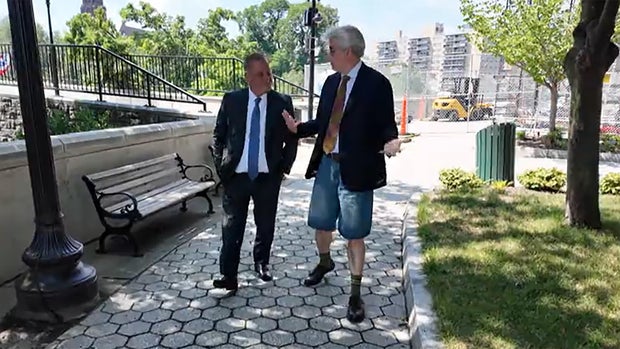
The summer of 1936 was exceptionally hot, leading to over 5,000 heat-related deaths. Geoff Williams, author of “The Summer of Death,” highlighted how cities like New York, Baltimore, Columbus, Lexington, and Minneapolis suffered prolonged high temperatures, some exceeding 100°F for weeks at a time. In a time when air conditioning was rare, many sought relief by sleeping in movie theaters or outdoors.
This intense heatwave altered daily life and fashion. During an era known for its conservative style, the heat prompted changes in clothing. Wearing shorts, for instance, was controversial. In Yonkers, New York, where Mike Spano now serves as mayor, it was once illegal. In 1935, Alderman William Slater banned items like shorts and halter tops from public spaces. Violators faced a $150 fine or 30 days in jail.
Despite this, on June 21, 1936, New York Daily News reporters challenged the ban by wearing shorts in Yonkers. Police arrested them, leading to a publicized legal battle. Their $10 fine was eventually overturned, and the ban was dropped. By 1937, Yonkers introduced a “modesty ordinance,” yet it didn’t last long.
Erin Black of NYU’s Tisch School of the Arts explained the historical context, noting it was once scandalous to show legs. Men in the Elizabethan Era wore “pumpkin hose,” a style involving sawdust-filled pants to keep their shape, which often attracted bugs, especially during England’s summers.
By the late 1800s, shorts were mainly worn by young boys. However, during World War I, British soldiers in Bermuda altered their trousers at the knee due to the heat, birthing Bermuda shorts. Women’s transition to shorter attire took longer. The popularity of World War II pinup girls and 1950s styles contributed. James Brown’s “Hot Pants” in 1971 and Catherine Bach’s portrayal in “The Dukes of Hazzard” further normalized short attire.
Nowadays, shorts appear in various settings, even in formal ones. Mayor Mike Spano, in Yonkers, now wears them comfortably. Writer Geoff Williams in Ohio appreciates them too, especially considering the 1936 heat. Despite current weather complaints, shorts have become a relief.
An excerpt from “The Summer of Death” reveals the struggles with modesty during the 1936 heatwave, including a Kentucky city’s approach to women’s summer attire.
For more information, you can explore “The Summer of Death: The Great Heat Wave of 1936 and the Making of Modern-Day America” by Geoff Williams. Available in multiple formats on platforms like Amazon, Barnes & Noble, and Bookshop.org.