
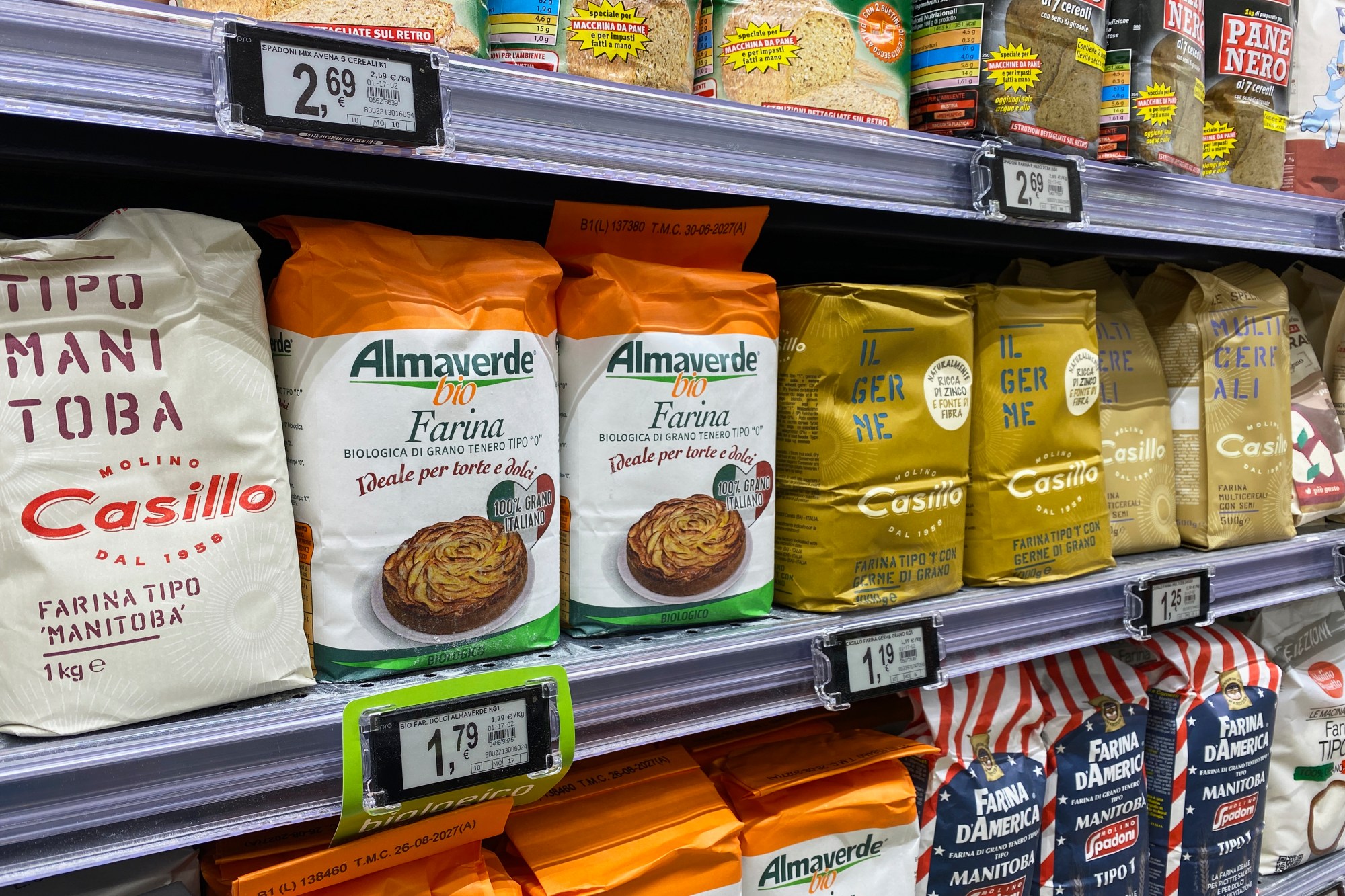
Electronic Shelf Labels: An Overview
The grocery industry is embracing technological advancements at a rapid pace. Among the newest innovations are electronic shelf labels, which are gaining traction across the globe. These labels, referred to as electronic shelf tags, replace traditional printed tags and facilitate price adjustments using computers or tablets.
Approximately 80% of supermarkets in Europe now utilize electronic labels. The United States, however, has seen slower adoption due to political concerns about potential price gouging and predatory practices.
“About 80 percent of supermarkets in Europe are using electronic labels.”
Despite apprehensions, electronic shelf labels could complement labor efficiency without eliminating grocery sector jobs. The existing challenges in labor recruitment and retention highlight the industry’s need for better systems.
Economic Implications and Job Concerns
Fear of job losses accompanies technological adoption, though history shows innovation can coexist with job growth. For example, California’s grocery employment increased by 38% since 1992, surpassing population growth of 28%.
Electronic shelf labels streamline operations and redirect labor efficiently, potentially increasing store productivity. Such technology alleviates the cumbersome task of replacing shelf labels manually and allows employees to focus on customer service and store maintenance.
Notably, turnover rates in food retailing remain high. By enhancing efficiency, electronic labels might help address labor satisfaction and retention concerns. Surveys consistently identify labor challenges as a top priority for supermarket operators, underscoring the industry’s need for innovation.
Price Management and Consumer Concerns
Electronic shelf labels can contribute to fair pricing practices and potentially reduce costs. Research indicates food prices are often sticky, failing to adjust accurately to changing costs such as energy or commodity prices.
The menu cost—the expense associated with adjusting prices in-store—is a significant factor behind these stagnant prices. Digital labels allow easier price adjustments, responding to fluctuating costs and pressures.
Concerns about surveillance pricing, price gouging, and predatory tactics are unrelated to electronic label use. Regulatory measures can address these issues, ensuring that profit motives do not compromise food security. Evidence from Europe suggests that food prices have not risen due to electronic labels.
Maintaining price gouging laws and preventing surveillance pricing ensures protection against unfair practices. Legal frameworks exist to prohibit facial scans or other identification methods during shopping, while safeguarding food prices from inflationary pressures.
Technological Evolution and Industry Impact
Technological advancements in the grocery sector have consistently driven efficiency and consumer satisfaction. Innovations like bar code scanners revolutionized inventory management and sales tracking. Electronic shelf labels may soon replace cumbersome paper tags and stickers, reducing operating costs and stabilizing food prices.
The competitive nature of the U.S. grocery market and slim profit margins necessitate technologies that minimize expenses. By adopting electronic shelf labels, supermarkets can better manage pricing strategies and operate efficiently, while adhering to regulations that deter anticompetitive behavior and protect consumers.
The evolution of bar code scanners serves as a precedent; future efficiency gains will challenge perceptions of outdated methods, enhancing productivity and sustainability in grocery operations.