
Ritual and Sporting Legacy
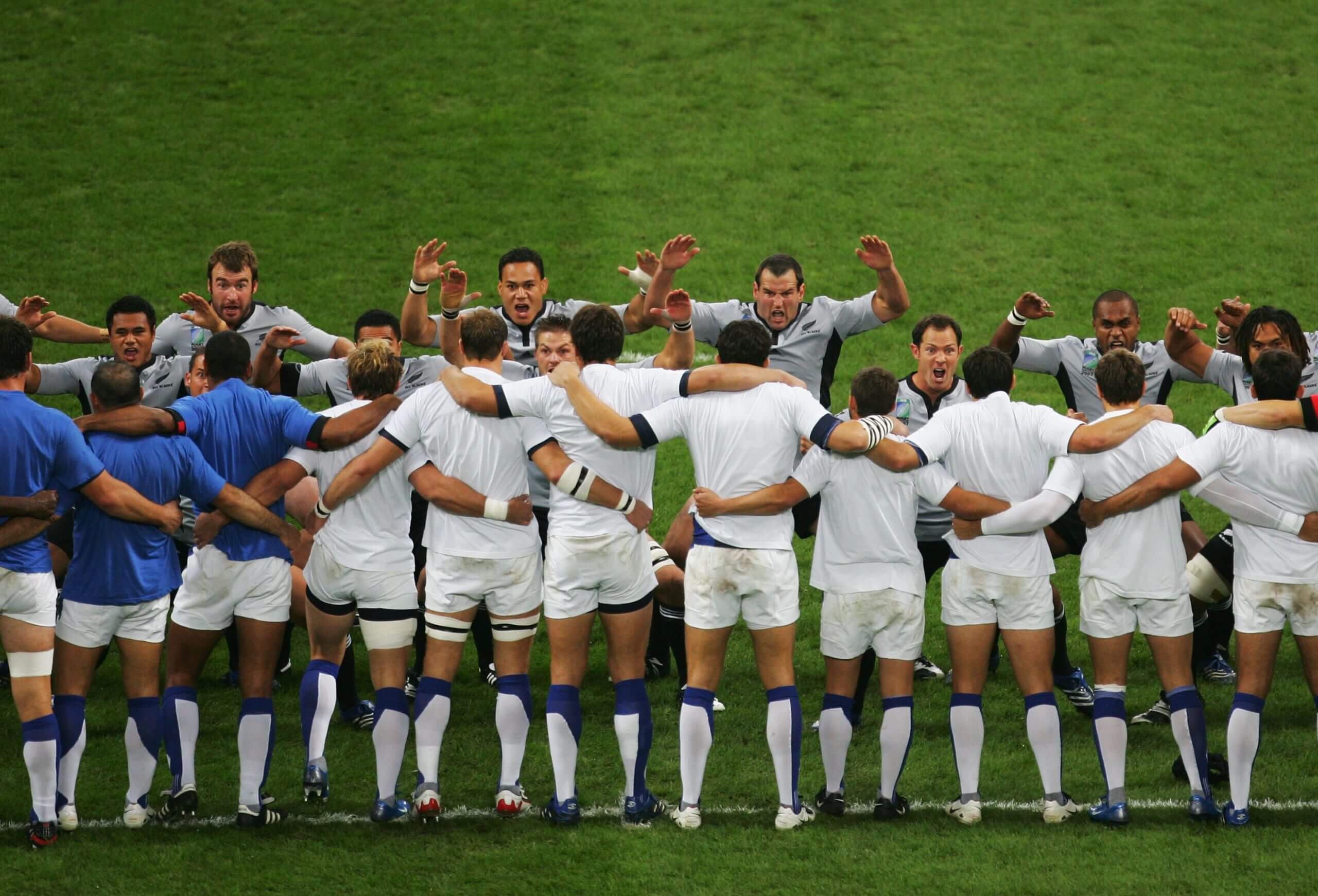
The haka, a ceremonial Maori dance, is famously performed by New Zealand’s rugby union team, the All Blacks, and other sports teams from New Zealand. It symbolizes the essence of rugby, and tomorrow, in Baltimore, a sell-out crowd at M&T Bank Stadium will have the chance to see this ritual firsthand. The match against South Africa marks the first time these two leading rugby nations meet on American soil.
The Haka’s Controversial Past
20 years ago, the haka faced criticism from rival teams who argued that New Zealand gained an advantage by performing it right before kick-off. Former All Black Tana Umaga recalls a period of resistance towards the haka, both from the team and opponents. To address the disconnect, Umaga consulted Maori elder Derek Lardelli, who explained the deeper cultural significance.
A Cultural Reconnection
Lardelli taught that the haka draws strength from ancestral bloodlines buried in New Zealand. This understanding led to the creation of a new haka, named Kapa o Pango, translating as ‘Team in Black’, adding to the traditional Ka Mate. Umaga’s team introduced this haka in a match against South Africa in 2005, drawing attention for a perceived throat-slitting motion, meant to represent inhaling air.
Unity Through Tradition
Today, New Zealand captain Scott Barrett highlights how Kapa o Pango unites players from various heritages under the All Blacks. Usually performed in major matches, it’s part of the rivalry against South Africa, which includes notable instances like Ma’a Nonu’s emotional solo haka.
New Perspectives from Rivals
South Africa, led by coach Rassie Erasmus, has shown respect for the haka despite his competitive tactics, highlighting it as an honor to face. In recent years, opposing teams have navigated the haka’s emotional intensity with responses ranging from standing firm to performing their own gestures, occasionally resulting in victories for teams like England and France.
Regulation and Commercial Influence
The IRB implemented rules requiring teams facing the haka to maintain distance, aimed at reducing unnecessary confrontations and preserving its global commercial appeal. Yet, crowd responses like singing over the haka continue without regulation, highlighting diverse cultural interactions.
Concluding Thoughts
For Umaga, rival responses are expected as teams encounter challenging moments symbolized by the haka. He emphasizes the representation of New Zealand’s small but competitive stature in the global arena, encouraging diverse reactions from opponents while maintaining respect for the ritual’s cultural origins.