
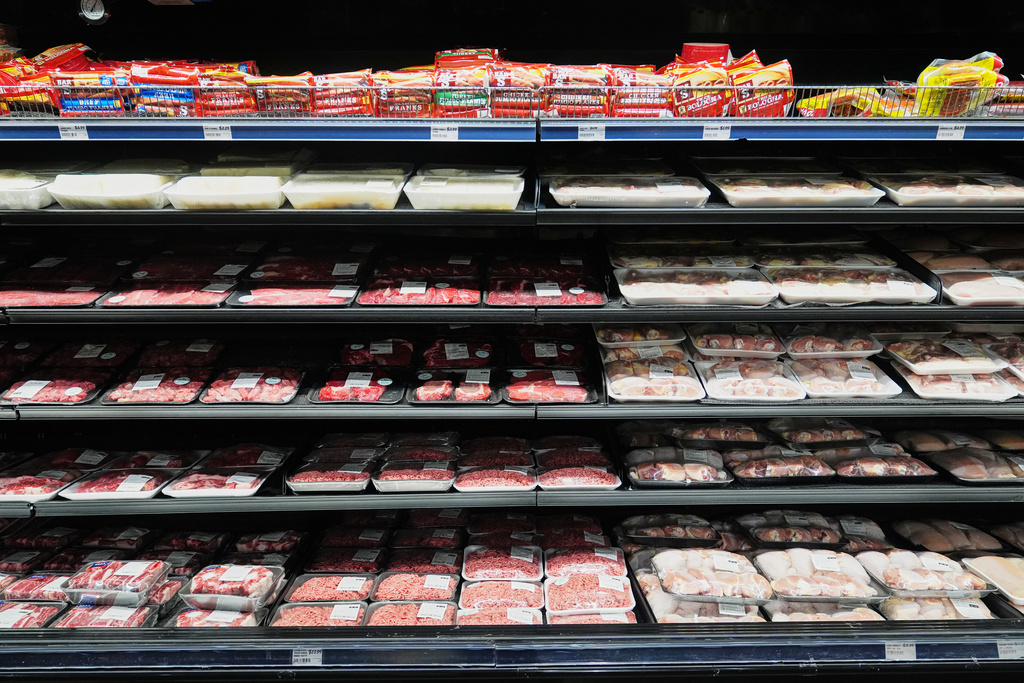
Meat and poultry covered by the USDA Supplemental Nutrition Assistance Program (SNAP) are available for sale at a grocery store in Baltimore, as seen on Thursday, October 30, 2025.
Although there are differing opinions regarding the SNAP program, I hope my perspective sheds light on its importance. SNAP serves as a crucial lifeline, feeding millions of Americans. However, there is a need for reasonable standards on purchases to ensure the program’s effectiveness.
Federal policy should prevent the use of SNAP funds for non-nutritious items such as junk food, candy, and sugary beverages. Critics of this approach advocate for complete purchasing freedom for SNAP recipients. While I understand this viewpoint, it’s important to recognize that SNAP is not a general cash benefit. It is a targeted initiative funded by taxpayers to improve food security and health outcomes. Establishing clear boundaries on SNAP purchases while promoting healthier habits is essential to fulfilling its purpose.
In south Texas, where I reside, obesity and diabetes are significant issues affecting the community and straining the healthcare system. Addressing these public health concerns requires confronting challenging truths and advocating for meaningful policy changes. Not all SNAP recipients face chronic illness, but a substantial number do. It is essential not to overlook this.
Research indicates that the regular consumption of ultra-processed foods and sugary drinks contributes to metabolic diseases like obesity and diabetes. In cases where taxpayer-funded benefits are used for items lacking nutritional value, a significant opportunity to promote health is missed. Many low-income families struggle to access sufficient quantities of fruits, vegetables, lean proteins, and whole grains.
In Texas, efforts have been made to tackle this issue. In April 2026, Texas proposed a SNAP Food Restriction Waiver aiming to limit the purchase of sweetened beverages and candy using SNAP benefits. The aim was to encourage healthier decisions and support long-term health outcomes, without restricting access to food.
In June, a federal court ruled against the waiver, stating that states cannot limit SNAP purchases. The Food Research and Action Center highlighted that Congress authorized incentive-based strategies for healthier eating but did not allow USDA to change the definition of food under SNAP or exclude eligible food categories.
Though I comprehend this legal reasoning, I believe it neglects the known adverse health effects of consuming excessive ultra-processed foods. Viewing products with minimal nutritional value the same as fruits, vegetables, and lean proteins within a program designed to combat food insecurity seems misguided.
This issue holds personal significance for me. My own struggles with obesity are tied to my history as a SNAP recipient in the early 1980s. My family relied heavily on food assistance, often purchasing snacks and sugary drinks. Although we also bought necessities, fresh produce was scarce, illustrating how the lack of nutrition education can result in poor health outcomes.
Despite setbacks, I urge Texas to continue advocating for policies that enhance food quality and nutrition. Nutrition education is crucial, yet SNAP-Ed programs providing such education were eliminated in the One Big Beautiful Bill Act of 2025. This decision runs counter to efforts in tackling increasing obesity and diabetes rates.
Diabetes rates are rising in the Rio Grande Valley, emphasizing the need to focus on food access, quality, and nutrition education. While SNAP remains a vital support system, its impact doubles when benefits are utilized to procure nutritious foods. Implementing strict nutrition standards helps reduce healthcare burdens and supports future generations in achieving better health.
Moises Arjona, Jr., MS, is the CEO of Unidos Contra La Diabetes.
Copyright 2026 Nexstar Media Inc. All rights reserved. This material may not be published, broadcast, rewritten, or redistributed.