
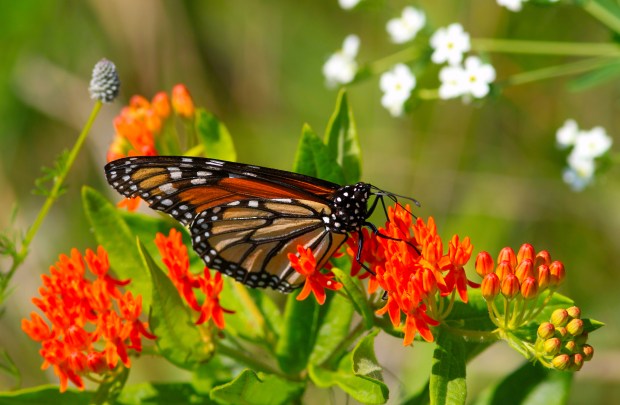
In November, butterfly milkweed’s vibrant orange flowers have faded. What remains are white, parachute-like structures dangling from dried seed pods. Inside these parachutes lie tiny, oval-shaped brown seeds, promising growth in the spring. These are minuscule, with 4,000 weighing less than an ounce. If they land in a suitable spot, they germinate and become a fresh crop of blossoms, attracting monarchs and native bee pollinators.
During summer and fall, microscopic changes occur within milkweed blooms. Pollination, by insects, birds, or wind, transfers pollen from male to female parts of the plant, creating seeds. These seeds develop protective coatings and are housed in pods. Currently, it is the season for seed dispersal. In my yard, American goldfinches contribute by dispersing gray-headed coneflower seeds. They perch, feeding on and inadvertently scattering seeds into the soil or depositing them elsewhere through droppings.
Recently, I gently collected seeds from a coneflower head and scattered them in sunlit areas of my yard, hoping some survived winter to germinate. These seed heads exude a soft minty aroma, more pleasing than any synthetic fragrance.
Butterfly milkweed blooms in summer, luring monarchs. (Steven D. Bailey/For the Lake County News-Sun)
Seed dispersal involves humans, wind, water, air, and animals. Jewelweed seeds explode into the air when disturbed, shooting out 4 to 6 feet. This plant, called touch-me-not, is related to the impatiens used in gardens. The butterfly milkweed in my yard forms 3-inch-long green seed pods over the summer, packed with seeds for next year’s flowers. Once the pods brown, they split, releasing seeds with fluffy white hairs that act like parachutes, carrying them to new locations when the wind blows. Throwing these parachutes into the air is a simple joy, as they carry seeds to unknown destinations.
After landing, seeds lie dormant through winter. The natural freezing and thawing during the cold months soften their coatings. Spring rains then promote growth, helping seeds shed their outer layers and use stored nutrients to grow. Cells divide, and through radical emergence, a root extends into the soil, followed by leaves that peek into view.
This quiet process unfolds without notice until buds appear. During winter, it’s reassuring to think of this life cycle happening silently beneath us.
Sheryl DeVore has worked with the Chicago Tribune as a reporter, editor, and photographer. She’s authored books on nature and the environment and co-authored “Birds of the Midwest,” to be released in 2027 by Timber Press. Reach out with story ideas at [email protected].