
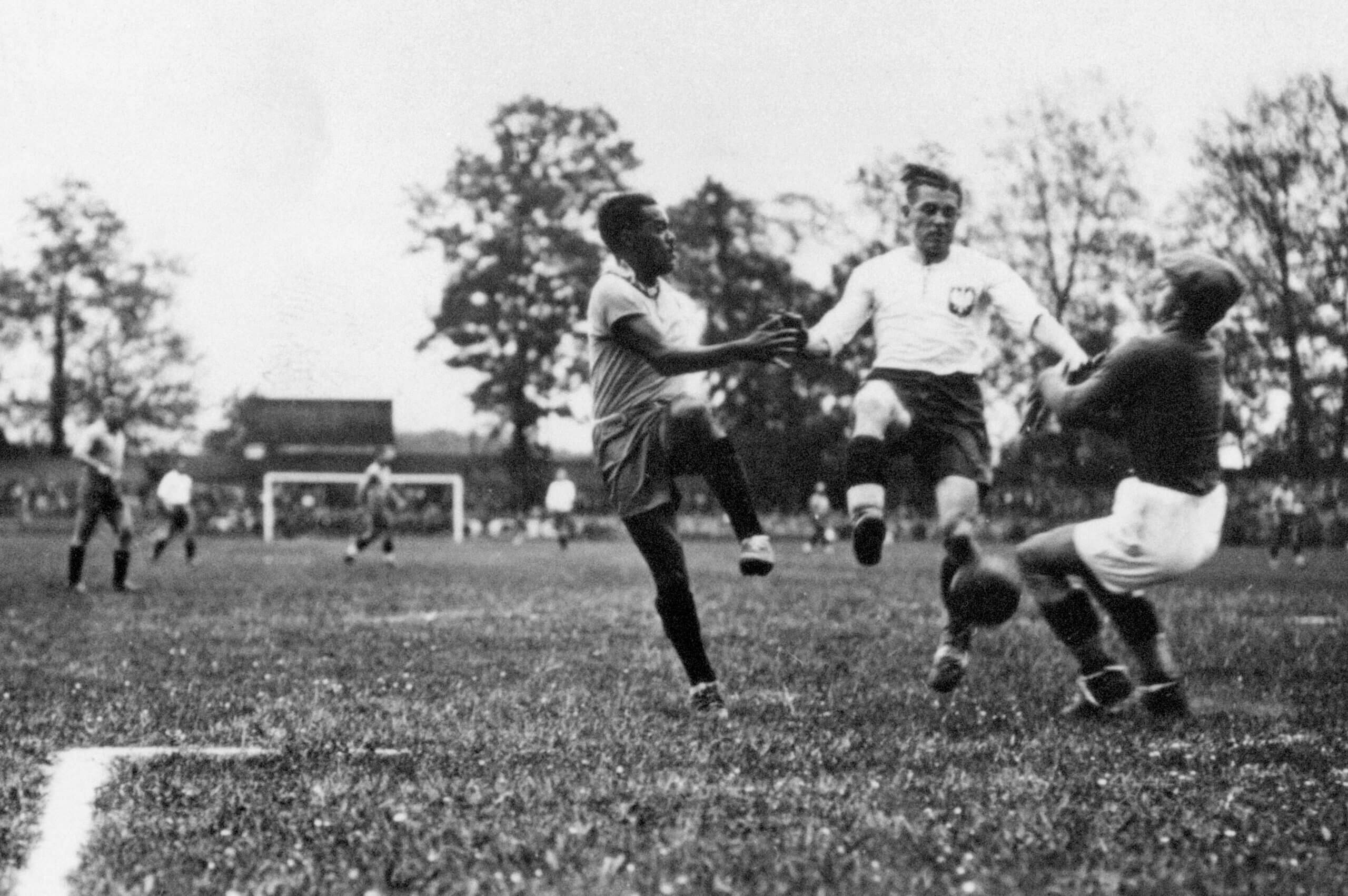
Ernst Wilimowski was a remarkable footballer whose story contains remarkable achievements and controversies. Born in 1916, Wilimowski scored four goals in a single World Cup match against Brazil in 1938, set a German Cup record, and reportedly scored 1,000 times during his career. Yet, his name is not well known, overshadowed by the complex nationalities and allegiances during his time.
Early Life and Career
Wilimowski’s life began in a region with a complex national identity, Silesia. His early years saw Silesia change hands several times due to geopolitical shifts. Born to a German mother, he grew up speaking German. The area switched from German to Polish control in 1921 and back to Germany before finally becoming part of Poland after World War II.
He began his football career with Ruch Wielkie Hajduki, scoring prolific numbers. By the age of 20, Wilimowski had won two Polish golden boots, with 34 goals in 21 appearances leading his team to titles. His time with Ruch featured numerous scoring records, including an unmatched 10 goals in one match in 1939.
World Cup and Legend
In the 1938 World Cup, Wilimowski’s performance was outstanding. Against Brazil, he scored four goals in a 6-5 loss, which was a rare feat at the time. His scoring ratio remains one of the best in World Cup history, and his ability on the field was unparalleled.
Controversial Decisions During the War
The onset of World War II saw Wilimowski face tough choices regarding his allegiance. Opting for German citizenship, he continued his career under the German flag, a move driven by survival and circumstances. He played for Germany during wartime propaganda matches, scoring prolifically. However, this decision led to him being labeled a traitor by Poland post-war.
A Tainted Legacy
The post-war era saw Wilimowski’s records expunged and his reputation tarnished in Poland. Accusations, both true and exaggerated, portrayed him as an unstable figure. The contrasting narratives about his life and achievements have left a complicated legacy. To this day, opinions differ on whether his football legacy should be acknowledged in Poland.
In Silesia, Wilimowski is remembered fondly with memorials and tournaments. Yet, his association with Nazi Germany during the war affects his recognition, creating a complex narrative of one of Europe’s forgotten football greats.