
The COP climate summits have consistently shown ambition, yet action has often fallen short. As financial strains grow in developed nations, many are stepping back from their climate-funding pledges to developing countries, despite clear calls for justice.
For developing nations, the crisis in the Strait of Hormuz is a pivotal event. Countries like Indonesia, with nearly 300 million people, were significantly affected. Prior to the crisis, 60% of Southeast Asia’s crude oil imports and a third of its gas imports originated from the Middle East. This situation has highlighted the cost of relying on fossil fuels, while environmental issues like rising seas and wildfires driven by El Niño emphasize the broader cost of inaction.
Climate negotiations have long been in a deadlock similar to a prisoner’s dilemma. While individual nations benefited economically from cheap fossil fuels, the global impact has been catastrophic. The crisis in Hormuz has altered this balance. Dependence on fossil fuels is no longer financially viable. Transitioning to renewable energy is crucial for economic security, self-sufficiency, and ultimately, national independence.
Some argue that renewables have been affordable for a while. Yet, they overlook the complexities involved in expanding renewable capacity, transforming energy systems, and moving away from fossil-fuel infrastructure. Developing countries face added challenges, balancing these transitions with urgent needs like poverty reduction and development.
This necessity for change reveals the limitations of the COP process. Even with full adherence to commitments, development banks and donor aid can’t provide the $1.3 trillion annually needed by 2035 for developing countries.
The private sector should help finance revenue-generating renewable projects. However, capital costs in developing nations are two to three times higher than in wealthier countries, often prohibitively so. A system that overvalues the risks in these regions while underestimating the risks of non-investment needs reform.
Reforming the global financial framework to support developing countries is essential, but it requires time we lack. Currently, developing nations contribute over half of global emissions, and this continues, albeit at a slower pace. Larger emerging economies must lead in mobilizing capital. Indonesia has pledged $1 billion to the Tropical Forests Forever Facility, working with Brazil to attract private investment in protecting tropical forests. But more must be done, deploying full financial resources.
Indonesia established a sovereign wealth fund, Danantara, in 2025, consolidating nearly $1 trillion in state assets to support the energy transition. This includes a program to construct 100GW of solar power, beyond the current 88GW capacity. Danantara aims to secure necessary investments, while attracting private capital into renewable projects like converting municipal waste into electricity.
In December, Danantara will participate as a key investor in the New Asia Forum, using public funds to draw private investment in Southeast Asia’s clean energy sector, reducing risks for international investors. The goal is not to fund everything, but to make energy transition financeable on global market terms.
This approach doesn’t absolve wealthy nations of their duty. However, it allows preserving grants for projects with less direct financial return, such as climate change protection. For example, better flood drainage in Semarang can protect livelihoods without significant financial profit.
Indonesia can leverage its financial power. Many smaller developing countries lack this capability, and borrowing would strain their finances. For them, concessional support remains the viable path. Developed countries must adhere to calls like Belém’s to increase adaptation finance by 2035.
Developing nations cannot halt the aspirations of their people while waiting for global financial reforms, nor can the world pause climate efforts until then. Advancing both goals simultaneously is imperative.
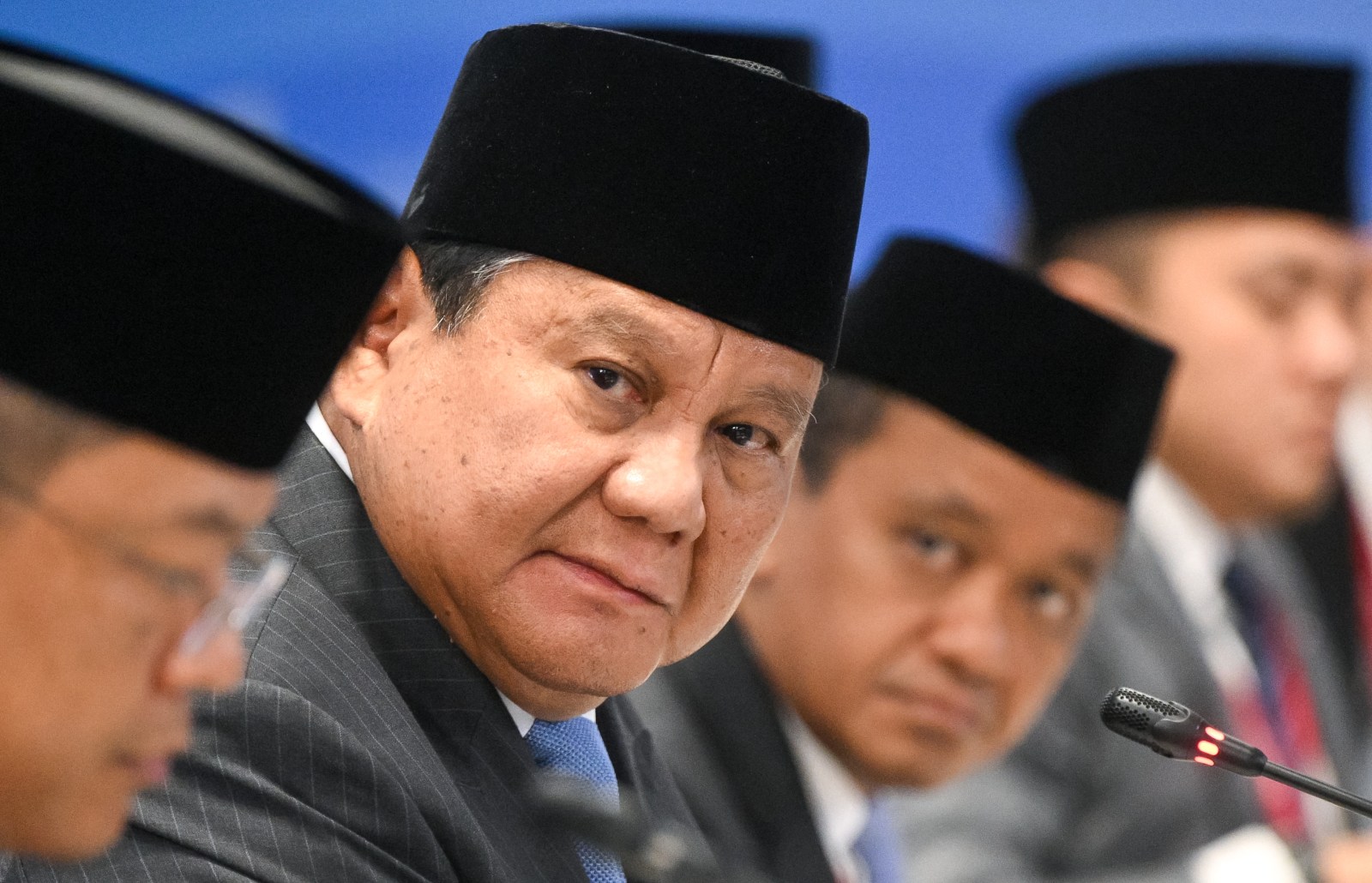
Prabowo Subianto is the President of Indonesia. The views expressed in this article are his own.