
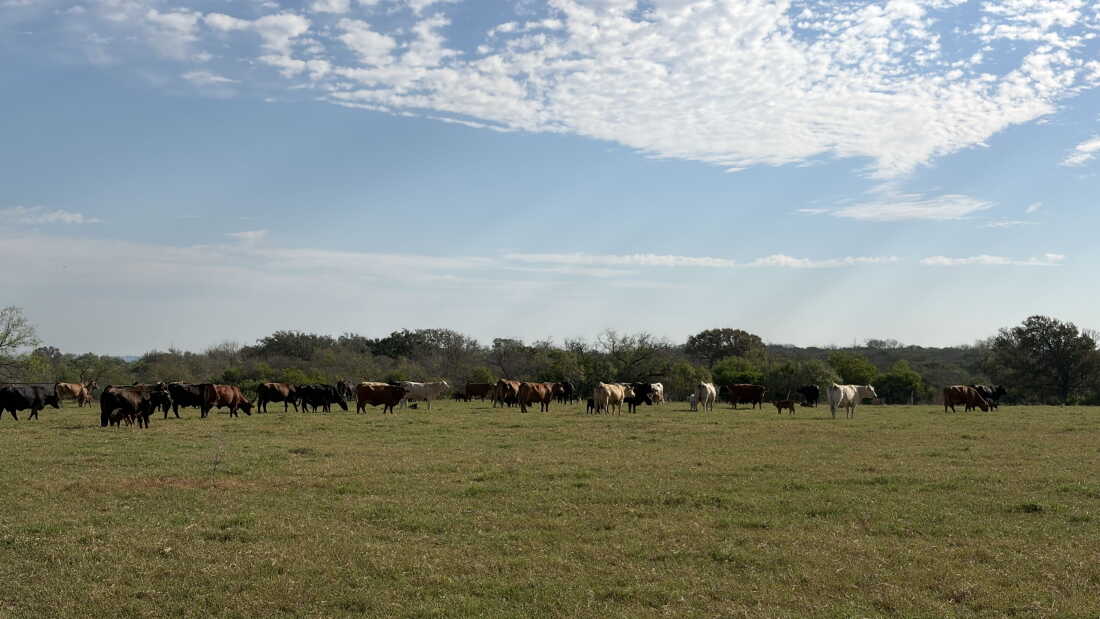
The cost of living is a pressing issue as voters prepare for the 2026 midterm elections. In Texas, the high price of beef highlights economic challenges. Ground beef prices surged to around $7 per pound in August, up by approximately $1.50 since President Trump’s second term began.
Russell Boening, a fourth-generation farmer and rancher near Floresville, Texas, is experiencing the impact of rising fuel costs. He explained to NPR’s A Martínez on his ranch tour that fuel prices influence everything from fertilizer costs to seeds.
Boening, who also serves as the Texas Farm Bureau president, notes that drought conditions have exacerbated the situation, reducing beef supply. Despite this, consumer demand remains strong. In an effort to lower prices, the Trump administration removed tariffs on certain foreign beef imports. Boening acknowledges that although this policy has affected his prices in the short term, he supports measures that could potentially work out for the better.
The experience of farmers following the tariff announcement was mixed. Some reported losses between $400 and $500 per head. Boening conveyed skepticism about the policy’s effectiveness, hoping lessons would be learned as supply and demand dynamics naturally balance.
An analysis from the American Farm Bureau Federation showed ground beef prices decreasing by only 2% after the tariff changes. In Seguin, Texas, consumers shared similar experiences with Martínez. Shopper Sheri Moczygemba stated she prefers paying higher prices for food she enjoys over switching to something she’s less fond of.
Restaurants like Burnt Bean Co. reflect these consumer attitudes. Co-owner Ernest Servantes noted that despite brisket prices reaching $38 per pound, customers were willing to wait up to two hours for a table. Servantes emphasized the customers’ desire for quality over quantity.
The Texas Farm Bureau’s endorsement of Republican candidates for Senate and governor hasn’t secured a consensus among voters. Some, such as Servantes, remain undecided, prioritizing candidates who support the middle class and small business interests.
The full version of the report is available by accessing the audio link provided in the article.