
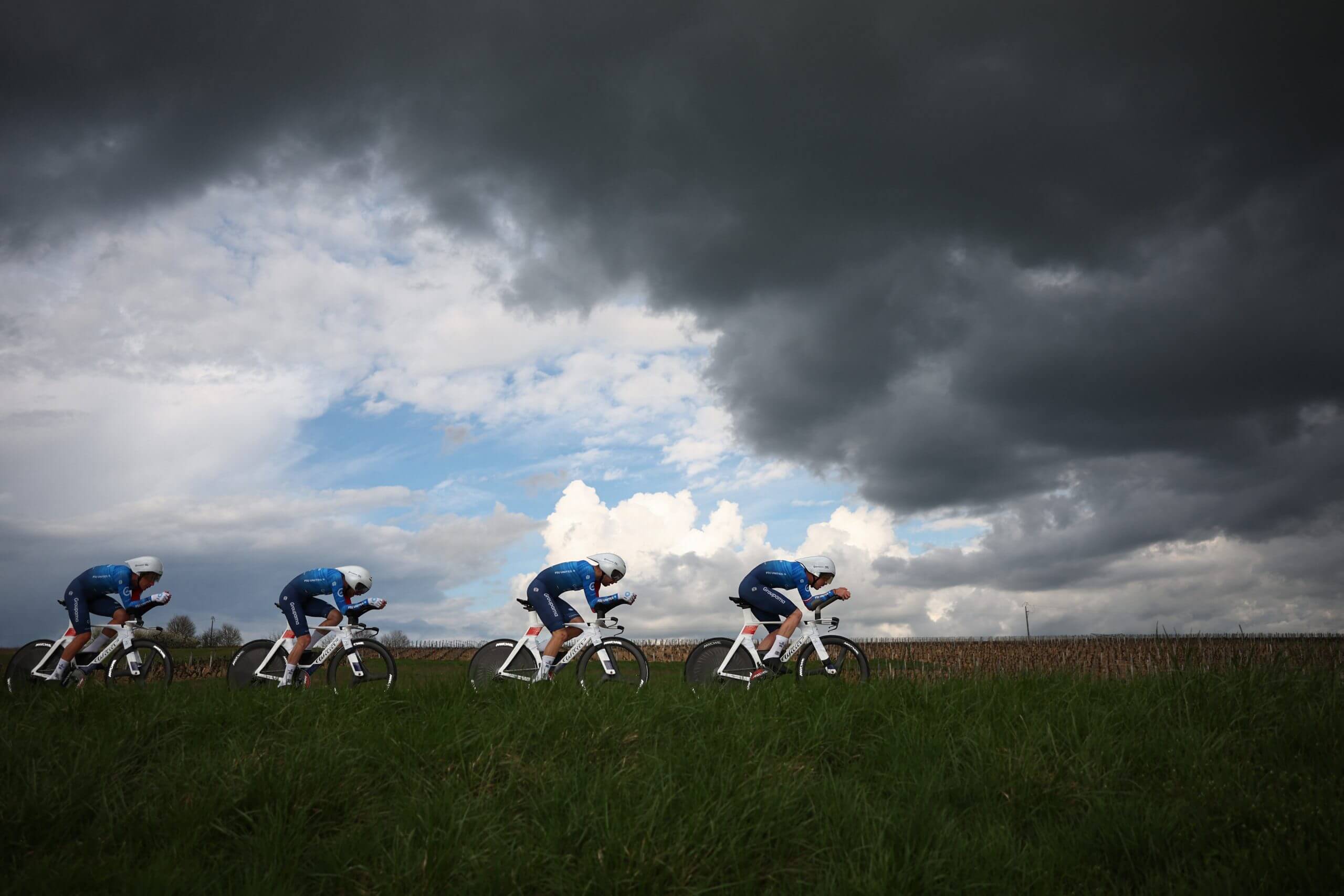
The team time trial (TTT) is a spectacular display of cycling synergy. Helicopter cameras capture the synchronized motion of riders, each in aerodynamic position, transitioning at the front to propel the team faster. Jacob Tipper, EF Pro Cycling performance coach, asserts it as the ultimate team exercise in cycling. Despite this seemingly coordinated effort, hidden challenges such as fatigue and time loss often loom.
The Tour de France’s first stage, a 19.6-kilometer TTT around Barcelona, merges physics with physical endurance. Tipper notes the calculated rhythm required, stating that riders must recover while trailing. The goal resembles enduring a demanding race until the competition tires.
For the first time in over fifty years, the Tour starts with a TTT, altering rules by concluding the clock as the lead rider crosses the line, instead of the fourth. This shift places emphasis on individual times while domestiques aim to ensure the best outcome for their leaders.
Team time trials present a complex yet structured strategy akin to intricate architecture.
Incorporating TTTs demands adept planning by managers, performance coaches, and aerodynamic experts. Tipper predicts that elite teams view this as a prime opportunity to capture the yellow jersey.
The combination of power, strategy, and aerodynamics spells success, yet financial disparities among teams affect technological capabilities. As EF Education-EasyPost’s coach explains, they lack extensive resources for testing aerodynamics in wind tunnels.
Top teams often simulate conditions by renting motor racing circuits to test new technologies and assess course-like conditions minus traffic. For instance, Netcompany INEOS prepared at such a venue prior to triumphing in Paris-Nice.
A TTT demands precise planning. Factors like warm-ups, rider order, and turn duration are meticulously timed. While many teams use race modeling software, Tipper warns of potential overcomplication, advocating reliance on rider instinct.
TTT strategy hinges on the energy reserve a cyclist can expend above their threshold. However, factors like micro-surges and drafting impact energy recovery. According to Tipper, experienced riders often outpace models, as they feel the terrain and speed shifts.
On race day, communication relies on simple signals due to speed constraints. Support vehicles offer guidance, ensuring riders maintain formation and pacing.
The TTT is taxing, requiring riders to maintain minuscule distances at high speeds, testing their skills and resolve. A successful trial requires unity, with stronger cyclists compensating to aid their team.
The Barcelona course features flat terrain for the initial stretches, transitioning to inclines. Tipper sees this uncertain segment as crucial. Optimal staging on this gradient can make minor, yet significant, differences.
The potential for mistakes includes mispositioning riders or overextending efforts leading to energy loss. Tipper emphasizes the fine line between victory and defeat often lies in imperceptible speed changes.
As the course reaches its climactic end, leaders channel fresh energy, aiming for the yellow jersey. The collective achievement of winning transcends individual victories, delivering immense team satisfaction.
Despite EF Education-EasyPost’s expertise, Tipper acknowledges the challenging competition in Barcelona. Yet, he stresses the psychological advantage of a strong start, underscoring the team’s capacity and determination to compete.