
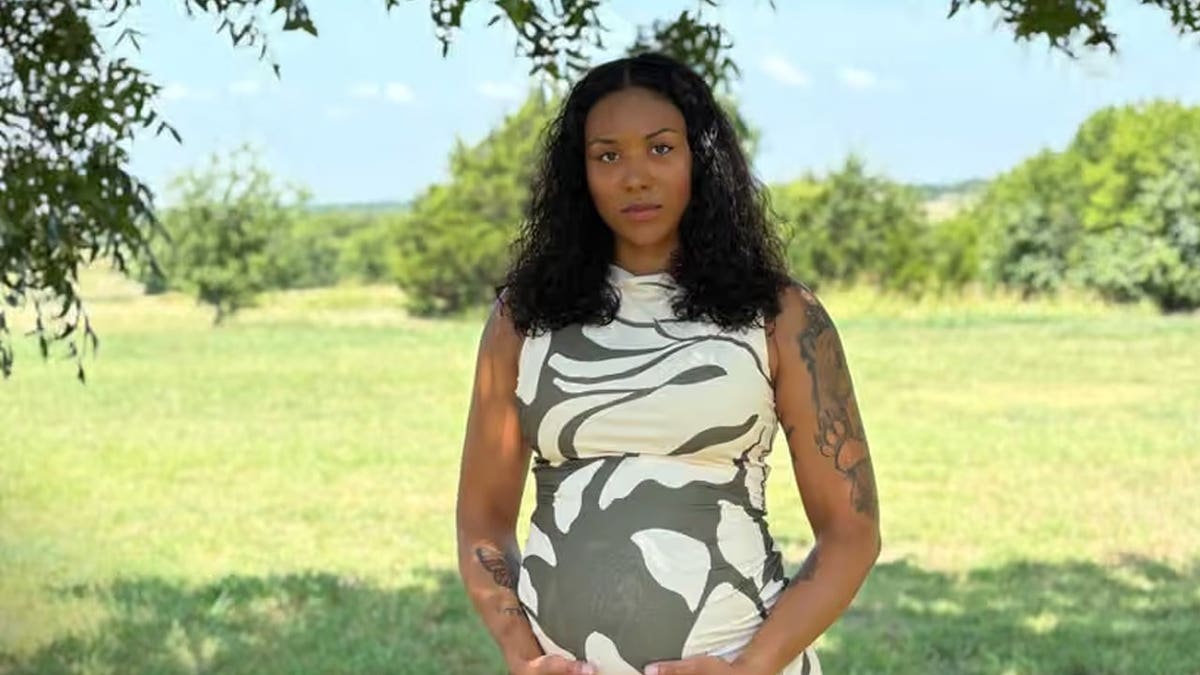
A surrogate from Alaska, McKenna West, has escalated her legal battle to the U.S. Supreme Court. West seeks to overturn a lower court decision that designated a California couple as the legal parents of the baby she gave birth to, despite their request for an abortion following a severe heart diagnosis during pregnancy.
Supreme Court Involvement
West’s attorneys filed an emergency application requesting that Justice Elena Kagan block a ruling from a Los Angeles court. This ruling established the couple, Nausheen Gilkar and Omar Ahmed, as the baby’s legal parents. Justice Kagan, overseeing emergency matters from the Ninth Circuit, has yet to make a decision on this request.
The Surrogacy Agreement
Under the surrogacy agreement with Gilkar and Ahmed, West carried the baby, whom the couple named Rumi and West calls Gabriel. The baby was diagnosed with hypoplastic left heart syndrome (HLHS), a condition where the left side of the heart is underdeveloped. Upon diagnosis, Gilkar and Ahmed purportedly requested an abortion, citing a fetal abnormality clause in their agreement. West refused, offering to either adopt the baby herself or find an adoptive family, proposing that the couple could cease further financial obligations.
Legal Proceedings
Following West’s refusal to terminate the pregnancy, Gilkar and Ahmed sought a California court to affirm their parental rights. West contended that the matter should be handled in Alaska based on the surrogacy agreement’s terms, and she only engaged with the California court to contest jurisdiction. The California court, however, interpreted her 147-page filing as implied consent to their jurisdiction.
West also claims she was improperly served with legal papers, which were delivered to her babysitter via FedEx without a clear explanation of the contents. Despite her efforts, West’s appeals in three state courts to halt the ruling declaring Gilkar and Ahmed as legal parents have been unsuccessful.
Ongoing Battle in Texas
After the birth in Texas, the state’s Attorney General, Ken Paxton, secured an order ensuring that the hospital provided life-saving measures and preventing the baby from being removed from Texas. The baby, born on August 12, required immediate medical interventions, including multiple surgeries.
West’s brief contact with the newborn was interrupted by legal restrictions barring her from further interaction. Meanwhile, the intended parents maintain their presence with the child, reiterating their commitment despite accusations of neglecting the child’s need for medical care.
Supreme Court Request
West’s current appeal to the Supreme Court aims to reengage her in the Texas legal process without deciding final parental rights or specific medical treatments. Her attorneys express concern that any delay might result in irreversible consequences for the child.
Her legal team argues that procedural terms should not prevent a surrogate from contesting parental authority or accessing crucial health information about the child. They are pushing for a temporary block of the California ruling, hoping to re-enter the case in Texas.
This ongoing legal conflict highlights complex ethical and legal issues surrounding surrogacy, especially when unforeseen medical conditions affect the anticipated agreements between parties.