
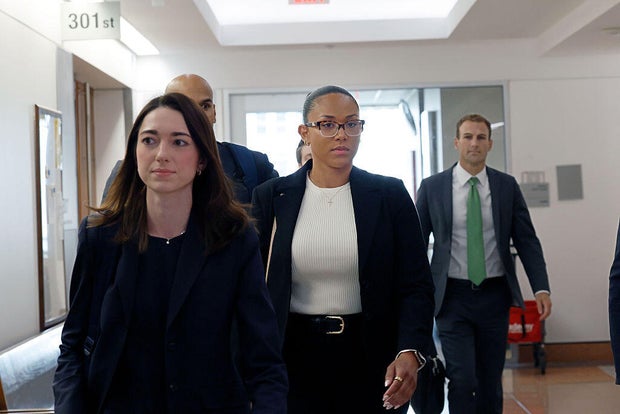
The U.S. Supreme Court has been asked to intervene in a custody battle involving a surrogate mother and a California couple. The surrogate, McKenna West, is challenging a court decision that favors Omar Ahmed and Nausheen Gilkar, the couple seeking recognition as the parents of the 4-week-old child born with a severe heart defect.
West, a nurse from Alaska, gave birth in Dallas on August 12. The child was diagnosed with hypoplastic left heart syndrome, a condition impairing normal blood flow. Despite Texas laws banning most abortions, West carried the child to term, resisting the couple’s request to terminate the pregnancy at 23 weeks.
“It was scary to think that something might be wrong, and that I may not be able to make a decision about the treatment,” West stated in an interview.
The newborn underwent surgery shortly after birth. The Texas Attorney General’s office intervened with a court order for medical care, but West maintains that the couple does not intend to continue with life-saving treatments.
Legal complexities arise from varying surrogacy laws across states, which are not federally regulated. The Supreme Court’s involvement is uncertain, and Ahmed and Gilkar have refrained from commenting publicly.
During a Dallas court hearing, Gilkar accused West of being “mentally unstable” and trying to “take their baby away.” The Texas court ruled the couple, not West, responsible for medical decisions. West acknowledges withholding access to the child’s medical records.
The hearing revealed West’s willingness to drop custody claims if the couple ensured care for the child’s condition; Gilkar denied accusations of neglecting medical treatment. Emotional conflict emerged as Gilkar asserted, “He’s our child.”
West’s plea to the Supreme Court argues that California’s judgment dismisses her plea for conservatorship in Texas. She contends that Ahmed and Gilkar may opt for hospice care in California instead of surgeries that could save the child’s life.
Complications of hypoplastic left heart syndrome may require further surgical interventions. The CDC notes that without treatment, the condition can be fatal within days or weeks. The Cleveland Clinic indicates subsequent surgeries are necessary as the child grows.
As legal proceedings unfold, both sides remain quiet, with court files sealed regarding the case. The stakes are significant, yet experts like attorney Marla Neufeld suggest the Supreme Court rarely engages in family disputes.