
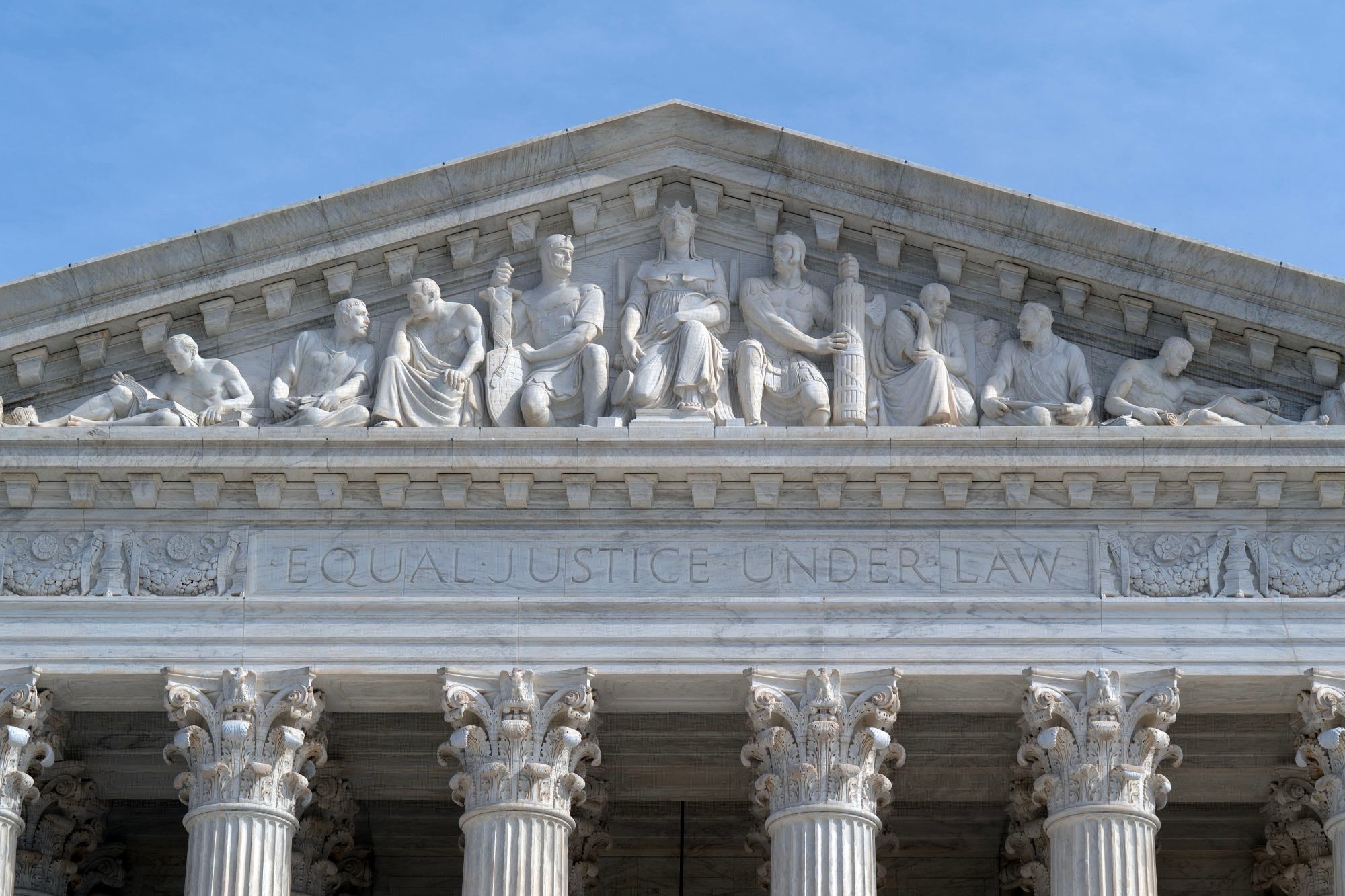
The U.S. Supreme Court has drawn significant attention for its decisions during the October 2025 term. Several observers argue that its rulings highlight the political nature of the court.
Conservative law professor William Baude notes the court has made decisions that don’t align with simple partisan expectations. Despite concerns about former President Trump’s influence, the court ruled against his interests in the birthright citizenship, tariffs, and voting by mail cases. Baude argues that the court does not merely serve as a rubber stamp for presidential wishes.
Legal commentator Elie Honig attributes some 6-3 or 7-2 decisions this term to variations in judicial methodology rather than political motivation. Honig highlights cases such as National Guard and Mifepristone decisions. Nonetheless, he overlooks instances like the asylum, Temporary Protected Status, and Voting Rights Act cases that favored Trump.
Liberal law professor Stephen Vladeck points out that the court’s conservative majority occasionally diverged from expected positions. He likens this to an arsonist bringing a fire extinguisher. Vladeck finds the term’s outcomes “bleak,” noting that the Democratic appointees were unified in 19 of 20 closely split cases.
The term saw more rulings aligning with Republican appointees in the majority than in previous terms. Chief Justice Roberts played a crucial role in forming coalitions to counter Trump’s most significant power expansions.
Chief Justice Roberts combined Justice opinions to block abuses such as unconstitutional alterations to citizenship and misuse of tariff statutes.
The birthright citizenship case, Trump v. Barbara, reaffirmed that anyone born in the U.S. is a citizen. This decision passed with a narrow 5-justice majority. In what should have been a unanimous or nearly unanimous decision, Trump’s efforts came alarmingly close to success.
Justice Roberts emphasized the 14th Amendment’s role in ensuring citizenship rights, regardless of parental immigration status. In contrast, Justice Alito criticized the majority decision, but Roberts firmly countered his arguments.
The term also featured the Slaughter case, reversing a longstanding precedent to favor executive authority. This decision enhances presidential power over independent agencies, raising concerns about political influence in administrative operations.
Louisiana v. Callais weakened Section 2 of the Voting Rights Act, effectively disenfranchising black voters in the South. The court’s decisions consistently boosted Republican interests and Trump’s executive power.
Overall, the court expanded presidential authority dramatically while maintaining checks where absolutely necessary. Justice Sotomayor criticized this increase in power, noting its historical departure from the principles that guided the Founders.
James D. Zirin, a former federal prosecutor and legal analyst, reflects on these developments. His insights highlight the partisan trends and expanding executive influence evident in the court’s recent term.