
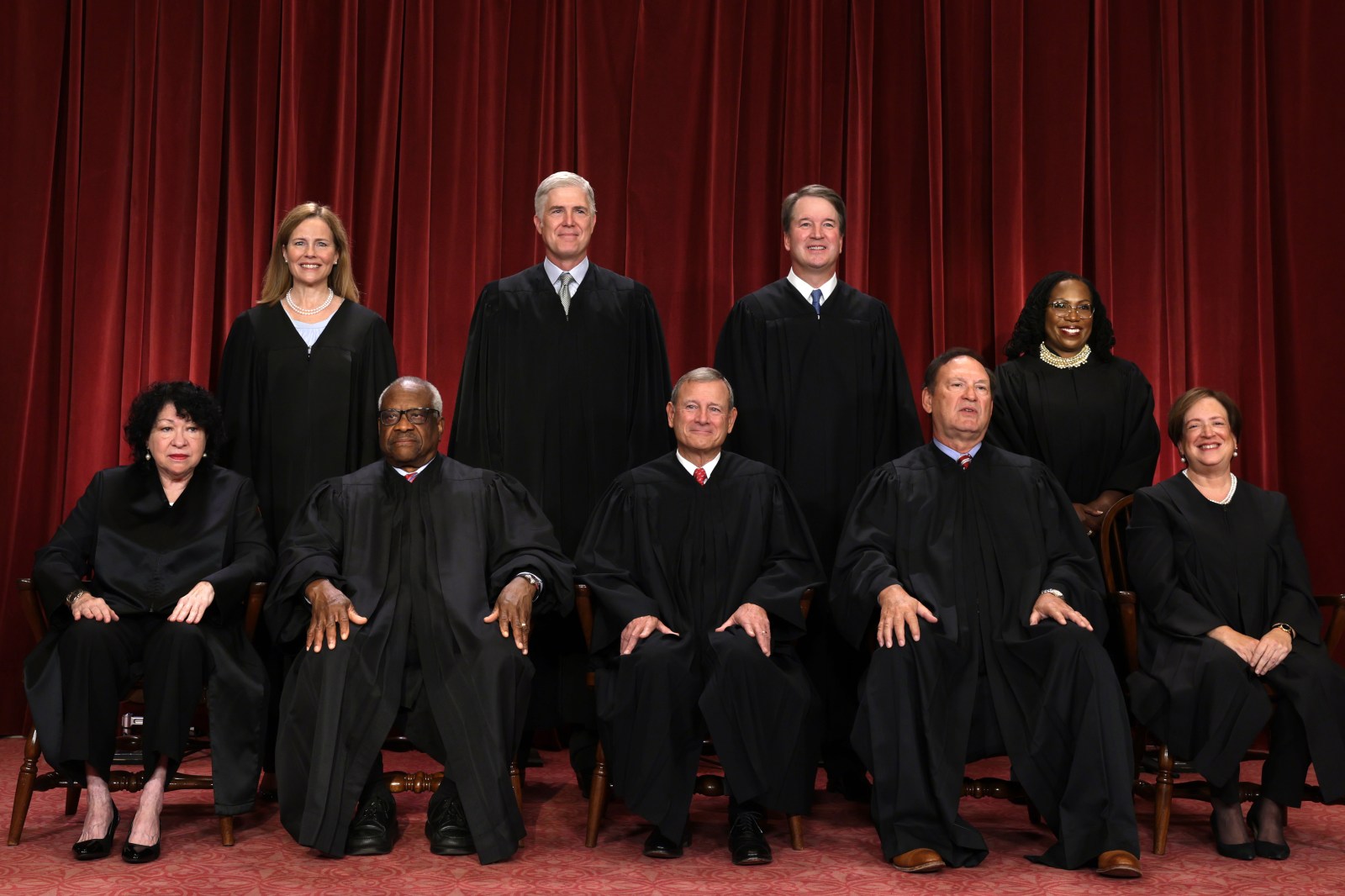
New Supreme Court Term Begins
The U.S. Supreme Court is starting its new term, expected to address significant issues related to the Second Amendment, voting rights, and climate change lawsuits. These rulings could impact major legal questions and influence contentious political matters over the next year. The court faces declining trust as some Americans view it as increasingly political. In the last term, it handled cases tied to former President Trump’s agenda, including tariffs and birthright citizenship.
The court has agreed to hear 29 cases so far, with more likely being added. Here, we examine three critical cases they will address.
Voting Rights: Republican National Committee v. Mi Familia Vota
This case focuses on Arizona election laws requiring voter registration applicants to show citizenship proof. The laws also mandate the removal of non-citizens from voter rolls if evidence arises. The Ninth Circuit previously ruled that federal law overcomes these state laws. The RNC seeks relief, arguing the court should reverse the Ninth Circuit’s decision.
The case considers two issues: whether the National Voter Registration Act prevents Arizona from enforcing these requirements, and if it stops the state from canceling non-citizens’ registrations before federal elections. Paul Collins, a legal studies professor, suggests the conservative majority may rule in favor of the RNC, potentially making voting more difficult.
Second Amendment: Viramontes v. Cook County
The court will also decide if the Second and 14th Amendments protect the right to own AR-15s. Plaintiffs challenge Cook County’s AR-15 ban. They cite Justice Brett Kavanaugh’s opinion that AR-15s are common among law-abiding citizens, suggesting protection by the Second Amendment.
Cook County defends the ordinance, labeling assault weapons as designed for war with no place in communities. Collins expects the court’s conservative majority to invalidate the AR-15 ban, benefiting gun-rights advocates.
Climate Change Lawsuits: Suncor Energy v. Boulder County
Boulder County sues Suncor Energy, claiming fossil fuels caused local harm from climate change-related extreme weather. The court will determine if federal law precludes state claims for damages due to greenhouse-gas emissions. Justice Samuel Alito recuses from the case, having ownership interests tied to involved parties.
Alito’s absence’s significance is debated by Collins, who predicts the court might aid energy companies. A tie would mean the plaintiffs prevail. The ruling could affect numerous similar lawsuits requesting compensation for climate-related costs.
Supreme Court Faces Trust Issues
A recent Gallup poll reveals only 34% approval for the Supreme Court. Opinions divide along partisan lines, with higher support among Republicans than Democrats or independents. Collins sees the term’s cases as an opportunity for the court to address its perception of partisanship.
Some justices acknowledge trust concerns. Justice Ketanji Brown Jackson criticized the emergency docket, where cases bypass standard procedures. Justice John Roberts warned about overruling precedent without care, highlighting the court’s influence on legal stability.
Former President Trump expressed dissatisfaction with the court, especially regarding its decisions affecting elections and citizenship. He criticized the court’s impact on tariffs and citizenship cost the country heavily.