
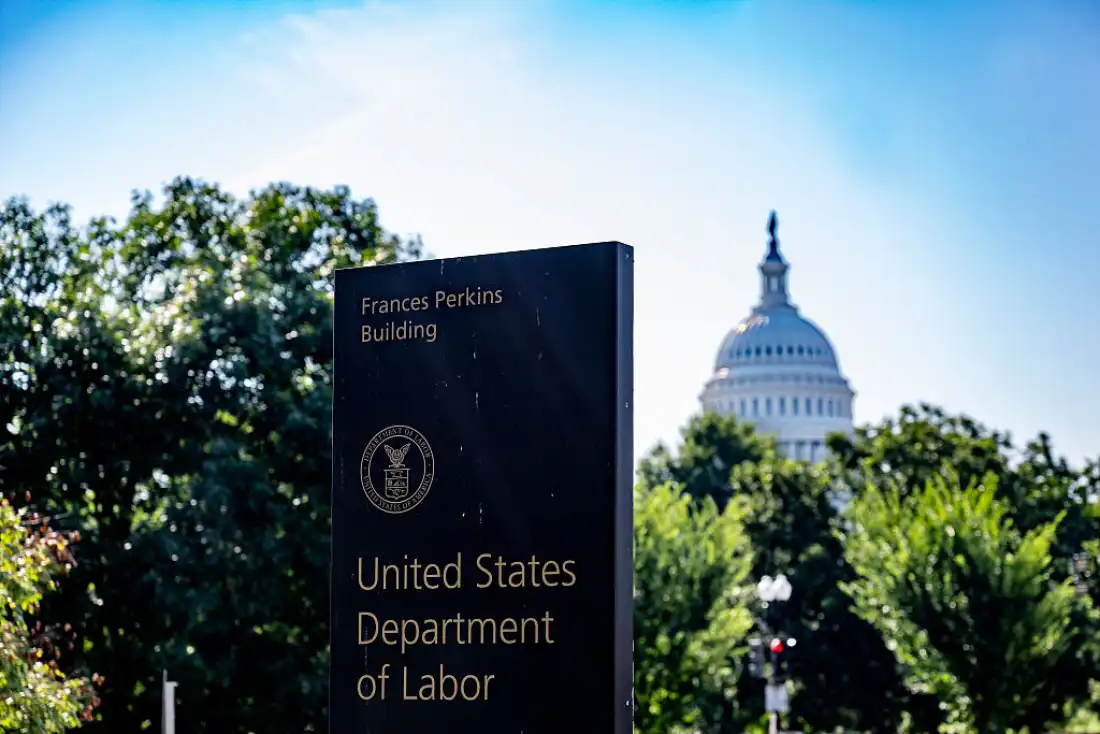
The U.S. Supreme Court is divided over a case that could significantly impact federal regulatory agencies. The case examines these agencies’ power to impose fines on businesses that breach federal laws.
The Department of Labor plays a crucial role in regulating immigration programs that allow farm owners to hire migrant workers temporarily. Farmers must offer fair wages and basic needs, including housing, meals, and water. These regulations prevent foreign labor from undercutting domestic workers. Sun Valley Orchards, based in New Jersey, faced a $500,000 fine for unsanitary conditions, such as unsafe drinking water and overcrowded housing. Sun Valley disputes the fine, arguing that the Department’s administrative sanctions are unconstitutional and bypass the right to a jury trial.
During Tuesday’s session, Chief Justice John Roberts suggested that both the Trump administration and prior administrations may have overstepped executive power. Roberts questioned Deputy Solicitor General Sarah Harris, representing the Labor Department, about exceeding justified authority. Justice Sonia Sotomayor raised the issue of federal courts enforcing laws instead of agencies like the Labor Department. Harris stated that requiring all civil penalties to go through Article III courts would be a ‘nuclear option,’ potentially disrupting numerous federal programs like Medicare and the student loan system.
Justice Elena Kagan questioned why cases shouldn’t always be moved to court. Harris responded that such a system would lead to massive under-enforcement due to limited resources. Robert Johnson, Sun Valley Orchards’ lawyer, argued that fines should be adjudicated by federal courts, not administrative agencies. Justice Ketanji Brown Jackson noted that Johnson was opposing Congress’s intent to protect domestic workers from being undercut by migrant labor.
Justice Brett Kavanaugh critiqued the proposal for lacking clear logic, while Justice Samuel Alito described it as a confused approach. Justice Kagan humorously countered, noting that the Supreme Court doesn’t issue such vague opinions.
In her rebuttal, Deputy Solicitor General Harris conceded that a ruling against the government would be significant but emphasized that it might create chaos. If the decision necessitates it, she noted that the administration would have to consult Congress.