
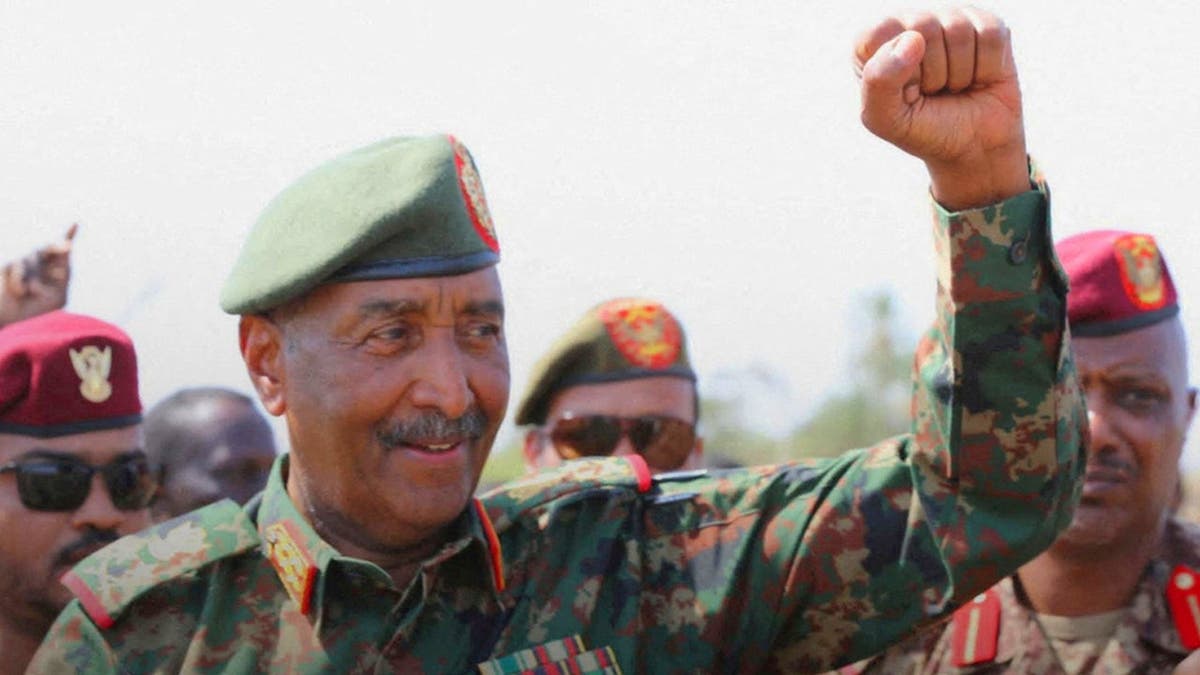
At the United Nations, Sudan’s military leader openly stands against a U.S.-supported ceasefire attempt. General Abdel Fattah al-Burhan, Sudan’s armed forces head, has expressed defiance after the U.S. denied his visa for the UN General Assembly. This highlights a growing rift over a conflict that is both a humanitarian disaster and a regional power struggle.
Burhan, initially expected in New York, reacted strongly from Khartoum. He refused to accept conditions or permits for international travel. The State Department has criticized both Burhan and the rival Rapid Support Forces (RSF) for not committing to a truce. They argue neither group legitimately governs Sudan, intensifying their combat actions instead of seeking peace.
Dr. Amjad Farid Al-Tayyib, an advisor to Sudan’s Transitional Sovereignty Council, countered these allegations. He claimed Sudan did not reject the U.S. ceasefire proposal but offered technical comments. Farid blamed Washington for hindering diplomatic processes by restricting the Sudanese delegation’s travel.
A State Department spokesperson emphasized broader diplomatic coordination involving Egypt, Saudi Arabia, and the UAE. They aim for a humanitarian truce linked to a permanent ceasefire and transition to civilian governance.
U.N. Secretary-General spokesperson Stéphane Dujarric addressed the visa denial issue. He confirmed raising the matter with the U.S. authorities, highlighting diplomatic concerns from the United Nations.
Cameron Hudson, a former U.S. official, reported that Washington linked Burhan’s visa approval to signing the ceasefire agreement. This decision has sparked confusion as it seemed last-minute, affecting negotiations.
The backdrop to these tensions is a brutal civil war originating in April 2023. The power struggle between Burhan and RSF’s commander, known as Hemedti, has led to mass casualties and severe humanitarian crises.
Hudson noted significant distinctions between the opposing forces. He described the RSF as committing severe human rights violations, including war crimes on a large scale. U.N. investigations support these claims, outlining the extensive impact of the conflict on civilians.
Interventions have also drawn regional actors into the conflict, with various countries providing support to competing sides. This involvement complicates efforts to achieve a stable ceasefire, especially regarding Sudan’s strategic Red Sea coast.
Marco Rubio, U.S. Secretary of State, pointed to foreign powers as sustaining the war and expressed frustration over failed humanitarian efforts. He stressed that lasting peace requires those countries to influence their allies in Sudan.
Efforts to resolve the conflict face many challenges. Despite international focus, significant diplomatic engagement remains essential to restore peace and transition Sudan towards civilian rule.