
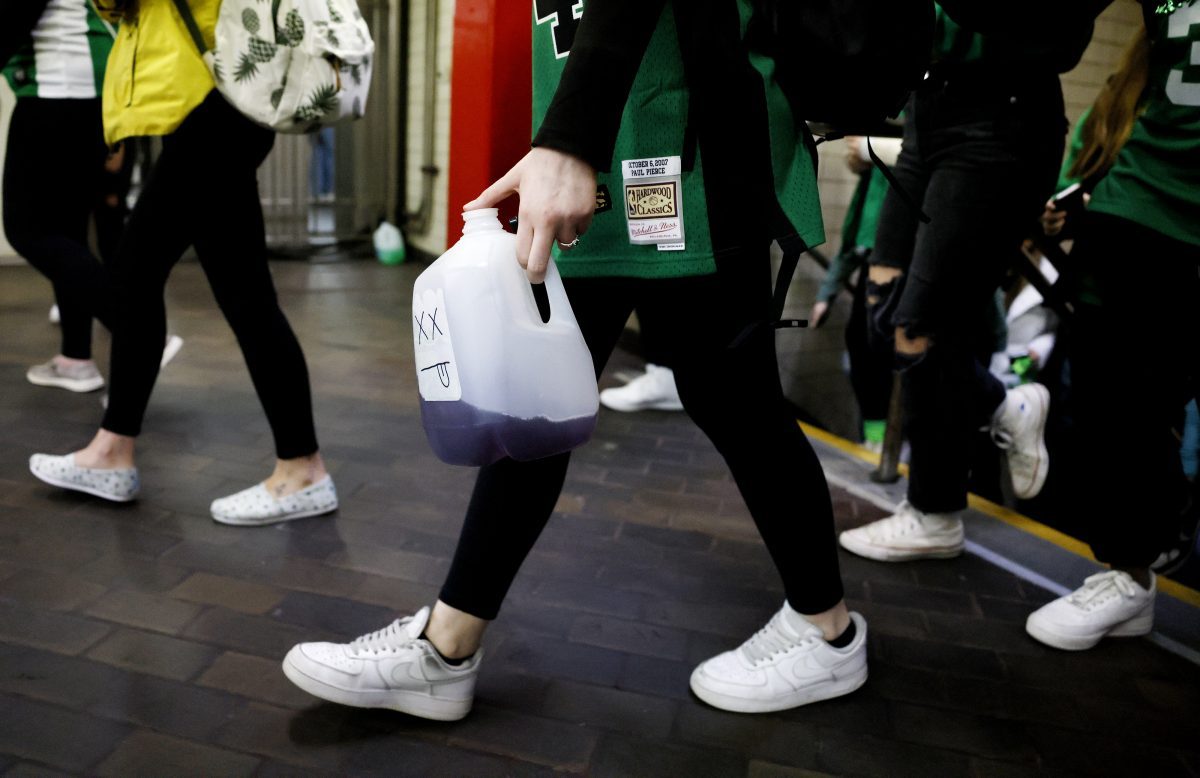
A recent study examining borgs (black-out rage gallons) on U.S. college campuses has highlighted concerns over their role in promoting harmful drinking behaviors. Despite some users believing borgs to present less risk, the trend has gained traction, potentially fueling excessive alcohol consumption.
Borgs are essentially large cocktails prepared at home, combining liquor, water, vitamin or electrolyte supplements, and flavorings. Users carry them to parties or tailgates, typically in repurposed milk jugs, to sip throughout the day.
Popularity and Appeal:
Initially popularized in the early 2020s, borgs spread through social media. Enthusiasts claim borgs allow control over ingredients, avoiding tampered shared drinks, and reducing contamination risks. Amelia McCoun, a licensed professional counselor at Texas Tech University, observed that these drinks offered a tool for harm reduction. Students could mix drinks with reduced alcohol content or none at all, maintaining appearances while avoiding over-consumption.
Risks and Study Findings:
However, concerns about borgs’ potential danger remain substantial. The University of Chicago’s Department of Psychiatry conducted a study published by Rutgers University, revealing alarming statistics. Borg users consumed an average of 9.4 standard alcoholic drinks at events, compared to 6.3 drinks on non-borg days. Additionally, 28% reported getting drunk, 29% blacked out, 59% felt embarrassed, and 17% vomited.
The study also noted previous hospitalizations linked to borg usage, such as the case at the University of Massachusetts Amherst, where numerous students received treatment for alcohol intoxication.
“The mixing of hard liquor and flavorings in BORGs may be harmful due to the sweetness and the temptation to share,”
remarked Andrea C. King, PhD, the lead researcher.
Future Use:
Despite these risks, 68% of survey participants expressed intentions to use borgs within a year, drawn to their social appeal and perceived fun factor. Nonetheless, the study found that claimed benefits—controlling alcohol intake, reducing contamination, and aiding harm reduction—were unsupported.
Copyright 2026 Nexstar Media Inc. All rights reserved.