
Fox News articles are now accessible in audio format, providing an alternative way to engage with the content.
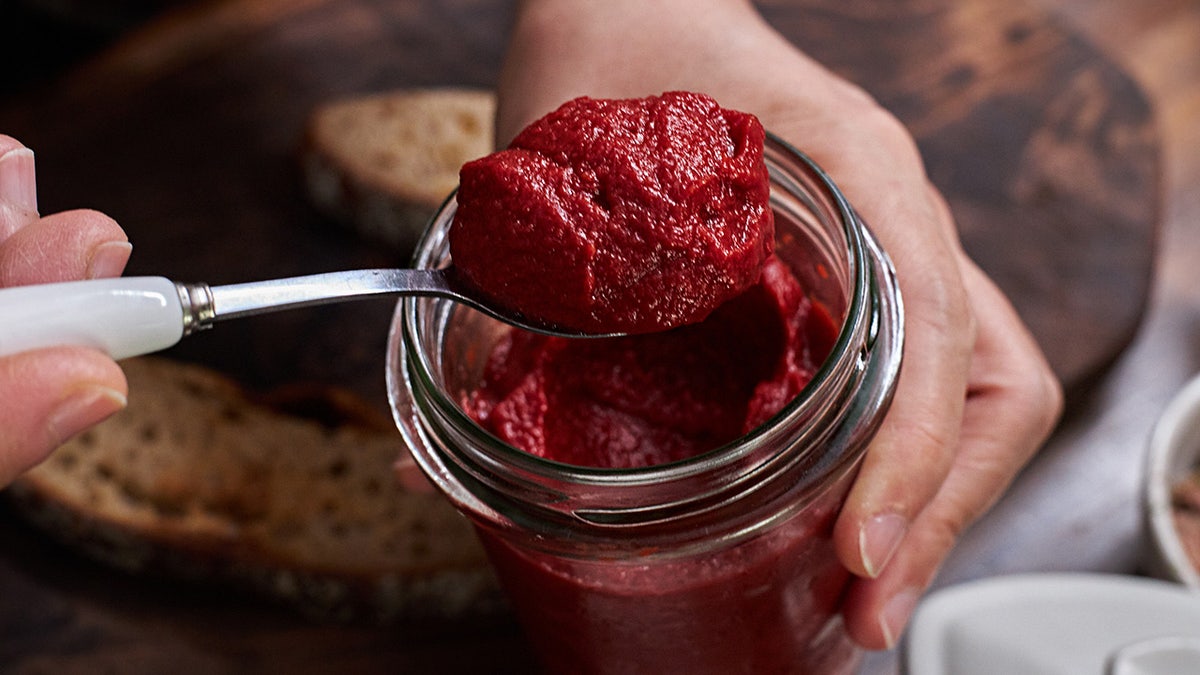
A recent study conducted in Spain suggests that consuming daily tablespoons of tomato paste can enhance cognitive functions such as attention and processing speed. The research involved forty-two healthy adults aged between 40 and 55 years, who consumed two tablespoons of tomato paste daily for three months. Results indicated small improvements in cognitive tests related to concentration, processing speed, and associative memory compared to periods when their diet was low in lycopene, an antioxidant found in tomatoes.
During the study, participants adhered to a low-lycopene diet by avoiding foods like tomatoes, allowing researchers to measure the paste’s effects accurately.
The diet averaged 35 grams of tomato paste daily, correlating to enhanced scores in cognitive tests. The trial implemented a randomized crossover design, wherein participants served as their own controls before and after the tomato paste phase.
Researchers also noted a moderate increase in brain-derived neurotrophic factor (BDNF), a protein linked with brain-cell growth. Brain scans from select participants indicated changes in resting connectivity. These changes suggest potentially more efficient brain communication, though the study’s limited sample size precludes definitive conclusions.
Published in the journal Antioxidants, the study highlights the preliminary nature of these findings, advocating for larger-scale research. Dr. John Showalter, from Linus Health, emphasizes the importance of naturally red foods, suggesting these might support cognitive health. Foods like watermelon, papaya, and red peppers contain lycopene, with tomato-based products offering concentrated amounts.
While tomato paste shows promise, restricted lycopene-rich food intake may negatively impact cognitive function, according to Showalter. He underscores the potential risks associated with low lycopene levels, including increased mortality rates and cardiovascular events.