
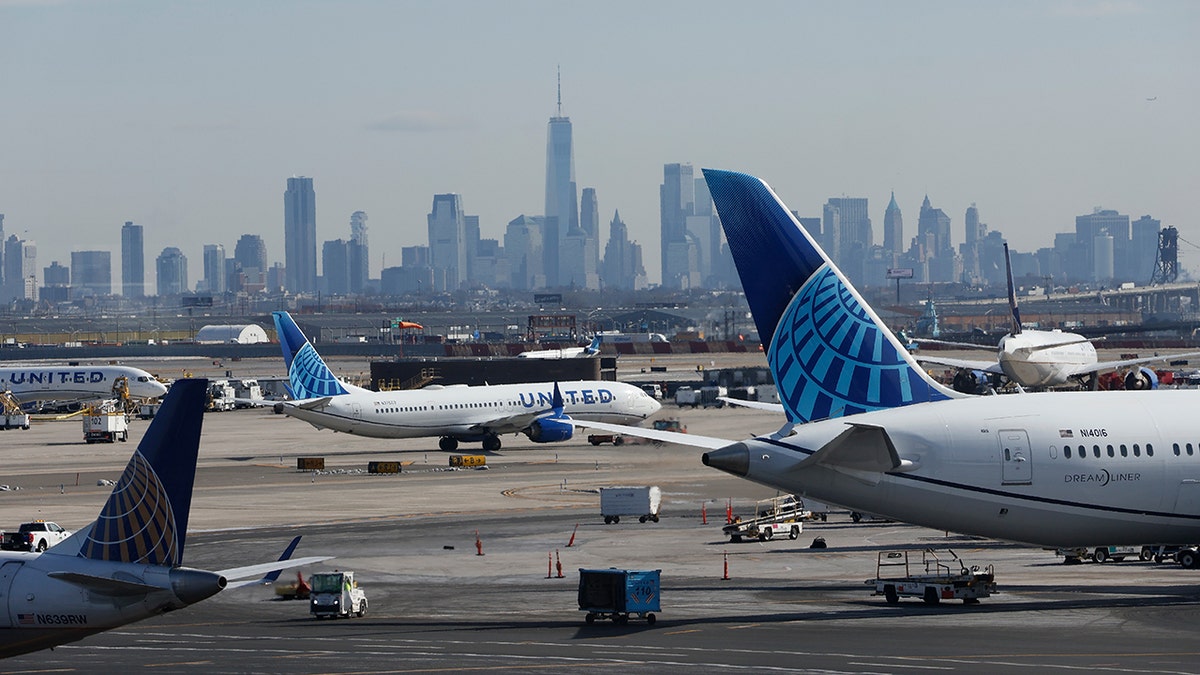
This summer, countless Americans are set to embark on long-awaited journeys, whether for vacations, family visits, or unique adventures. As they move through airports, these travelers rely on a complex aviation system to function seamlessly. They trust that every part is in place to ensure safety, built upon skilled pilots, rigorous training, and standards that flag potential risks.
However, this trust system is now under pressure. Increased air traffic and aging infrastructure, along with narrowing safety margins, create growing concerns. Recently identified gaps in technology compound these challenges.
System Under Strain
Pilots witness the entire spectrum of the U.S. air safety system daily. With the authority to adjust flights for safety reasons, they constantly assess risks. Over the past 15 months, several incidents signaled strain: a fatal midair collision near Washington National Airport, a deadly runway collision at LaGuardia, and numerous near misses highlight this pressure. Additionally, the air traffic control system’s outdated technology and staffing shortages contribute to stress.
Investing in Safety
Modernizing the infrastructure is crucial. Congress initiated air traffic control updates last year, but continuous investment is necessary. Enhancing pilot technology on flight decks is equally important. The currently available ALERT Act takes steps to address safety gaps but lacks comprehensiveness.
Today, ADS-B Out technology provides real-time aircraft data, yet ADS-B In, which displays information to pilots, remains non-mandatory. This shortfall is significant, particularly when government aircraft aren’t required to share the same data as commercial planes.
Comprehensive Safety Investment
The Senate-passed ROTOR Act suggests a full ADS-B In suite, offering advanced tracking and alert systems for pilots. This could prevent collisions, providing crucial moments for pilots to make decisions. Reducing exceptions for non-commercial aircraft and enforcing stricter deadlines will further strengthen safety. Addressing these needs ensures technology advancement and prevents potential tragedies like the one at Washington National Airport.
Although flying remains safe, these gaps suggest the system is under tension. With the summer travel increase, Congress should seize the opportunity to enhance safety layers. Listening to pilots, who experience system pressure firsthand, is essential. Lawmakers should not choose between ROTOR and ALERT but aim to combine the best elements from both.
Capt. Jason Ambrosi, the 12th president of the Air Line Pilots Association, advocates for these changes. His organization represents over 80,000 pilots across the United States and Canada.