
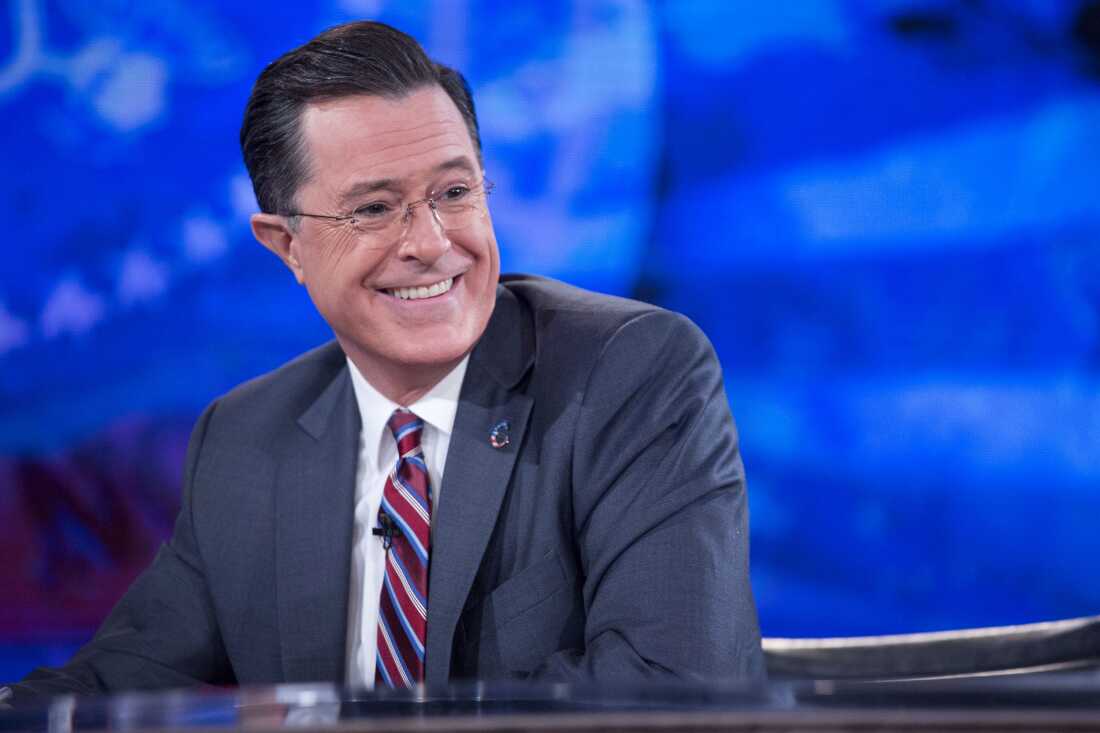
Over two decades and more than 3,000 television episodes across two networks, Stephen Colbert has left an indelible mark on broadcast media. A single word encapsulates Colbert’s legacy as a host and performer: Truthiness. He introduced this concept on the first episode of The Colbert Report, a spinoff of The Daily Show, satirizing TV pundits like Bill O’Reilly by promoting the idea of believing in something based on gut feeling rather than facts. In a segment from that show, he famously quipped, “I don’t trust books. They’re all facts and no heart.”
As The Late Show concludes an 11-year run, canceled by CBS despite leading ratings, speculation abounds that Colbert’s outspoken criticism of President Trump may have influenced the decision. “Stephen Colbert has shown, unlike anyone else in modern late-night television, the power of adhering to the truth,” says Roy Wood Jr., a Daily Show veteran and host of CNN’s satire program, Have I Got News for You. Wood praises Colbert for staying the course, even amid a sensitive era for comedians.
Fellow Daily Show alum Hasan Minhaj, who hosted Netflix’s Patriot Act, notes that Colbert evolved as a satirist while building a rapport with his audience. From his early days as a Daily Show correspondent to the host on The Late Show, Colbert consistently adapted to the cultural landscape. “Stephen constantly met the moment,” Minhaj observes, praising Colbert’s ability to navigate nightly challenges in hosting a show.
A Sketch Comic’s Journey
Colbert refined his satire skills at Chicago’s Second City, working alongside figures like Steve Carell. Their initial break came with Dana Carvey’s sketch comedy show in 1996. However, Colbert’s transformation into a “high status idiot” character that skewered cable news pundits truly emerged on The Daily Show. This persona ridiculed the absurdity of TV punditry, especially within the burgeoning Fox News Channel. Minhaj recalls how Colbert’s effectiveness led to his email being circulated among new correspondents, instructing them on performing satire effectively in field pieces.
With longtime host Jon Stewart, Colbert and other correspondents shaped a new era of satire, fostering a generation of news-driven programs. Colbert’s character from The Colbert Report was so impactful that he testified in character before Congress and delivered a memorable roast of President George W. Bush at the White House Correspondents Dinner. He even fooled former House Republican leader Tom DeLay, who misinterpreted Colbert’s satire as genuine punditry.
Transition to Network Television
David Letterman pioneered CBS’s The Late Show in 1993 after being overlooked for hosting NBC’s Tonight Show. In 2015, Colbert succeeded Letterman, initially struggling to find his unique voice on network TV. He admitted to avoiding overtly topical content early on but later revamped the show with live conventions coverage and added Chris Licht as showrunner. This transition reflected media’s shift toward more authentic voices, as seen in podcasts and cable TV.
Colbert’s personal touch on The Late Show, candidly discussing his family, passions like The Lord of the Rings, and Catholic faith, resonated with audiences despite political divisions. Bill Carter, a longtime TV critic, suggests modern media’s algorithm-driven nature may restrict late-night shows from appealing across political lines. Unlike Johnny Carson’s era, today’s hosts must take clear stances, a demand shaped by current global events.
Looking Ahead
As The Late Show wraps up, Colbert announced a new project, collaborating with his son on a Lord of the Rings movie. Minhaj and Carter suggest a Broadway one-man show could be an ideal next step, blending storytelling, humor, and sincerity. Despite CBS’s decision to replace Colbert’s show with Comics Unleashed, Carter anticipates a boost for Jimmy Kimmel’s show from Colbert’s departure.
Stephen Colbert, now 62, may yet redefine his unique style to address today’s absurdities. The demand for his incisive satire remains strong, as media and culture continue seeking voices that courageously challenge the status quo with truth-based humor.