
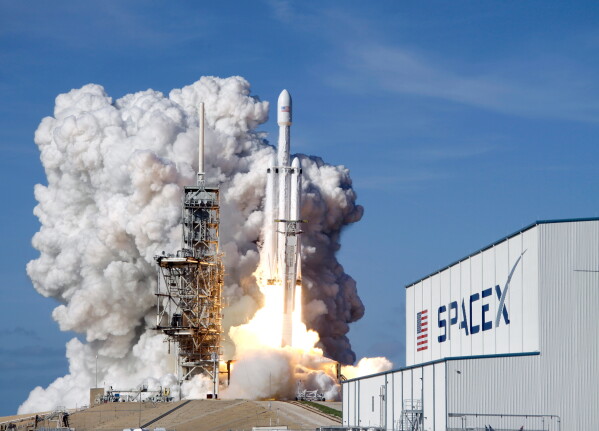
Elon Musk’s company, SpaceX, steps into Wall Street this Friday. Investors eagerly await the sale of 555.6 million shares priced at $135 each. Proceeds are expected to reach around $75 billion, possibly making SpaceX the largest IPO ever. Musk, already the world’s wealthiest individual, may become the first trillionaire. SpaceX aims to pioneer human travel to Mars, with Musk’s future earnings tied to building a colony of one million people on the planet.
Reasons for Going Public
During a video call with JPMorgan CEO Jamie Dimon, Musk explained his choice to go public. For over a decade, advice has pointed towards a public offering. The timing aligns with SpaceX’s plan to launch 100,000 Starlink satellites. Establishing AI data centers in space demands capital, making IPO the solution. However, becoming public brings higher scrutiny and regulatory demands, like quarterly financial disclosures. Critics argue this may focus companies on short-term gains.
Impact of the IPO
Musk will control a majority of special shares, maintaining authority over major decisions. He remains CEO due to his ownership status. The loss of Musk, however, could harm company strategy and important relationships. Replacing him is seen as challenging. Concerns stem from pensions, like those of California and New York’s firefighters and teachers. Their representatives criticized some IPO aspects, fearing Musk’s grip over company decisions.
Challenges for SpaceX
The Starship rocket, in testing, is crucial to SpaceX’s goals. The aim is swift, reusable flights essential for satellite deployment. Delay or increased costs risk customer loss. Considering reusable rocket innovation, SpaceX leads against competitors like Blue Origin. Starlink competes with firms like AST SpaceMobile, using SpaceX rockets.
Potential Growth Sectors
The prospectus highlights chances in AI products, foreseeing a $22.7 trillion market. SpaceX aims to outdo AI rivals like Anthropic and Microsoft. Yet, it shows no defined path to profitability in this area.
Wall Street’s Interest
A successful IPO could have SpaceX join the Nasdaq 100, an index of major non-financial firms. Certain funds, including the $460 billion QQQ, mirror this index. Nasdaq has eased entry rules for select companies, unlike the S&P 500’s traditional 12-month wait. Being part of the S&P 500, a key index, holds allure due to substantial funds mimicking it.