
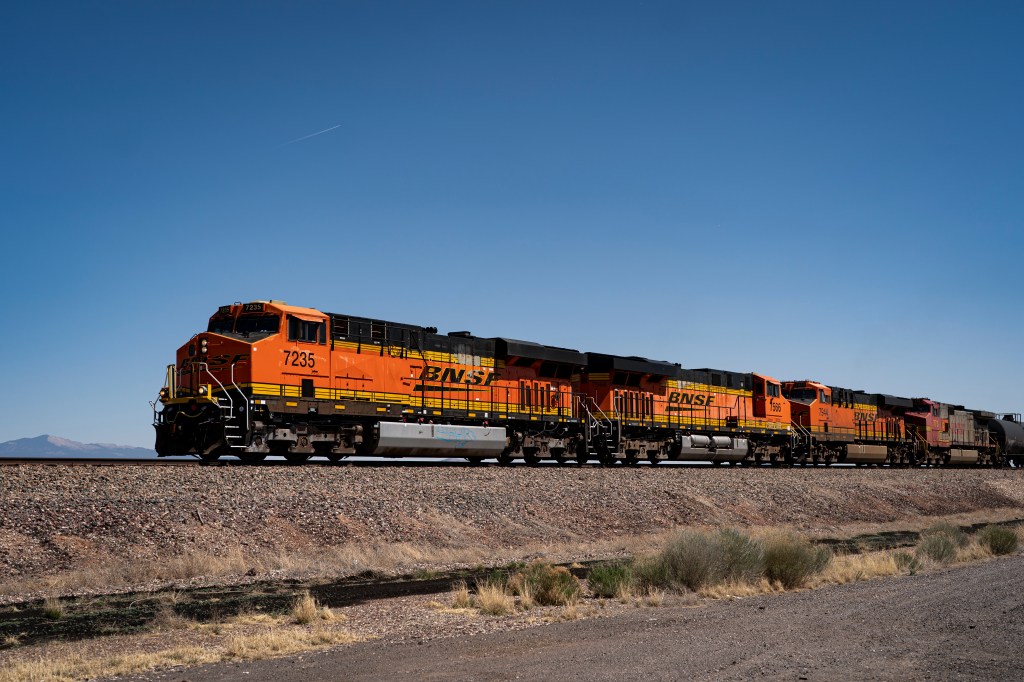
Train robbers are increasingly targeting Southern California’s rail network, executing advanced heists and quickly selling stolen goods. More than 65,000 train thefts occur across the nation annually, with 25% to 40% happening in Southern California, according to investigators.
The stolen goods are valued in the tens to hundreds of millions of dollars. Detectives have noted that many of these crimes go unreported, suggesting the issue may be larger than statistics indicate. Organized crime rings, often linked to cartels, are behind these operations, targeting items like clothing, electronics, and tools that are resold online at discounted prices.
Detective Carlos Monteroso of the LAPD’s Cargo Theft Task Force explained that crews break into containers to find high-value goods. Insiders at the Port of Los Angeles provide information about valuable shipments to crime bosses, who then dispatch teams to intercept trains. With LA managing the busiest container port in the Western Hemisphere, such thefts are frequent but seldom reported on private railways.
As the holiday season approaches, Monteroso warned of increased train thefts, disrupting supply chains for popular gifts. Thieves identify weak points along the tracks, force trains to stop, and have minutes to hours to steal goods before police respond.
The robbers film their activities and post them on social media, boasting about their crimes. Stolen items include Nike shoes, DeWalt tools, and more, which are sold through platforms like eBay and OfferUp. An extensive network of buyers collaborates to flip merchandise, making these crimes highly lucrative.
Monteroso’s team recently solved a million-dollar case involving stolen shoes. A Brooks-Disney shoe collaboration, stolen before public release, was traced to a warehouse filled with various brands. The warehouse owner, Heros Tasci, was arrested for receiving stolen property.
Investigators point to organized crime groups such as the Russian mafia, Turkish crime syndicates, and Mexican cartels leading these operations. A recent bust linked to the Sinaloa Cartel resulted in the arrest of nine individuals and the recovery of $333,000 in goods and weapons.
Authorities acknowledge the difficulty in apprehending major crime figures, as they operate from remote locations. Keith Lewis, a cargo theft expert, mentioned challenges in tracking those responsible, as communication often involves untraceable phones, leaving investigators at a dead end.
Despite deploying technology like drones and cameras, train lines struggle to secure thousands of miles of remote rails. Theft-related violence is a concern, but train lines’ internal police rarely disclose incidents, maintaining confidentiality about their challenges.
A top cargo theft investigator highlighted the vast underreporting of merchandise thefts, potentially exceeding tens of billions of dollars in value nationwide. Reduced penalties for property theft in California complicate turning suspects into informants, perpetuating the problem and shielding top-level criminals from prosecution.