
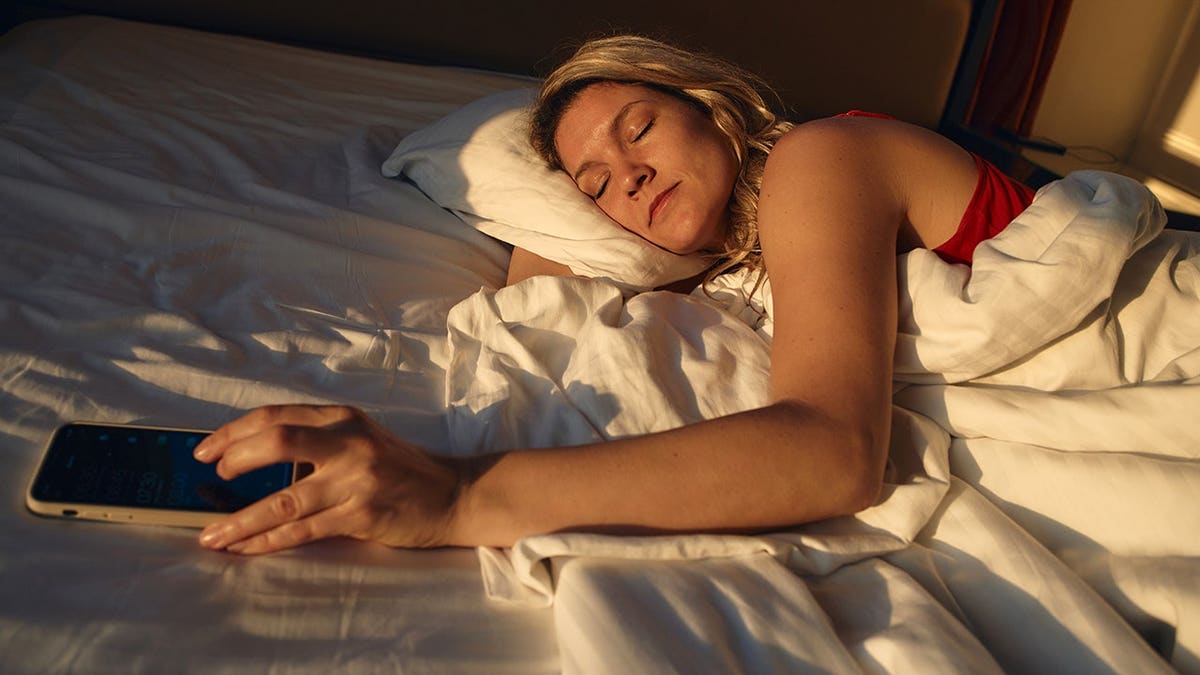
Recent research highlights the significant impact of your neighborhood on your sleep quality. Erin Palinski-Wade, a nutritionist and author from New Jersey, confirms that both household and neighborhood surroundings can affect restfulness. Common disruptors include living with family, pets, and exposure to high-noise environments.
“In noisy environments, adjustments are necessary,” Palinski-Wade advises. She suggests the use of white noise machines to combat environmental noise, especially in busy city areas. Other helpful adjustments include blackout curtains and closed bedroom doors to minimize disruptions.
Beyond the immediate bedroom environment, research shows that a neighborhood’s visual characteristics can influence sleep patterns. A study led by Professor Daisuke Matsushita from Osaka Metropolitan University analyzed over 200,000 Google Street View images using artificial intelligence. This study explored how features like perceived safety, beauty, and noise affect sleep.
Examining 1,089 Tokyo adults living on lower apartment floors, the study discovered that neighborhoods perceived as safer were associated with longer sleep durations. Visual elements such as greenery and enclosed buildings correlated with improved sleep quality.
Conversely, neighborhoods with high walkability, multiple sidewalks, and traffic signs were linked to shorter sleep durations. This could result from increased foot traffic and noise. The study noted that safer streetscapes are beneficial for longer sleep periods among residents.
Matsushita expressed hope that this perspective can inspire healthier neighborhood designs.
Palinski-Wade also recommends blackout curtains to minimize light pollution for better sleep. Environmental factors within the home, including room temperature and open bedroom doors, can also influence outside noise entry.
Research findings suggest the necessity of self-reported data from Tokyo’s working adults, indicating potential memory imperfections. The focus was on lower-floor apartment residents, making it less applicable to residents on higher floors or in rural areas.
To improve sleep, consistency in your sleep schedule is key. Palinski-Wade stresses the importance of maintaining regular sleep and wake times throughout the week, including weekends.
Khloe Quill, a lifestyle writer with Fox News Digital, covers varied topics like health, food, and travel.