
Recent Changes in Senate Race Forecasts
Four weeks prior to the midterm elections, changes in Senate race forecasts favor Democrats. The Cook Political Report shifted Kansas from Lean Republican to a Toss Up, New Hampshire to Lean Democrat, and North Carolina to Likely Democrat. These shifts signal challenges for Republicans as they attempt to retain control amidst a common trend where the president’s party loses seats during midterms. Currently, Republicans hold a narrow majority in both the House and Senate.
Significance of State Trends
Kansas has traditionally leaned Republican. Donald Trump carried the state by a wide margin during the 2024 election against Kamala Harris. Despite this trend, Democrats have maintained influence, exemplified by Laura Kelly’s governorship, even as Republicans control the state’s U.S. Senate seats. In contrast, New Hampshire supported Harris over Trump, indicating stronger Democrat pull. Trump’s victory in North Carolina highlights mixed political dynamics, adding pressure on Republicans.
Impact of Changing Public Opinion
Republican approval ratings face challenges as household affordability issues intensify across the nation. The Cook Political Report now estimates Democrats might gain between two and six Senate seats, requiring four to secure control. Despite hopeful prospects in Michigan and Maine, momentum seems to favor Democrats as Election Day approaches.
Key Perspectives and Forecasts
Republicans face potential loss of the Kansas Senate seat. Roger Marshall, the incumbent, contests against Democrat Adam Hamilton. Polls show Hamilton leading marginally or tied statistically. Agriculture and economic factors, notably fertilizer and gas prices, contribute to the competitive race. Cook dubbed this the “Democrats’ Cinderella story of the cycle.” Prediction markets indicate Marshall’s lead on Tuesday afternoon, although these dynamics keep observers watchful.
In New Hampshire, Democrat Chris Pappas leads Republican John E. Sununu for the Senate seat. Polls drive forecast changes, although the final outcome might be closer than expected. The state hasn’t elected a Republican Senator for over 15 years. Updates from prediction markets reflect Pappas’ lead as well.
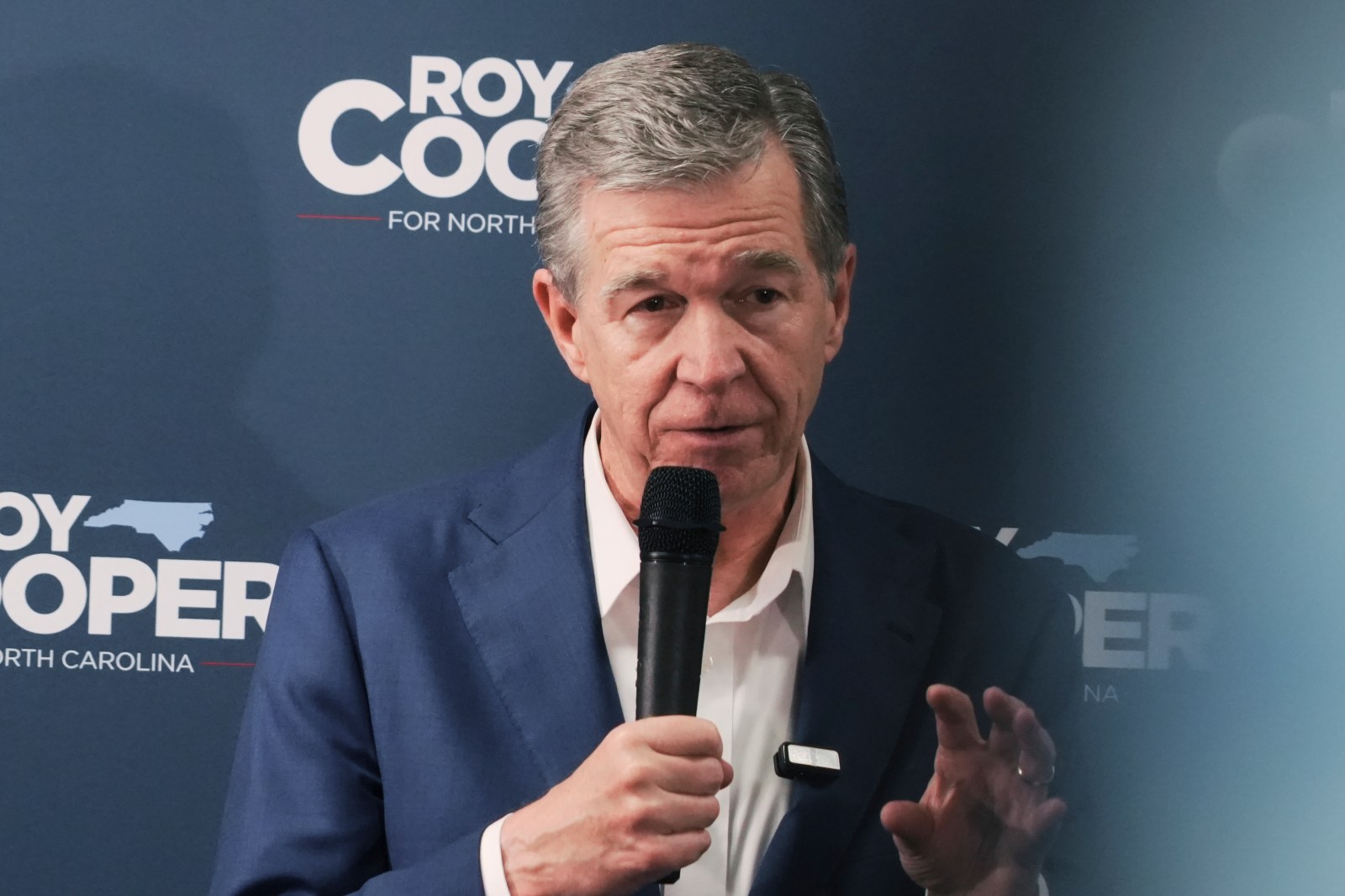
North Carolina’s Senate race reveals Republican nominee Michael Whatley trailing former Governor Roy Cooper in polls. Trump’s concerns about Whatley grew as the Senate Leadership Fund shifted advertising resources. Cooper maintains an advantage in prediction markets. Democrats focus on leveraging Trump’s declining approval to gain momentum.
Expert Insights on Election Trends
Robert Y. Shapiro from Columbia University highlights the favorable shift towards Democrats in the House and potentially the Senate. He notes the importance of retaining control in Minnesota, Michigan, and New Hampshire to maintain Senate leverage. Congressional polls favor Democrats with an 8-point lead or better, while Trump’s rating falls among Republicans and independents. These trends suggest a possible strong refutation of Trump and Republican leadership in the upcoming elections.