
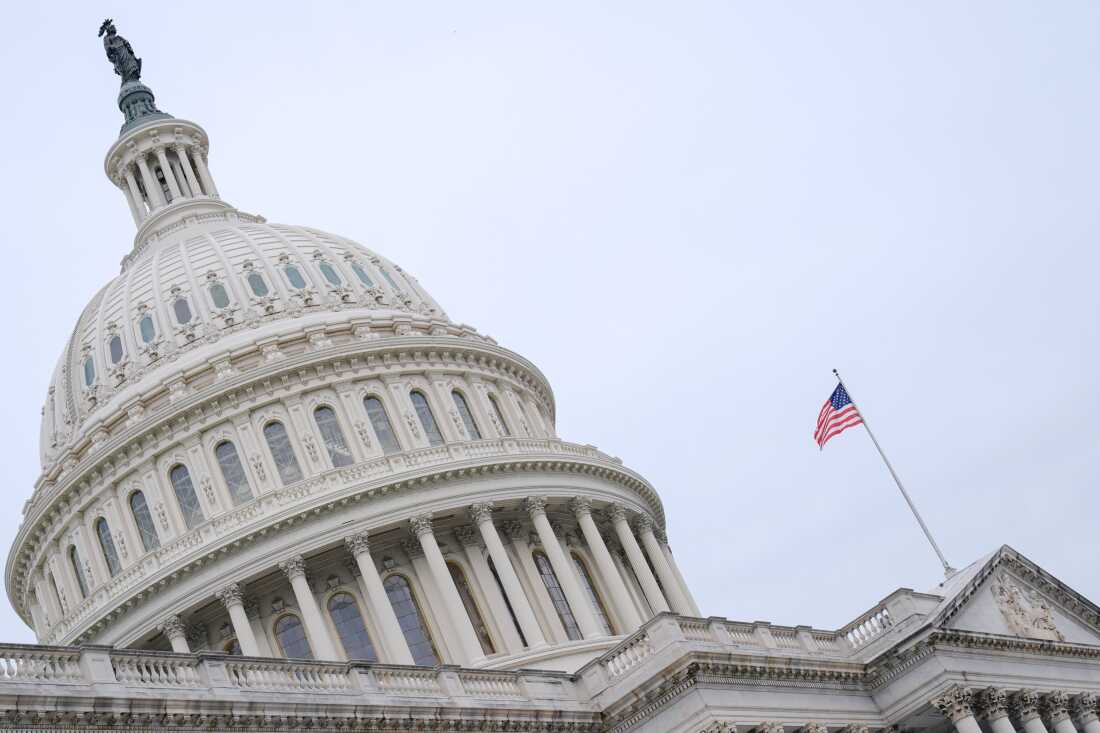
During a recent hearing, members of a Senate subcommittee examined the sports betting industry amid concerns about cheating scandals, marketing strategies, and regulatory challenges. This hearing highlighted the ongoing debate over legalized gambling.
U.S. lawmakers scrutinized representatives from betting companies and prediction market platforms over recent allegations. They discussed how these problems threaten the integrity of sports and urged for stricter regulations. This scrutiny is particularly timely as athletes face accusations of match-fixing, and states are considering tighter rules.
Key Questions and Concerns
Senator Ted Cruz (R-Texas), chairing the committee, posed two critical questions regarding sports betting’s impact: preserving sports integrity and determining if prediction markets comply with state sovereignty laws. Recent alleged incidents include MLB pitchers reportedly accepting bribes and UFC fights canceled over match-fixing suspicions. These situations undermine fan trust, prompting a call for cooperation among leagues, casinos, and regulators to combat manipulation.
Lawmakers also debated the marketing approaches of platforms like Kalshi and Polymarket. Advertising practices targeting young audiences raised concern, particularly with social media ads potentially enticing them to gamble.
Growth and Regulation
The sports betting landscape has expanded significantly, with online gambling legal in 39 states and D.C. since a 2018 Supreme Court ruling. Revenue reached $16.96 billion in 2025, per the American Gaming Association. However, cheating scandals and gambling addiction concerns have sparked demands for further scrutiny. Harry Levant from the Public Health Advocacy Institute highlighted addiction risks, urging bipartisan efforts to address the crisis.
Bill Miller, CEO of the American Gaming Association, defended the industry’s regulations, emphasizing its economic contributions. Meanwhile, Minnesota banned prediction markets, prompting legal challenges. Over twelve other states are considering similar measures.
Federal versus State Regulation Debates
Prediction market companies advocate federal oversight as financial futures contracts rather than gambling services. The Trump administration backs this perspective, suing states enforcing restrictions on these platforms. Patrick McHenry argued against regulating prediction markets like traditional gambling, pointing out different incentives, as participants trade among themselves, generating transaction fees for platforms.